Step into any beautifully illuminated outdoor space, and you’ll often find a magical glow emanating from trees. Solar tree lights offer an enchanting and practical way to bring this vision to life, transforming your garden into a captivating nightscape without the complexities and costs of traditional wiring. If you’ve ever dreamt of highlighting a majestic oak or adding a festive twinkle to your backyard, solar tree lights are your eco-friendly, hassle-free solution. This comprehensive guide, crafted from years of hands-on experience, will walk you through everything you need to know to select, install, and maintain the perfect solar lighting for your trees, ensuring your outdoor haven shines brightly for years to come.
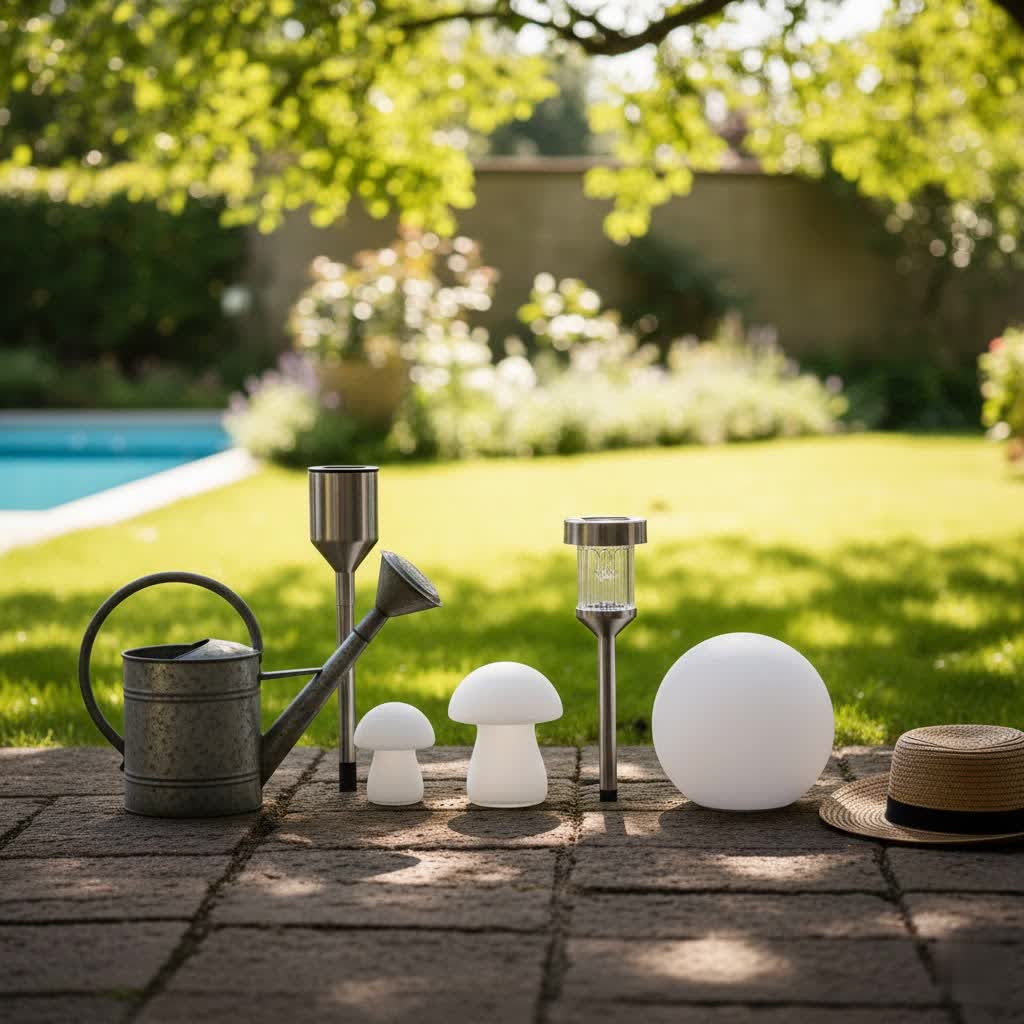
Solar Lights: An Economical and Eco-Friendly Lighting Solution
Solar lights leverage the power of the sun to provide brilliant illumination, offering a sustainable alternative to conventional outdoor lighting. They operate by converting sunlight into electricity through photovoltaic cells, storing this energy in rechargeable batteries during the day. As dusk descends, an integrated sensor automatically activates the lights, drawing power from the stored energy to illuminate your space. This innovative technology eliminates reliance on grid electricity, translating into significant cost savings on your utility bills and a reduced carbon footprint. Beyond the financial and environmental benefits, solar lights are renowned for their straightforward installation and minimal maintenance, making them an ideal choice for enhancing any outdoor area.
Popular Types of Solar Lights for Trees
When considering lighting for your trees, a variety of solar light types can achieve different aesthetic and functional goals. Each offers unique advantages, allowing you to tailor the ambiance to your specific vision.
- Solar Spotlights: These powerful lights are designed to cast a concentrated beam, ideal for highlighting architectural features or the majestic trunks and canopies of large trees. They create dramatic uplighting effects, drawing attention to specific elements of your landscape. Spotlights are often stake-mounted, offering flexibility in placement, and many come with adjustable heads and solar panels to direct both light and charging efficiency. They are excellent for security or accentuating a tree’s unique shape.
- Solar String Lights & Fairy Lights: Perfect for creating a festive or whimsical atmosphere, these lights feature numerous small LED bulbs spaced along a flexible wire. String lights are ideal for wrapping around branches, weaving through foliage, or draping between trees to create a canopy of soft, ambient light. Fairy lights offer a more delicate twinkle, while larger string lights can provide a bistro-like charm. They are purely decorative and instantly add warmth and character to your treescape.
- Solar Lanterns & Hanging Lights: These versatile lights can be hung from tree branches, providing a gentle, diffused glow that enhances outdoor seating areas or pathways beneath trees. Solar lanterns often feature attractive designs, adding a decorative element even during the day. They are excellent for creating a cozy, inviting ambiance and can be easily moved to different locations as needed.
- Solar Path Lights (Used Near Trees): While primarily designed for walkways, stake-mounted path lights can be strategically placed at the base of trees or along garden beds surrounding them. They provide low-level illumination that defines boundaries and enhances safety, subtly complementing the larger lighting scheme of the trees themselves. These lights usually offer a soft, consistent glow, rather than direct spotlighting.
|
Our Picks for the Best Solar Lights in 2026
As an Amazon Associate I earn from qualifying purchases.
|
||
| Num | Product | Action |
|---|---|---|
| 1 | Solar Motion Lights Outdoor, Ultra Bright Solar Fence Lights with Motion Sensor, IP65 Waterproof Security Light 3 Modes, 270° Lighting Angle, Wall Lights for Deck Patio Fence Garage Door (6 Packs) |

|
| 2 | [6 Packs] Solar Motion Sensor Outdoor Lights, Super Bright Solar Lights Outdoor Waterproof, 3 Lighting Modes Security Wall Light for Outside Walking Dog Fence Backyard Deck Garden Door Step Garage |
|
| 3 | addlon 54(48+6) FT Solar String Lights Waterproof,Patio Lights Solar Powered with Remote & USB Port 15+1 LED Shatterproof Bulbs 3 Light Modes, Dimmable Solar Light for Camping Backyard Garden |
|
| 4 | Solar Lantern Outdoor Waterproof, Metal Butterfly, Hummingbirds, Dragonflies, Frogs, Turtles, Flowers, Mushrooms, Garden Decor for Yard, Patio, Lawn, Porch, Backyard, Gifts for Women |
|
| 5 | NYMPHY Solar Lights Outdoor Waterproof IP68, 56 LED 3 Lighting Modes Solar Powered Garden Yard Spot Solar Lights for Outside Landscape- 4 Pack (Cool White) |
|
| 6 | Tuffenough Solar Outdoor Lights 2500LM 210 LED Security Lights with Remote Control,3 Heads Motion Sensor Lights, IP65 Waterproof,270° Wide Angle Flood Wall Lights with 3 Modes(2 Packs) |
|
| 7 | Solar Fence Lights Outdoor - 2700/4000/6000K 3 Mode, Waterproof LED, Fence Light Solar Powered for Outside, Backyard/Railing/Step/Patio/Wall and Home Improvement(8 Pack) |
|
| 8 | ALEPOD Solar Pathway Lights Outdoor - 8 Pack Solar Powered Garden Lights Waterproof IP65, Decor Landscape Lighting with Three Lighting Modes for Yard, Lawn, Walkway, Driveway, Warm White |
|
| 9 | Aootek New Solar Motion Sensor Lights 120 LEDs with Lights Reflector,270° Wide Angle, IP65 Waterproof, Step Lights for Front Door, Yard, Garage, Deck (Black, Daylight White, 6-Pack) |
|
| 10 | LETMY Solar Pathway Lights Outdoor, 10 Pack Solar Lights Outdoor Waterproof, Auto On/Off Solar Powered Garden Landscape Path Lights, Outdoor Solar Lights for Yard Lawn Patio Walkway Driveway |
|
Each type serves a distinct purpose, from subtle accentuation to broad decorative flair. Choosing the right type depends on whether you aim for dramatic highlighting, general ambiance, or a blend of both.
What to Look for in Quality Solar Lights for Trees
Selecting the right solar tree lights involves more than just aesthetics; it requires understanding key performance and durability factors. A high-quality solar light ensures reliable illumination and longevity, providing peace of mind and lasting beauty for your outdoor space.
Key Factors to Consider:
- Brightness (Lumens): Lumens measure the total amount of visible light from a source. For decorative lighting like fairy lights, 10-50 lumens per light is usually sufficient. If you aim to highlight a tree or brighten a patio area, look for 100-300 lumens. Security floodlights, if you plan to integrate them, will require 700 lumens or more for clear, crisp illumination. Matching the lumen output to your specific lighting need is crucial for both aesthetic appeal and functionality.
- Run Time: This indicates how long the light will stay illuminated on a full charge. Most quality solar lights should provide 8-12 hours of illumination after a day of charging, ensuring they last well into the night. Factors like battery capacity and the brightness setting chosen will influence the actual run time.
- IP Rating (Ingress Protection): The IP rating denotes a light’s resistance to dust and water. For outdoor solar lights, an IP65 rating is the absolute minimum, meaning the light is protected against dust ingress and low-pressure water jets from any direction. For superior durability, especially in areas prone to heavy rain or snow, look for IP67 or IP68 ratings, which indicate protection against temporary or continuous submersion in water. A higher IP rating significantly reduces the risk of water damage, a common cause of failure in lower-quality lights.
- Battery Type and Capacity: The battery is the heart of a solar light. Look for lights with high-capacity rechargeable batteries, typically Ni-MH or lithium-ion, which offer better performance and a longer lifespan (up to 5 years). The battery capacity, measured in mAh, directly influences how long your lights will shine. Some lights even offer replaceable batteries, extending the product’s overall life.
- Material and Construction: Durable materials like ABS plastic, stainless steel, or powder-coated aluminum ensure your solar lights can withstand various weather conditions. Look for sturdy construction that feels robust, as flimsy lights are often prone to breakage.
- Lighting Modes and Colors: Many solar lights offer multiple lighting modes (e.g., steady, flashing, fading) and color options (warm white, cool white, or RGB). This versatility allows you to customize the ambiance for different occasions, from a calm evening glow to a vibrant party setting.
- Warranty: A good warranty indicates the manufacturer’s confidence in their product’s quality and durability. Look for lights with at least a 12-month warranty, with longer periods being a bonus.
- Solar Panel Design: Some solar lights have integrated solar panels, while others feature a separate panel connected by a wire. Separate panels offer more flexibility, allowing you to position the light in a shaded area while placing the panel in direct sunlight for optimal charging. Larger solar panels generally capture more sunlight, leading to faster charging and longer illumination.
By focusing on these key features, you can make an informed decision and invest in solar tree lights that deliver both performance and lasting beauty.
Detailed Comparison Table
When evaluating different solar light options for your trees, a direct comparison of features can simplify your decision. While specific brand data varies greatly, here’s a generalized comparison to illustrate what to look for:
| Feature | Brand A (Premium) | Brand B (Mid-Range) | Brand C (Budget-Friendly) |
|---|---|---|---|
| Brightness | 200-500 Lumens (spot) | 80-200 Lumens (spot/path) | 10-50 Lumens (decorative) |
| Run Time | 10-15+ hours | 6-10 hours | 4-8 hours |
| Battery Type | High-Capacity Li-ion | Ni-MH / Standard Li-ion | Basic Ni-Cd / Smaller Li-ion |
| IP Rating | IP67 / IP68 | IP65 | IP44 (splash-resistant) |
| Material | Aluminum/Stainless Steel, Glass | Durable ABS Plastic, Metal Accents | Basic Plastic |
| Lighting Modes | Multiple (steady, flash, fade, color change) | 2-3 (steady, flash) | 1 (steady) |
| Warranty | 2-5 years | 1 year | 30-90 days |
| Special Features | Remote control, Motion sensor, Separate panel, Adjustable CCT | Auto On/Off, Some adjustability | Basic auto On/Off |
| Price Range | $$$ | $$ | $ |
This table provides a framework for evaluating different product tiers. Premium options often boast higher lumens, longer run times, superior weather resistance, and more advanced features. Mid-range choices strike a balance between performance and cost, while budget-friendly options are typically simpler, best suited for purely decorative purposes in less demanding environments.
Your Guide to Choosing the Right Solar Lights for Your Trees
Selecting the perfect solar tree lights requires thoughtful consideration of your specific environment and desired outcome. With so many options available, a systematic approach can help you narrow down the best fit.
- Assess Your Lighting Needs:
- Highlighting a Feature Tree: If you want to draw attention to a specific tree or its unique texture, solar spotlights with adjustable angles and higher lumen output (100-300 lumens) are your best bet. Consider warm white (2700K-3000K) for a natural, inviting glow or cool white (4000K-5000K) for a more modern, crisp look.
- Creating Ambiance: For a magical, festive, or cozy feel, solar string lights, fairy lights, or hanging lanterns are ideal. These offer lower lumen output but create widespread decorative illumination.
- Path Illumination Near Trees: If you need to light a walkway adjacent to trees for safety, solar path lights (100-200 lumens) can guide visitors without overpowering the tree’s natural beauty.
- Consider Sunlight Exposure: Solar lights require direct sunlight to charge effectively. Observe your trees throughout the day to identify spots that receive at least 6-8 hours of direct sun. If the desired lighting location is heavily shaded, look for lights with separate solar panels that can be placed in a sunnier area. Strategically prune branches if necessary to maximize solar panel exposure.
- Evaluate Weather Conditions: Choose lights with an appropriate IP rating based on your local climate. For rainy, snowy, or humid environments, an IP65 rating is essential, and IP67 or IP68 is preferable for maximum durability against water intrusion.
- Match Aesthetics with Design: Solar lights come in a vast array of styles, from modern minimalist designs to rustic lanterns and whimsical fairy lights. Consider the overall aesthetic of your home and garden when making your selection. The material (plastic, metal, glass) also contributes significantly to the look and feel.
- Battery Life and Technology: Prioritize lights with high-quality rechargeable batteries (lithium-ion recommended) to ensure consistent performance. Some advanced models offer smart features like dusk-to-dawn sensors and varying brightness modes to conserve energy.
Tips for Using and Maintaining Your Solar Tree Lights
Ensuring your solar tree lights perform optimally and last for years involves a few simple usage and maintenance practices. A little care goes a long way in preserving their efficiency and beauty.
- Optimal Installation and Placement:
- Sun Exposure is Key: Always position the solar panel in a location that receives maximum direct sunlight for 6-8 hours daily. This is paramount for a full charge and prolonged illumination at night. Avoid placing panels under dense foliage or in shaded spots.
- Clear the Path: Ensure no obstructions like tall grass, shrubs, or overhanging branches block the solar panel’s access to sunlight. Regularly prune nearby foliage that might grow to shade the panels.
- Initial Charge: Before the first use, allow your solar lights to charge for at least 8-12 hours in direct sunlight with the “on” switch activated (if applicable). This initial charge helps condition the battery.
- Routine Cleaning:
- Wipe Down Panels: Dust, dirt, pollen, and debris can accumulate on solar panels, reducing their charging efficiency. Clean the solar panels regularly (at least once every 1-3 months, more often in dusty areas) with a soft, non-abrasive cloth, soapy water, and then rinse thoroughly with clean water. Avoid harsh chemicals or abrasive brushes that could scratch the surface.
- Clean Light Covers: Similarly, keep the light covers clean to ensure maximum light output. A cloudy or dirty cover can diminish brightness.
- Battery Care:
- Inspect and Replace: Solar light batteries typically last 1-3 years before their capacity diminishes. If your lights become dimmer or stop holding a charge, it’s likely time to replace the rechargeable batteries. Look for corrosion (white powdery residue) on the battery terminals, which indicates a need for replacement. Most solar lights use standard AA or AAA rechargeable batteries.
- Winter Storage (Optional): In areas with prolonged, harsh winters and minimal sunlight, consider bringing decorative solar lights indoors. Clean them thoroughly and store them in a cool, dry place to protect the batteries and electronics.
- Troubleshooting Common Issues:
- Light Not Turning On: Check if the “on/off” switch is in the “on” position. Ensure the solar panel is clean and receiving adequate sunlight. Test with new batteries if the old ones are suspected to be faulty.
- Dim Light/Short Run Time: This usually indicates insufficient charging. Clean the solar panel, relocate it to a sunnier spot, or replace old batteries.
- Water Damage: Ensure lights have an adequate IP rating for your climate. Check for cracks or loose seals if water appears inside the fixture.
By following these simple guidelines, you can significantly extend the life and enhance the performance of your solar tree lights, allowing them to provide reliable illumination season after season.
The Abundant Benefits of Solar Tree Lighting
Embracing solar tree lights goes beyond merely illuminating your garden; it’s an investment in beauty, sustainability, and convenience. The advantages are numerous and compelling, making them a preferred choice for modern outdoor spaces.
- Significant Cost Savings: The most immediate benefit is the elimination of electricity bills associated with outdoor lighting. Once installed, solar lights operate virtually free, leveraging the sun’s energy without adding to your monthly expenses.
- Environmentally Friendly: As a renewable energy source, solar power produces zero greenhouse gas emissions during operation, significantly reducing your carbon footprint. Choosing solar lighting is a positive step towards a greener, more sustainable lifestyle.
- Effortless Installation: Unlike wired lighting systems that require complex trenching, wiring, and often professional electricians, solar lights are incredibly easy to install. Most simply stake into the ground, clip onto branches, or hang from hooks, making DIY setup quick and straightforward.
- Unparalleled Versatility: Without the need for electrical outlets, solar lights offer incredible flexibility in placement. You can illuminate remote areas of your garden, highlight specific trees, or create dynamic lighting designs that would be impractical or impossible with wired alternatives.
- Low Maintenance Requirements: Modern solar lights are designed for durability and minimal upkeep. With occasional cleaning of panels and periodic battery checks, they generally function reliably for years, freeing you from constant adjustments or repairs.
- Enhanced Safety and Security: Strategically placed solar lights can illuminate pathways, deter intruders, and highlight potential tripping hazards, increasing the safety and security of your outdoor property. Motion-sensing solar spotlights are particularly effective for this purpose.
- Elevated Aesthetic Appeal: From creating a magical, whimsical glow with string lights to dramatic uplighting of majestic trees, solar tree lights add undeniable charm and sophistication to any landscape, enhancing curb appeal and creating a welcoming ambiance.
- Automatic Operation: Most solar lights feature built-in light sensors that automatically turn them on at dusk and off at dawn, offering convenient, hands-free operation without the need for timers or manual switches.
Investing in solar tree lights is a smart decision that combines environmental responsibility with practical benefits, elevating your outdoor living experience.
Buying Guide: Making the Right Investment
Navigating the market for solar tree lights can be overwhelming, but by considering your budget, specific needs, and reputable brands, you can make an informed choice that brings lasting satisfaction.
- Budget Considerations:
- Entry-Level (Under $30-50 per set): These lights are typically made of basic plastic, offer lower lumen output, and have shorter run times. They are best for purely decorative accents in areas with excellent sun exposure and minimal weather demands. Expect simpler designs and shorter warranties.
- Mid-Range ($50-150 per set): This segment offers a good balance of quality and affordability. You’ll find more durable materials (some metal, better plastics), improved brightness, longer run times, and often an IP65 rating. These are suitable for general accent lighting and light highlighting.
- High-End (Over $150+ per set): Premium solar lights boast superior build quality (aluminum, stainless steel, glass), high lumens, extended run times (10-15+ hours), advanced features (remote control, motion sensors, multiple modes, adjustable color temperatures), and higher IP ratings (IP67/68). They are ideal for significant landscape lighting, security, and long-term performance in challenging conditions.
- Matching Lights to Your Usage Needs:
- Decorative Flair: For a charming, ethereal glow in your garden or around patio trees, solar fairy lights, string lights, or decorative lanterns are perfect. Focus on aesthetics and ambient output.
- Spotlighting & Highlighting: To showcase the unique features of a tree, such as its trunk, bark texture, or canopy shape, opt for powerful solar spotlights. Look for adjustable heads and higher lumen output.
- Safety & Path Illumination: If the primary goal is to light paths or provide security around trees, choose sturdy solar path lights or motion-sensing spotlights. Prioritize brightness, durability, and reliable automatic operation.
- Year-Round Performance: If you need lights to perform consistently through all seasons, invest in models with higher IP ratings, robust construction, and high-capacity batteries that can handle colder temperatures or shorter daylight hours.
- Identifying Reputable Brands:
- Look for Transparency: Good brands are transparent about their product specifications, including lumens, IP rating, battery type, and run time. Be wary of vague descriptions.
- Read Reviews: Customer reviews offer valuable insights into real-world performance and durability. Pay attention to comments regarding battery life, weather resistance, and customer service.
- Warranty Support: A strong warranty (1 year minimum, preferably longer) is a hallmark of a brand that stands behind its products.
- Specialization: Some brands specialize in certain types of solar lighting (e.g., decorative string lights vs. heavy-duty spotlights), which might indicate expertise in those areas.
By aligning your budget with your specific lighting needs and choosing products from reputable sources, you can confidently select solar tree lights that will enhance your outdoor space for years to come.
“The true magic of solar tree lights lies in their ability to blend seamlessly with nature, offering illumination that feels organic and effortless, transforming a simple garden into an immersive experience after dark.”
Conclusion
Solar tree lights offer a compelling blend of aesthetic charm, practical functionality, and environmental responsibility, making them an excellent addition to any outdoor setting. From dramatic spotlights that highlight the grandeur of a mature tree to delicate string lights that weave a tapestry of twinkling stars, these innovative lighting solutions provide versatility without the complexities of traditional wiring. By carefully considering factors such as light type, brightness, durability, and optimal placement, you can create a captivating outdoor sanctuary that is both sustainable and effortlessly beautiful.
Are you ready to unlock the full potential of your garden and transform your trees into beacons of light and warmth?
Frequently Asked Questions
How long do solar tree lights typically last on a full charge?
Most quality solar tree lights, especially those designed for outdoor use with good batteries, can last anywhere from 8 to 12 hours on a full charge. This usually requires 6-8 hours of direct sunlight for optimal charging. Factors like battery age, ambient temperature, and selected brightness mode can influence the actual run time.
Can solar tree lights work on cloudy days or in shaded areas?
While solar tree lights require direct sunlight for optimal charging, many models can still gather some energy on cloudy days. For heavily shaded areas, consider lights with separate solar panels that can be positioned in a sunnier spot, connected by a wire to the light fixture itself.
What IP rating should I look for in solar tree lights for durability?
For outdoor solar tree lights, an IP65 rating is the minimum recommended, offering protection against dust and water jets. If you live in an area with heavy rain, snow, or want superior durability, look for an IP67 or IP68 rating, which indicates resistance to temporary or continuous submersion in water.
How bright should my solar tree lights be?
The ideal brightness (lumens) depends on your purpose. For subtle decorative effects like fairy lights, 10-50 lumens per light is sufficient. To highlight a specific tree or create ambient lighting around its base, 100-300 lumens for spotlights or path lights is often recommended.
How often do I need to clean and maintain solar tree lights?
Regular cleaning of solar panels every 1-3 months (more often in dusty environments) with soapy water and a soft cloth is crucial to maintain charging efficiency. Additionally, inspect batteries and connections annually, and replace batteries every 1-3 years as needed. Pruning nearby foliage to prevent shading is also a good practice.
