Imagine stepping into your garden after dusk, not fumbling in the dark, but being guided by a soft, inviting glow that effortlessly highlights your prized hydrangeas, illuminates your pathways, and enhances your home’s security. This vision is not only attainable but also sustainable and cost-effective, thanks to solar-powered landscape lights. These innovative fixtures harness the sun’s energy, transforming your outdoor spaces into beautifully lit havens without adding a cent to your electricity bill. As an experienced technician who has witnessed the evolution of solar lighting over a decade, I’m here to share insights that will help you confidently choose the perfect solar solutions for your unique needs, ensuring both beauty and functionality in your outdoor environment.
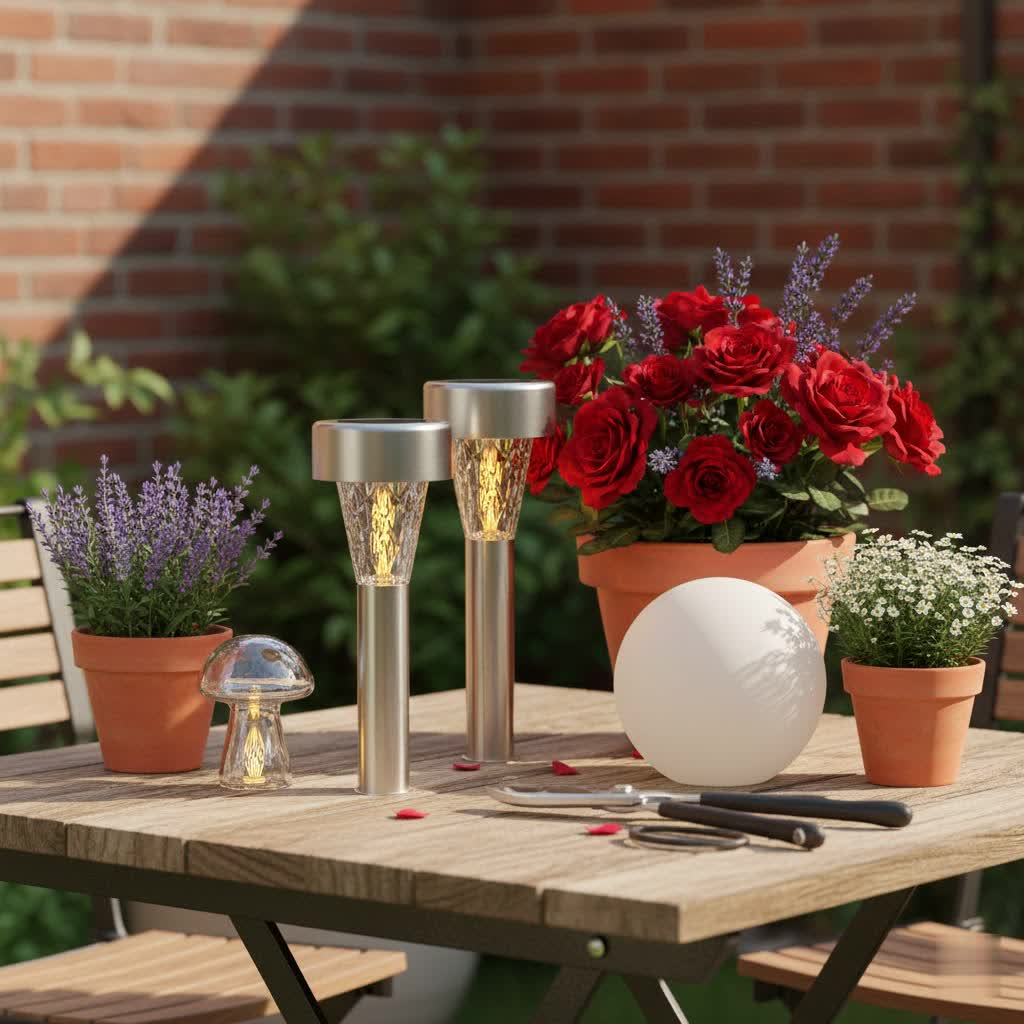
Solar Landscape Lights – Your Eco-Friendly and Cost-Saving Illumination Solution
Solar landscape lights are more than just a lighting trend; they represent a smart, environmentally conscious choice for enhancing any outdoor area. By converting sunlight into electricity, these lights operate independently of your home’s power grid, offering unparalleled flexibility in placement and significant savings on energy costs. Their ability to deliver light without requiring complex wiring or ongoing energy consumption makes them an ideal solution for homeowners and businesses alike, looking to blend aesthetic appeal with practical, sustainable technology.
Popular Types of Solar Landscape Lights
The versatility of solar technology has led to a wide array of landscape lighting options, each designed for specific applications and aesthetic preferences. Understanding these types is the first step in creating your ideal outdoor illumination scheme.
- Solar Pathway Lights: These are arguably the most common type, designed to line walkways, driveways, and garden paths. They typically feature a stake for easy ground installation and provide a gentle, guiding light.
- Pros: Easy to install, enhance safety, widely available in various styles.
- Cons: May offer lower brightness, can be susceptible to damage from lawnmowers if not placed carefully.
- Applications: Guiding visitors, enhancing curb appeal, defining borders.
- Solar Spotlights: Offering a focused beam of light, spotlights are perfect for accentuating specific features in your landscape, such as trees, statues, architectural elements, or garden beds. Many come with adjustable heads and solar panels.
- Pros: High brightness options, directable light, can create dramatic effects.
- Cons: Can be more expensive, requires precise aiming for optimal effect.
- Applications: Highlighting focal points, up-lighting trees, security.
- Solar Floodlights: Designed to cast a wide, powerful beam, floodlights are excellent for illuminating larger areas like backyards, patios, or security zones. Many models include motion sensors for added safety and energy efficiency.
- Pros: Excellent for security, illuminates large areas, often very bright.
- Cons: Can sometimes be too bright for purely aesthetic purposes, bulkier designs.
- Applications: Security lighting, illuminating gathering spaces, general area lighting.
- Solar Deck and Fence Lights: These compact fixtures are specifically designed to be mounted on railings, steps, or fence posts. They provide subtle illumination, improving safety and ambiance in outdoor living areas.
- Pros: Improve safety on stairs and decks, neat and unobtrusive.
- Cons: Lower light output, primarily accent lighting.
- Applications: Lighting steps, deck perimeters, fence lines.
- Solar In-Ground Lights: These lights are flush with the ground, providing subtle illumination without protruding fixtures. They are commonly used along pathways, driveways, or embedded in garden beds for a sleek, low-profile look.
- Pros: Discreet, durable (often designed to be driven over), provide a modern aesthetic.
- Cons: Can collect debris on the solar panel, lower light distribution.
- Applications: Defining driveways, subtle pathway lighting, garden bed accents.
- Solar String Lights and Lanterns: Primarily decorative, these add a festive or romantic ambiance to pergolas, patios, or trees. Solar lanterns can be hung or placed on tables, offering a charming glow.
- Pros: Create ambiance, highly versatile for decoration, available in many styles.
- Cons: Lower functional brightness, often for aesthetic purposes only.
- Applications: Outdoor dining areas, party lighting, decorative accents.
|
Our Picks for the Best Solar Lights in 2026
As an Amazon Associate I earn from qualifying purchases.
|
||
| Num | Product | Action |
|---|---|---|
| 1 | ALEPOD Solar Pathway Lights Outdoor - 8 Pack Solar Powered Garden Lights Waterproof IP65, Decor Landscape Lighting with Three Lighting Modes for Yard, Lawn, Walkway, Driveway, Warm White |

|
| 2 | Solar Motion Lights Outdoor, Ultra Bright Solar Fence Lights with Motion Sensor, IP65 Waterproof Security Light 3 Modes, 270° Lighting Angle, Wall Lights for Deck Patio Fence Garage Door (6 Packs) |
|
| 3 | Aootek New Solar Motion Sensor Lights 120 LEDs with Lights Reflector,270° Wide Angle, IP65 Waterproof, Step Lights for Front Door, Yard, Garage, Deck (Black, Daylight White, 6-Pack) |
|
| 4 | NYMPHY Solar Lights Outdoor Waterproof IP68, 56 LED 3 Lighting Modes Solar Powered Garden Yard Spot Solar Lights for Outside Landscape- 4 Pack (Cool White) |
|
| 5 | Solar Fence Lights Outdoor - 2700/4000/6000K 3 Mode, Waterproof LED, Fence Light Solar Powered for Outside, Backyard/Railing/Step/Patio/Wall and Home Improvement(8 Pack) |
|
| 6 | addlon 54(48+6) FT Solar String Lights Waterproof,Patio Lights Solar Powered with Remote & USB Port 15+1 LED Shatterproof Bulbs 3 Light Modes, Dimmable Solar Light for Camping Backyard Garden |
|
| 7 | Tuffenough Solar Outdoor Lights 2500LM 210 LED Security Lights with Remote Control,3 Heads Motion Sensor Lights, IP65 Waterproof,270° Wide Angle Flood Wall Lights with 3 Modes(2 Packs) |
|
| 8 | [6 Packs] Solar Motion Sensor Outdoor Lights, Super Bright Solar Lights Outdoor Waterproof, 3 Lighting Modes Security Wall Light for Outside Walking Dog Fence Backyard Deck Garden Door Step Garage |
|
| 9 | Solar Lantern Outdoor Waterproof, Metal Butterfly, Hummingbirds, Dragonflies, Frogs, Turtles, Flowers, Mushrooms, Garden Decor for Yard, Patio, Lawn, Porch, Backyard, Gifts for Women |
|
| 10 | LETMY Solar Pathway Lights Outdoor, 10 Pack Solar Lights Outdoor Waterproof, Auto On/Off Solar Powered Garden Landscape Path Lights, Outdoor Solar Lights for Yard Lawn Patio Walkway Driveway |
|
Comparing Leading Solar Landscape Light Features
When selecting solar landscape lights, it’s not just about brand names but rather the underlying quality and performance attributes that define a superior product. Focus on these key characteristics to make an informed decision.
Leading solar light products prioritize quality and durability, often utilizing robust materials such as cast aluminum, stainless steel, or high-grade, weather-resistant plastics. These materials ensure longevity and resilience against harsh outdoor elements, unlike cheaper alternatives prone to rapid degradation. In terms of performance, the best lights offer higher lumen outputs, extended battery runtimes, and more efficient solar panels, often featuring monocrystalline technology for superior energy conversion. Additionally, advanced features like sensitive motion sensors, adjustable brightness settings, and selectable color temperatures (warm white to bright white) distinguish premium products, allowing for greater customization and functionality. Finally, always look for products backed by a comprehensive warranty and responsive customer support, signaling a manufacturer’s confidence in their product’s reliability and commitment to user satisfaction.
Detailed Comparison of Solar Light Tiers
| Feature | Budget-Friendly Lights | Mid-Range Lights | Premium Lights |
|---|---|---|---|
| Brightness (Lumens) | 10-50 | 80-150 | 200-800+ |
| Runtime (full charge) | 4-6 hours | 6-10 hours | 8-12+ hours |
| Battery Life (Avg.) | 1-2 years | 2-3 years | 3-5+ years |
| Weatherproofing (IP Rating) | IP44-IP55 | IP65-IP66 | IP67-IP68 |
| Typical Price Range | $5-$20 per light | $20-$50 per light | $50-$200+ per light |
| Warranty | 6 months – 1 year | 1-2 years | 2-5+ years |
| Material | Plastic, thin metal | Aluminum, stainless steel | Cast aluminum, brass, high-grade composites |
| Solar Panel Type | Amorphous/Polycrystalline | Polycrystalline/Monocrystalline | Monocrystalline (high efficiency) |
| Key Features | Basic on/off | Dusk-to-dawn, some modes | Motion sensors, adjustable brightness/color, remote panels |
How to Choose the Right Solar Landscape Lights
Choosing the perfect solar landscape lights involves a thoughtful assessment of your needs and the specific characteristics of your outdoor space. It’s crucial to consider several factors to ensure your investment delivers both aesthetic pleasure and practical functionality.
First and foremost, identify the brightness (lumens) and purpose of the light. Are you seeking a subtle ambient glow for your garden, a clearly illuminated pathway for safety, or a powerful spotlight to deter intruders? Low lumens (10-45) are ideal for accent lighting, while mid-range (80-150) suits general pathway illumination, and high lumens (200-800+) are essential for security and floodlighting. Next, evaluate battery capacity and runtime; a good solar light should provide 6-12 hours of illumination on a full charge, ensuring consistent light throughout the night.
The solar panel efficiency plays a significant role in charging performance. Look for monocrystalline panels, known for their higher conversion rates (some reaching 26%), which mean faster charging even on partially cloudy days. Durability and weather resistance are also paramount; lights with an IP (Ingress Protection) rating of IP65 or higher offer robust protection against dust and water, ensuring long-term reliability in varying climates. Finally, critically assess the installation location. Solar lights require at least 6-8 hours of direct sunlight daily to charge optimally. Observe your yard throughout the day to identify prime spots, avoiding areas perpetually in shade. Considering these elements will help you select lights that perfectly blend with your landscape’s design and meet your functional requirements.
Tips for Using and Maintaining Your Solar Landscape Lights
Maximizing the lifespan and performance of your solar landscape lights requires minimal but consistent attention. Proper usage and maintenance ensure they continue to beautify and secure your outdoor areas for years to come.
For optimal placement, always ensure your solar panels receive unobstructed direct sunlight for 6-8 hours daily. This might mean adjusting their position seasonally as the sun’s angle changes or trimming back any encroaching foliage that could cast shadows. Upon initial installation, allow your lights a full 8-hour charge in direct sunlight before their first night of use to ensure the battery is fully primed.
Regular cleaning of the solar panels is essential. Dust, dirt, pollen, and bird droppings can significantly reduce charging efficiency. A simple wipe-down with a damp cloth or a rinse with a garden hose can restore optimal performance. The rechargeable batteries are typically the first component to degrade in solar lights; most last 2-3 years. If your light begins to dim or has a shorter runtime, it’s likely time for a battery replacement. Always check if batteries are replaceable before purchasing, as this can extend the life of your fixture considerably. For troubleshooting common issues like lights not turning on or appearing dim, first check for obstructions on the solar panel, ensure sufficient charging time, and verify the battery’s condition. By following these simple tips, you’ll ensure your solar landscape lights remain a reliable and dazzling feature of your outdoor space.
The Undeniable Benefits of Solar Landscape Lighting
Embracing solar landscape lighting offers a compelling array of advantages that extend beyond mere illumination, contributing to your wallet, the environment, and your peace of mind.
The most immediate benefit is the significant energy and cost savings. Since solar lights are powered entirely by the sun, they require no electricity from the grid, resulting in zero operating costs after the initial purchase. This eliminates wiring expenses and any increase in your electricity bill, making them an incredibly budget-friendly long-term investment. Beyond financial incentives, solar lighting is an inherently environmental friendly choice. By utilizing a renewable energy source, these lights help reduce reliance on fossil fuels, lower greenhouse gas emissions, and minimize your carbon footprint, contributing to a healthier planet.
The effortless installation and flexibility are also major draws. Without the need for complex electrical wiring or outlets, solar lights can be installed virtually anywhere in your yard that receives adequate sunlight. This allows for creative and dynamic lighting designs that can be easily adjusted or repositioned as your landscaping evolves. Furthermore, solar lights significantly enhance safety and security around your property. Well-lit pathways prevent trips and falls, while bright spotlights, especially those with motion sensors, can deter potential intruders, creating a safer environment for your family and guests. Crucially, as they operate independently, they continue to provide light even during power outages, offering an extra layer of security. Lastly, the aesthetic enhancement they bring is undeniable. Solar lights create a welcoming ambiance, highlight architectural features, and accentuate garden elements, dramatically boosting your home’s curb appeal and transforming your outdoor space into an inviting oasis after dark.
Buying Guide: Making Your Smart Investment
Navigating the market for solar landscape lights can feel overwhelming, but by aligning your budget and specific needs with product features, you can make a smart, informed investment.
Consider your budget expectations carefully.
- Entry-Level (Budget-Friendly): These lights are typically under $20 per unit and are great for small accent lighting or temporary setups. While affordable, they might offer lower brightness, shorter runtimes, and less durable materials (often plastic). They are a good starting point for those new to solar lighting.
- Mid-Range (Value-Driven): Priced between $20-$50 per light, this segment offers a balance of quality, performance, and features. You’ll find better materials like aluminum or stainless steel, improved brightness, and longer-lasting batteries. These are ideal for homeowners seeking reliable everyday illumination without a premium price tag.
- High-End (Premium Performance): Ranging from $50 to over $200 per light, these are for those seeking top-tier performance, advanced features, and exceptional durability. Expect superior brightness (up to 800+ lumens), extended runtimes, robust weatherproofing (IP67/IP68), and high-efficiency monocrystalline solar panels, often with sophisticated controls like adjustable color temperatures or remote solar panels.
Next, define your usage needs.
- For illuminating pathways or garden beds, subtle pathway lights or in-ground lights providing 50-150 lumens are perfect for guidance and ambiance.
- For security lighting, high-lumen spotlights or floodlights (200+ lumens) with motion sensors are essential for effective deterrence and visibility.
- To highlight architectural features or specific plants, adjustable spotlights allow you to direct light precisely where it’s needed, creating dramatic effects.
- For creating an inviting atmosphere for entertaining, consider string lights or decorative lanterns to add warmth and charm to patios and pergolas.
Finally, prioritize reputable brands that are known for quality components, robust construction, and reliable customer support. Look for brands that clearly state lumen output, IP ratings, battery type (preferably replaceable), and warranty periods. Investing a little more upfront in a trusted brand often translates to superior performance, greater durability, and a longer lifespan for your solar landscape lights.
Conclusion
Solar-powered landscape lights offer an unparalleled blend of convenience, sustainability, and aesthetic appeal, making them an excellent investment for any outdoor space. From illuminating winding pathways and enhancing security with powerful floodlights to creating enchanting ambiance with decorative lanterns, these versatile fixtures transform your yard into a vibrant, functional extension of your home. By understanding the diverse types available, prioritizing key features like brightness and weather resistance, and committing to simple maintenance, you can ensure your solar lights perform optimally for years. Embrace the future of outdoor lighting and unlock the numerous benefits that solar technology brings to your landscape. What luminous possibilities will you unlock in your own backyard?
Frequently Asked Questions
How long do solar landscape lights typically last?
While the LED bulbs and solar panels can last for decades, the rechargeable batteries in solar landscape lights typically need replacing every 2-3 years. Choosing models with easily replaceable batteries will significantly extend the overall lifespan of your fixtures.
Do solar lights need direct sunlight to charge?
Yes, for optimal performance, most solar landscape lights require at least 6-8 hours of direct sunlight daily to fully charge their batteries. While they may charge partially on cloudy days, consistent direct sun ensures maximum brightness and runtime.
Can solar lights work on cloudy days?
Solar lights can still charge on cloudy days, but less efficiently. The amount of charge they receive will be lower, potentially resulting in a dimmer light or a shorter illumination period at night. High-efficiency monocrystalline panels perform best under such conditions.
How many lumens are ideal for solar pathway lights?
For solar pathway lights, an ideal brightness generally ranges from 80 to 150 lumens. This provides sufficient illumination to guide visitors and enhance safety without being overly bright or distracting. Decorative accent lights may be lower (10-45 lumens).
Are the batteries in solar landscape lights replaceable?
Many solar landscape lights feature replaceable batteries, typically NiMH or Li-ion. It’s crucial to check the product specifications for this feature, as replacing the battery is often the most effective way to restore performance when a light starts to dim.
How often should I clean my solar light panels?
You should clean your solar light panels whenever you notice a buildup of dust, dirt, pollen, or debris, or if the light’s performance begins to diminish. A simple wipe-down with a damp cloth or a rinse with a garden hose is usually sufficient.
