Imagine a world where reliable, bright outdoor lighting comes without the burden of electricity bills or environmental guilt. For over a decade, solar-powered street lights have been transforming this vision into reality, evolving from nascent technology to a sophisticated, sustainable lighting solution. As an administrator deeply involved with outdoor lighting innovations, I’ve seen firsthand the remarkable advancements and the tangible benefits these systems bring. This guide is designed to cut through the complexity, offering you clear insights and practical advice to navigate the world of solar street lights and choose the perfect illumination for your needs.
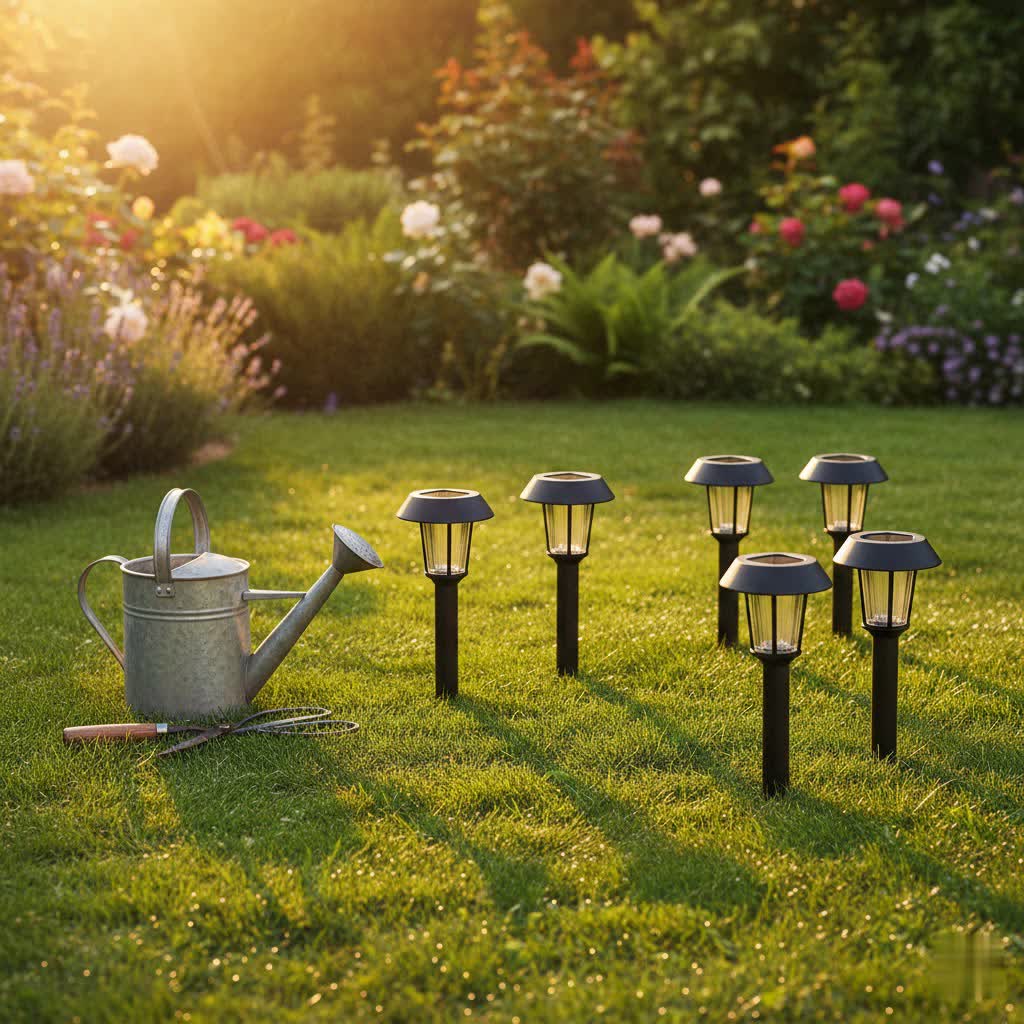
Solar Powered Street Lights: The Bright Future of Sustainable Lighting
Solar-powered street lights are self-contained systems that harness the sun’s energy during the day to provide illumination at night. They are composed of a solar panel, LED lamp, rechargeable battery, and a smart charge controller, all working in harmony to deliver consistent, off-grid lighting. Their independence from the traditional power grid makes them exceptionally versatile, suitable for everything from remote rural pathways to bustling urban centers.
Popular Types of Solar Powered Street Lights
The architecture of solar street lights typically falls into two main categories, each with distinct advantages and ideal applications:
- Integrated (All-in-One) Solar Street Lights: These units combine the solar panel, LED light, battery, and controller into a single compact fixture. This design simplifies installation significantly, often requiring just a single mounting onto a pole. They are aesthetically sleek and ideal for projects prioritizing quick deployment and a streamlined appearance. However, their integrated nature can sometimes limit the angle adjustment of the solar panel, potentially affecting energy capture in regions with varied sun angles. Individual component replacement can also be more complex.
- Split (Separate) Solar Street Lights: In contrast, split systems feature individual components—a separate solar panel, battery box, and LED lamp head. This configuration allows for greater flexibility in panel positioning, enabling optimal tilt and orientation to maximize sun exposure. While installation may be slightly more involved due to separate wiring between components, split systems often offer easier maintenance and component replacement. They are frequently chosen for larger-scale projects or in areas where maximizing solar efficiency is paramount.
|
Our Picks for the Best Solar Lights in 2026
As an Amazon Associate I earn from qualifying purchases.
|
||
| Num | Product | Action |
|---|---|---|
| 1 | addlon 54(48+6) FT Solar String Lights Waterproof,Patio Lights Solar Powered with Remote & USB Port 15+1 LED Shatterproof Bulbs 3 Light Modes, Dimmable Solar Light for Camping Backyard Garden |

|
| 2 | LETMY Solar Pathway Lights Outdoor, 10 Pack Solar Lights Outdoor Waterproof, Auto On/Off Solar Powered Garden Landscape Path Lights, Outdoor Solar Lights for Yard Lawn Patio Walkway Driveway |
|
| 3 | Solar Fence Lights Outdoor - 2700/4000/6000K 3 Mode, Waterproof LED, Fence Light Solar Powered for Outside, Backyard/Railing/Step/Patio/Wall and Home Improvement(8 Pack) |
|
| 4 | Solar Motion Lights Outdoor, Ultra Bright Solar Fence Lights with Motion Sensor, IP65 Waterproof Security Light 3 Modes, 270° Lighting Angle, Wall Lights for Deck Patio Fence Garage Door (6 Packs) |
|
| 5 | Aootek New Solar Motion Sensor Lights 120 LEDs with Lights Reflector,270° Wide Angle, IP65 Waterproof, Step Lights for Front Door, Yard, Garage, Deck (Black, Daylight White, 6-Pack) |
|
| 6 | Solar Lantern Outdoor Waterproof, Metal Butterfly, Hummingbirds, Dragonflies, Frogs, Turtles, Flowers, Mushrooms, Garden Decor for Yard, Patio, Lawn, Porch, Backyard, Gifts for Women |
|
| 7 | Tuffenough Solar Outdoor Lights 2500LM 210 LED Security Lights with Remote Control,3 Heads Motion Sensor Lights, IP65 Waterproof,270° Wide Angle Flood Wall Lights with 3 Modes(2 Packs) |
|
| 8 | NYMPHY Solar Lights Outdoor Waterproof IP68, 56 LED 3 Lighting Modes Solar Powered Garden Yard Spot Solar Lights for Outside Landscape- 4 Pack (Cool White) |
|
| 9 | ALEPOD Solar Pathway Lights Outdoor - 8 Pack Solar Powered Garden Lights Waterproof IP65, Decor Landscape Lighting with Three Lighting Modes for Yard, Lawn, Walkway, Driveway, Warm White |
|
| 10 | [6 Packs] Solar Motion Sensor Outdoor Lights, Super Bright Solar Lights Outdoor Waterproof, 3 Lighting Modes Security Wall Light for Outside Walking Dog Fence Backyard Deck Garden Door Step Garage |
|
The choice between integrated and split systems often hinges on balancing ease of installation against long-term performance optimization and maintenance flexibility. Both types, when properly selected and installed, provide reliable, energy-efficient illumination.
Comparing Leading Solar Street Light Brands
The market for solar street lights has expanded significantly, with numerous brands offering a wide range of products. While I won’t name specific brands here to avoid bias, reputable manufacturers typically excel in several key areas: high-efficiency solar panels, durable and long-lasting lithium-ion (LiFePO4) batteries, bright and energy-efficient LED luminaires, and intelligent charge controllers that manage power flow effectively. They often provide robust weather-resistant designs with high IP (Ingress Protection) ratings (e.g., IP65 or IP67), ensuring longevity in diverse environmental conditions. A strong warranty and responsive customer support are also hallmarks of trusted brands.
Detailed Comparison Table
| Feature | Brand A (Example – Integrated) | Brand B (Example – Split) | Brand C (Example – High Performance Integrated) |
|---|---|---|---|
| Brightness (Lumens) | 5,000 – 8,000 lm | 8,000 – 15,000 lm | 12,000 – 20,000+ lm |
| Lighting Duration | 10-12 hours (full power) | 12-14+ hours (full power) | 12+ hours (full power, often with dimming) |
| Battery Life | 3-5 years (LiFePO4) | 5-7+ years (LiFePO4) | 7-10+ years (Premium LiFePO4) |
| Waterproof (IP) | IP65 | IP66 | IP67 |
| Price Range | Mid-range | Mid-to-High range | High-end |
| Warranty | 2-3 years | 3-5 years | 5+ years |
| Key Features | Easy install, compact | Optimized panel angle, modular | Advanced smart controls, superior durability |
Note: The values in this table are illustrative and represent general characteristics often found in different product tiers, not specific brand specifications.
How to Choose the Right Solar Powered Street Lights
Selecting the appropriate solar street light requires careful consideration of several factors to ensure optimal performance and longevity for your specific application.
- Brightness (Lumens) and Coverage: The desired luminosity, measured in lumens, dictates the effective lighting area. For residential pathways, fewer lumens might suffice, while public streets or parking lots demand higher outputs. Consider the beam angle and light distribution pattern to ensure even illumination without dark spots.
- Lighting Duration and Battery Capacity: The battery is the heart of any solar light system. Its capacity, typically measured in Amp-hours (Ah), determines how long the light can operate on a full charge, especially during cloudy days or longer nights. Look for systems that promise at least 2-3 nights of autonomy without direct sunlight. Lithium Iron Phosphate (LiFePO4) batteries are generally preferred for their longer lifespan and performance stability.
- Solar Panel Efficiency: A high-efficiency solar panel is crucial for converting maximum sunlight into electricity, even in less-than-ideal conditions. The panel’s wattage should be adequately sized to recharge the battery fully within a typical day of sunlight in your region.
- Durability and IP Rating: Outdoor lighting is exposed to the elements. An Ingress Protection (IP) rating of IP65 or higher is essential for protection against dust and water. Look for robust construction materials like die-cast aluminum, which offer corrosion resistance and efficient heat dissipation, extending the life of LED components.
- Smart Features: Many modern solar street lights include intelligent features such as dusk-to-dawn sensors (automatic activation), motion sensors (to increase brightness when movement is detected), and programmable dimming schedules. These features conserve energy and enhance security.
- Environmental Conditions: The amount of daily peak sunlight hours in your location directly impacts system performance. Areas with less sun may require larger solar panels or batteries.
- Calculating Quantity: To determine the number of lights needed, consider the desired average illuminance (lux) for the area, the light distribution of the chosen fixture, and the pole height and spacing. Consulting a lighting design expert can ensure optimal coverage and minimize over-lighting or under-lighting.
Choosing a light that matches your environmental conditions and specific illumination needs is critical for long-term satisfaction.
Tips for Using and Maintaining Solar Powered Street Lights
Proper installation and regular maintenance are key to maximizing the lifespan and efficiency of your solar-powered street lights.
- Correct Installation: Ensure the solar panel is positioned to receive maximum direct sunlight throughout the day, ideally facing the equator. Avoid obstructions like trees or buildings that could cast shadows. Mount the light at the recommended height to achieve the intended coverage. Secure all connections and ensure the pole is stable and robust enough to support the fixture.
- Regular Cleaning: Solar panels can accumulate dust, dirt, bird droppings, or leaves, which significantly reduce their efficiency. Clean the solar panel surface every 1-6 months, depending on local conditions, using a soft cloth or sponge and mild soapy water. Avoid abrasive materials that could scratch the panel.
- Battery Care: While lithium batteries are low-maintenance, it’s good practice to inspect battery compartments for any signs of corrosion or leaks annually. If using lead-acid batteries, check electrolyte levels and clean terminals as needed. Batteries typically have a lifespan of 3-7 years and will eventually require replacement; monitoring performance can help you anticipate this.
- Wiring and Connections: Periodically inspect all wiring and connections for any signs of wear, fraying, looseness, or corrosion. Damaged wiring can lead to system malfunctions.
- Troubleshooting Common Issues:
- Light not turning on: Check if the solar panel is clean and receiving adequate sunlight. Ensure the battery is charged. Inspect wiring connections.
- Light is dim or short-lived: This often indicates insufficient charging or a weakening battery. Clean the panel, check its angle, and consider battery replacement if it’s old.
- Motion sensor not working: Ensure the sensor lens is clean and unobstructed. Verify settings on the controller.
- Seasonal Adjustments: In regions with changing seasons, consider adjusting the solar panel’s tilt angle to optimize sun exposure during winter months when the sun’s path is lower. In snowy areas, clear snow and ice from panels regularly.
“Consistent maintenance, though seemingly minor, is the backbone of solar street light longevity. A few minutes of cleaning can add years to a system’s life and ensure uninterrupted performance.” – Dr. Elena Petrova, Renewable Energy Systems Engineer
The Unmistakable Benefits of Embracing Solar Street Lights
The transition to solar-powered street lights offers a multitude of advantages that extend beyond mere illumination:
- Significant Cost Savings: The most immediate benefit is the elimination of electricity bills. Once installed, the operating costs are virtually zero. This also includes savings from not needing extensive trenching and cabling associated with traditional grid-tied lighting, reducing initial infrastructure expenses.
- Environmental Stewardship: By relying on a clean, renewable energy source, solar street lights drastically reduce carbon emissions and decrease dependence on fossil fuels. They contribute directly to a cleaner environment and help communities achieve sustainability goals. Many systems also feature smart dimming, minimizing light pollution.
- Enhanced Safety and Security: Consistent, reliable lighting improves visibility for pedestrians and drivers, reducing accident risks. The presence of well-lit streets and public spaces can also deter criminal activity, fostering a greater sense of security within communities. Their independence from the grid ensures illumination even during power outages.
- Ease of Deployment: Without the need for complex trenching or grid connections, solar street lights are much faster and simpler to install, making them ideal for remote locations or areas where traditional electrical infrastructure is costly or impractical.
- Increased Aesthetics and Modernity: Modern solar street lights come in a variety of sleek, contemporary designs that can enhance the visual appeal of urban landscapes, parks, and residential areas, contributing to a modern and forward-thinking image.
Buying Guide: Investing in Your Solar Lighting Solution
Making an informed investment in solar street lights requires a clear understanding of your budget and specific application needs.
- Budgetary Considerations:
- Entry-Level: These lights offer basic functionality and are suitable for small residential pathways or decorative purposes. They prioritize affordability but may have lower lumen output, shorter battery life, or less robust construction.
- Mid-Range: A popular choice balancing cost and performance, these lights are well-suited for larger residential areas, small commercial parking lots, or community parks. They offer better brightness, longer autonomy, and more durable components.
- Premium/High-End: Designed for demanding applications such as main roads, highways, or large commercial complexes, these systems feature high-efficiency components, advanced smart controls, superior brightness, extended battery life, and maximum durability, reflecting a higher initial investment but promising longer-term reliability and performance.
- Application Needs:
- Garden/Pathway Lighting: Focus on aesthetics, adequate ambient light, and potentially motion-sensing features for convenience and security.
- Residential Street/Road Lighting: Prioritize consistent brightness, sufficient coverage, and reliable all-night operation.
- Commercial/Industrial Security Lighting: Demand high lumen output, robust construction, advanced motion sensing, and reliable performance in challenging conditions.
- Reputable Brands: When choosing, look for manufacturers with a proven track record, positive customer reviews, clear product specifications, and strong after-sales support and warranty policies. These criteria are often more important than just the lowest price, as they ensure a reliable, long-lasting solution.
Conclusion
Solar-powered street lights represent a pivotal shift towards sustainable and intelligent outdoor illumination. Their ability to deliver bright, reliable light while drastically cutting operational costs and minimizing environmental impact makes them an undeniable choice for modern infrastructure. From enhanced public safety to contributing to a greener planet, the advantages are clear. By understanding the different types, key features, and maintenance requirements, you are empowered to make an informed decision that truly brightens your future. Are you ready to embrace the power of the sun for your lighting needs?
Frequently Asked Questions
How do solar street lights perform during prolonged periods of cloudy weather?
Modern solar street lights are engineered with advanced battery technology, typically lithium-ion or LiFePO4, which can store enough energy to power the light for several nights (often 2-3 days) without direct sunlight. High-efficiency solar panels are also capable of generating some power even on overcast days, ensuring continuous operation.
What is the typical lifespan of a solar street light system?
The overall lifespan of a solar street light system depends on the quality of its components. LED luminaires can last 50,000 to 100,000 hours, which is over 10 years. Solar panels are highly durable, often lasting 20-25 years. The battery is usually the component with the shortest lifespan, requiring replacement every 3 to 7 years depending on the type and usage.
