Are you tired of navigating dark outdoor spaces, worrying about security, or seeing your electricity bills climb? Imagine a lighting solution that offers brilliant illumination, enhances safety, and costs nothing to run. Solar flood lights with motion sensors are precisely that innovation, transforming how we light our homes and businesses. These ingenious devices harness the power of the sun to provide reliable, on-demand lighting, ensuring your property is well-lit precisely when and where you need it most.
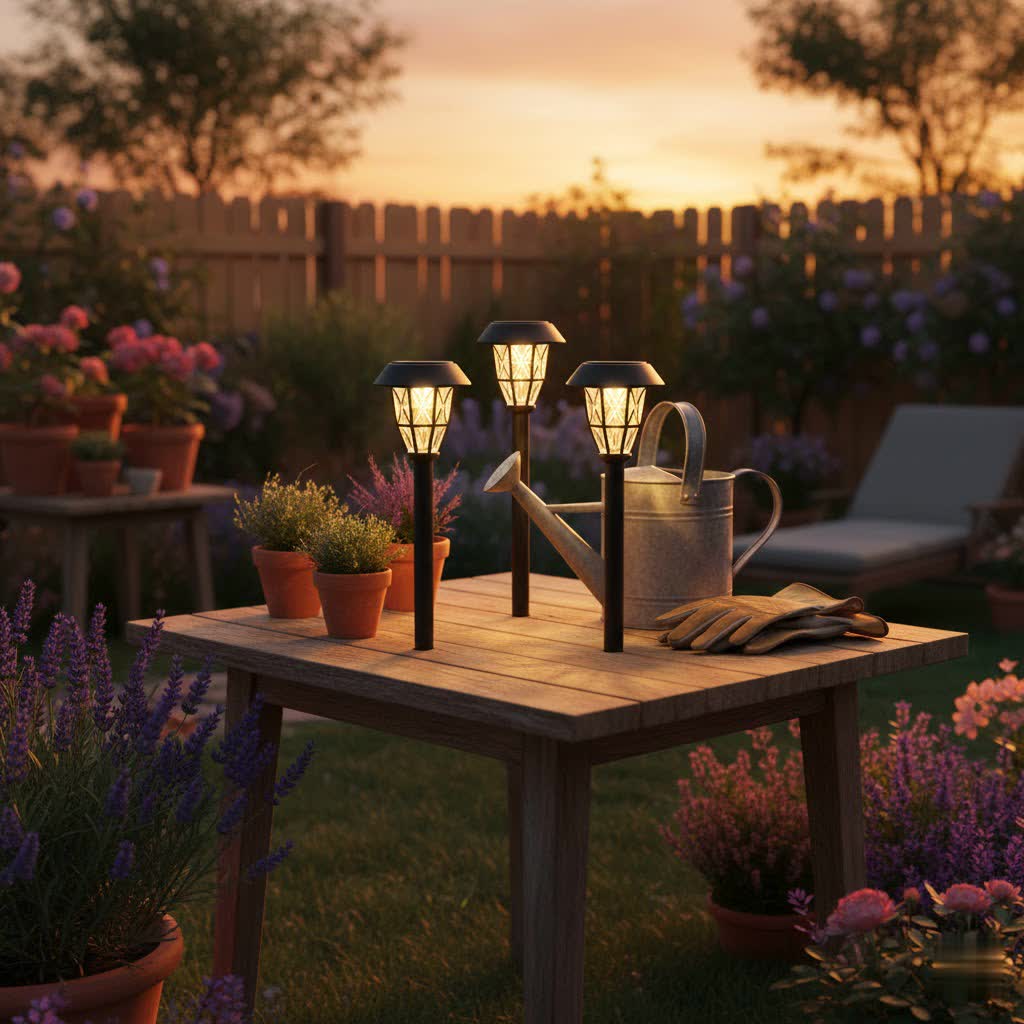
This comprehensive guide will walk you through everything you need to know about solar flood lights with motion sensors, from understanding their core technology to selecting the perfect model for your unique needs. We’ll delve into the various types available, key features to compare, essential installation and maintenance tips, and the undeniable benefits of making the switch to smart, sustainable outdoor lighting.
Solar Flood Lights with Motion Sensors: Your Smart Outdoor Lighting Solution
Solar flood lights with motion sensors are self-contained outdoor lighting units that operate independently of your home’s electrical grid. During the day, an integrated solar panel converts sunlight into electrical energy, which is then stored in a rechargeable battery. As dusk falls, a photocell sensor detects the absence of light, activating the motion sensor. When movement is detected within its range, the powerful LED floodlight illuminates, providing a burst of bright light to deter potential intruders, guide your steps, or highlight specific areas.
These lights combine several cutting-edge technologies into one convenient package. They represent a blend of security, energy efficiency, and environmental responsibility, making them a popular choice for homeowners and businesses alike. The beauty of these systems lies in their simplicity and autonomy; once installed, they require no manual operation or ongoing energy costs.
Types of Solar Flood Lights with Motion Sensors
The market offers a diverse range of solar flood lights with motion sensors, each designed to cater to different lighting needs and preferences. Understanding the common types will help you narrow down your options and find the best fit for your property.
Integrated vs. Split Design
Solar flood lights typically come in two main designs:
- Integrated Design: In these models, the solar panel, battery, and light fixture are all housed within a single unit.
- Advantages: Installation is straightforward and quick, requiring minimal setup. Their compact nature often makes them aesthetically pleasing.
- Disadvantages: Placement is dictated by sun exposure; if your desired lighting location is shaded, the light might not charge effectively.
- Split Design: These lights feature a separate solar panel connected to the light fixture by a long cable.
- Advantages: This design offers immense flexibility. You can mount the solar panel in a prime sunny location, even if the light itself needs to be placed in a shaded area like under an eaves or in a covered patio. This ensures optimal charging regardless of the light’s position.
- Disadvantages: Installation can be slightly more complex due to cable management, and the visible cable might be a minor aesthetic concern for some.
|
Our Picks for the Best Solar Lights in 2026
As an Amazon Associate I earn from qualifying purchases.
|
||
| Num | Product | Action |
|---|---|---|
| 1 | Solar Lantern Outdoor Waterproof, Metal Butterfly, Hummingbirds, Dragonflies, Frogs, Turtles, Flowers, Mushrooms, Garden Decor for Yard, Patio, Lawn, Porch, Backyard, Gifts for Women |

|
| 2 | [6 Packs] Solar Motion Sensor Outdoor Lights, Super Bright Solar Lights Outdoor Waterproof, 3 Lighting Modes Security Wall Light for Outside Walking Dog Fence Backyard Deck Garden Door Step Garage |
|
| 3 | NYMPHY Solar Lights Outdoor Waterproof IP68, 56 LED 3 Lighting Modes Solar Powered Garden Yard Spot Solar Lights for Outside Landscape- 4 Pack (Cool White) |
|
| 4 | Aootek New Solar Motion Sensor Lights 120 LEDs with Lights Reflector,270° Wide Angle, IP65 Waterproof, Step Lights for Front Door, Yard, Garage, Deck (Black, Daylight White, 6-Pack) |
|
| 5 | Solar Fence Lights Outdoor - 2700/4000/6000K 3 Mode, Waterproof LED, Fence Light Solar Powered for Outside, Backyard/Railing/Step/Patio/Wall and Home Improvement(8 Pack) |
|
| 6 | Solar Motion Lights Outdoor, Ultra Bright Solar Fence Lights with Motion Sensor, IP65 Waterproof Security Light 3 Modes, 270° Lighting Angle, Wall Lights for Deck Patio Fence Garage Door (6 Packs) |
|
| 7 | addlon 54(48+6) FT Solar String Lights Waterproof,Patio Lights Solar Powered with Remote & USB Port 15+1 LED Shatterproof Bulbs 3 Light Modes, Dimmable Solar Light for Camping Backyard Garden |
|
| 8 | LETMY Solar Pathway Lights Outdoor, 10 Pack Solar Lights Outdoor Waterproof, Auto On/Off Solar Powered Garden Landscape Path Lights, Outdoor Solar Lights for Yard Lawn Patio Walkway Driveway |
|
| 9 | Tuffenough Solar Outdoor Lights 2500LM 210 LED Security Lights with Remote Control,3 Heads Motion Sensor Lights, IP65 Waterproof,270° Wide Angle Flood Wall Lights with 3 Modes(2 Packs) |
|
| 10 | ALEPOD Solar Pathway Lights Outdoor - 8 Pack Solar Powered Garden Lights Waterproof IP65, Decor Landscape Lighting with Three Lighting Modes for Yard, Lawn, Walkway, Driveway, Warm White |
|
Multi-head vs. Single Head
- Multi-head Lights: These models typically feature two or three adjustable light heads.
- Advantages: Multi-head designs allow you to direct light in multiple directions, offering broader coverage and eliminating blind spots. This is particularly useful for illuminating large areas like driveways, garages, or wide backyard spaces.
- Single Head Lights: These lights have one primary light source, often providing a focused beam.
- Advantages: They are ideal for targeted illumination, such as highlighting a specific entrance, pathway, or a decorative garden feature.
- Disadvantages: They offer a narrower light spread compared to multi-head options.
Common Applications
Solar flood lights with motion sensors are incredibly versatile and can be applied in various scenarios:
- Security Lighting: Their primary function, illuminating driveways, entryways, backyards, and garages to deter intruders and enhance safety.
- Pathway Lighting: Guiding safe passage along walkways, garden paths, and steps after dark.
- Landscape Accent Lighting: Highlighting architectural features, trees, or garden elements while providing incidental security.
- Commercial Applications: Providing cost-effective and autonomous lighting for small businesses, warehouses, or remote areas without grid access.
Key Features to Consider When Choosing Solar Flood Lights with Motion Sensors
Selecting the right solar flood light requires careful consideration of several technical specifications to ensure it meets your specific needs.
Brightness (Lumens)
The brightness of a light is measured in lumens, not watts. Higher lumens mean brighter light.
- For subtle residential pathways, 300-500 lumens are generally sufficient.
- For general security or medium-sized outdoor areas, aim for 700-1000 lumens.
- Large driveways, backyards, or commercial applications may require 1500-2000+ lumens. Some heavy-duty models can even reach up to 60,000 lumens for expansive areas.
It’s crucial to balance brightness with the intended use to avoid light pollution or glare, which can be an issue in residential settings. Look for models with adjustable brightness or beam angles if possible.
Motion Sensor Performance
The effectiveness of a security light largely depends on its motion sensor.
- Detection Range: This indicates how far away the sensor can detect movement. Ranges typically vary from 10 feet to over 70 feet, with 20-40 feet being common for residential use. Choose a range that adequately covers the area you want to protect.
- Detection Angle: This is the field of view the sensor covers. Common angles are 120-180 degrees, but some advanced models offer up to 270 degrees of coverage. A wider angle means fewer blind spots.
- Adjustable Sensitivity: Many lights allow you to adjust the sensor’s sensitivity. This is vital for preventing false triggers from pets, small animals, or wind-blown debris, ensuring the light only activates when genuinely needed.
- Adjustable Duration: This setting determines how long the light stays on after motion is detected and then stops. Typical durations range from 10 seconds to 5 minutes.
Battery Capacity & Type
The battery is the heart of a solar light, storing the energy collected by the solar panel.
- Capacity (mAh): Measured in milliamp-hours (mAh), a higher rating (e.g., 2,000-4,000 mAh) indicates a larger capacity and thus a longer runtime, especially crucial during extended cloudy periods or long winter nights.
- Battery Type: Modern solar lights often use lithium-ion (Li-ion) or lithium iron phosphate (LiFePO4) batteries, known for their better longevity, faster charging, and more charge cycles compared to older NiMH batteries.
Solar Panel Efficiency
The quality and efficiency of the solar panel directly impact charging performance.
- Conversion Rate: Monocrystalline solar panels generally offer higher conversion rates, meaning they convert more sunlight into electricity.
- Size and Placement: A larger, more efficient panel will charge the battery faster and more effectively. For optimal performance, ensure the solar panel is placed in a location that receives at least 6-8 hours of direct sunlight daily. Detachable solar panels offer the most flexibility, allowing you to position the panel optimally regardless of the light fixture’s location.
Durability & Weather Resistance (IP Rating)
Since these lights are for outdoor use, they must withstand the elements.
- IP Rating: Look for an Ingress Protection (IP) rating of IP65 or higher. An IP65 rating means the light is dust-tight and protected against water jets from any direction, making it suitable for rain, dust, and general outdoor exposure. Higher ratings like IP67 or IP68 offer even greater water immersion protection.
- Build Quality: Consider the materials used, such as robust ABS plastic or aluminum, for enhanced longevity and corrosion resistance, especially in coastal or harsh environments.
Lighting Modes
Many solar flood lights offer various operating modes to suit different preferences:
- Motion-Activated Only: The light remains off until motion is detected, then illuminates at full brightness.
- Dusk-to-Dawn (Dim Mode) + Motion-Activated: The light stays on at a low brightness (e.g., 20-30% power) from dusk till dawn and brightens to full intensity when motion is detected.
- Timer Modes: Some lights allow you to set specific durations for illumination, or to stay on at full brightness for a set number of hours after dark.
Installation Ease
One of the biggest advantages of solar lights is their wireless nature. Most models are designed for easy DIY installation, often involving simple wall-mounting with screws or ground stakes. Look for adjustable brackets that allow you to direct both the light and the solar panel.
Top Brands & Models (Comparative Features)
While specific product recommendations can quickly become outdated, understanding the general characteristics offered by reputable manufacturers is key. Leading brands often prioritize a balance of brightness, sensor reliability, battery longevity, and robust construction. Here’s a comparative overview of features you’ll find across different price points, rather than specific brand names.
Comparative Feature Table
| Feature | Budget-Friendly Models | Mid-Range Models | Premium Models |
|---|---|---|---|
| Brightness (Lumens) | 300-800 lumens | 800-2000 lumens | 2000+ lumens |
| Motion Sensor Range | 10-25 ft | 20-40 ft | 40-70+ ft |
| Battery Life (Full charge) | 6-10 hours | 10-18 hours | 18-30+ hours |
| Weather Resistance | IP44-IP54 | IP65 | IP65-IP67 |
| Adjustability | Basic | Moderate (heads, panel) | High (sensitivity, duration, heads, panel) |
| Warranty | 6-12 months | 1-2 years | 2-5+ years |
“The true value of a solar motion sensor light isn’t just in its initial brightness, but in its consistent performance over time, its ability to withstand diverse weather, and the precision of its motion detection. A light that constantly triggers for leaves or fails on a cloudy day defeats its purpose.” – Dr. Elena Petrova, Renewable Energy Systems Engineer.
Installation & Maintenance Tips for Optimal Performance
Even the best solar flood light won’t perform optimally without proper installation and regular maintenance.
Installation Tips
- Choose the Right Location: For solar panel placement, select an area that receives at least 6-8 hours of direct, unobstructed sunlight daily. This is paramount for consistent charging. If you have a split-design light, this offers greater flexibility.
- Secure Mounting: Mount the light fixture firmly to a wall, post, or use a ground stake. Ensure it’s high enough to cover the desired area effectively but within reach for any adjustments.
- Optimize Sensor & Light Angle: Adjust the motion sensor to cover your target area, such as a walkway or entry point. Angle the light heads to illuminate specific zones, minimizing light spill into unwanted areas.
- Avoid Obstructions: Make sure no trees, bushes, or other structures block the solar panel from sunlight or the motion sensor’s field of view.
Maintenance Tips
- Regular Cleaning: Periodically wipe down the solar panel with a soft, damp cloth to remove dust, dirt, leaves, and snow. A clean panel ensures maximum sunlight absorption and charging efficiency.
- Inspect Motion Sensor: Keep the motion sensor lens clean and clear of cobwebs or debris that could impede its detection capabilities or cause false triggers.
- Check Battery Health: While many batteries are designed to last years, their performance will eventually degrade. If your light’s runtime significantly decreases, consider if the battery is replaceable and due for a change. High-quality lithium-ion batteries typically last 3-5 years.
- Prevent Damage: Avoid strong impacts or harsh chemicals that could damage the unit’s casing or components.
Troubleshooting Common Issues
- Light Not Working: Ensure the solar panel is clean and receiving adequate sunlight. Check if the light switch is in the “ON” position (some models have one). Verify that the battery connection is secure.
- Light Dims Quickly: This usually indicates insufficient charging. Review solar panel placement for maximum sun exposure or consider if the battery might be nearing the end of its lifespan.
- False Triggers: Adjust the motion sensor’s sensitivity settings. Ensure the sensor isn’t pointing towards busy public areas, moving foliage, or heat sources like vents.
The Undeniable Benefits of Embracing Solar Motion Sensor Flood Lights
Embracing solar flood lights with motion sensors offers a multitude of advantages that go beyond simple illumination.
Cost Savings
One of the most compelling benefits is the elimination of electricity bills associated with outdoor lighting. Once installed, these lights operate entirely on solar power, resulting in zero running costs. Furthermore, their wireless design means no expensive electrical wiring or professional electrician fees for installation.
Enhanced Security
The primary role of these lights is to boost your property’s security. The sudden burst of light upon detecting motion can effectively startle and deter potential intruders. It also illuminates dark corners, making it safer for you and your guests to navigate your property at night, preventing trips and falls.
Environmental Friendliness
By utilizing renewable solar energy, you significantly reduce your carbon footprint. Solar lights consume no grid electricity, lessening demand on conventional power sources and contributing to a more sustainable future.
Convenience & Flexibility
The wireless nature of solar flood lights means they can be installed almost anywhere on your property without the constraints of power outlets. Their automatic dusk-to-dawn and motion-activated operation provides a hands-free lighting solution, offering convenience and peace of mind.
“In my decade of experience with solar lighting, the biggest shift I’ve seen is the blend of advanced security features with truly self-sufficient power. Modern solar flood lights are not just about saving money; they’re about empowering homeowners with autonomous, intelligent security.” – Admin, Reviewtika.com
Increased Property Value & Aesthetics
Well-lit outdoor spaces enhance your home’s curb appeal and can contribute to its overall value. Modern solar flood lights come in various designs that can complement your property’s aesthetic, providing both functionality and style.
Buying Guide: Making the Right Investment
Making an informed decision about your solar flood light investment means aligning your budget with your specific lighting and security needs.
Budget Considerations
- Entry-level ($20-$50): These models typically offer basic features, lower lumen output, and shorter battery life. They are suitable for smaller areas or for those on a tight budget where primary concerns are simple illumination and security. Expect less adjustability and potentially shorter warranties.
- Mid-range ($50-$100): This segment provides a good balance of features, brightness, and durability for most residential needs. You’ll find better battery life, higher IP ratings, and more adjustable settings for the motion sensor and light heads. These are often the sweet spot for value and performance.
- Premium ($100+): High-end solar flood lights boast superior lumen output (often 2000+), advanced motion sensing technology, longer-lasting batteries (LiFePO4), exceptional build quality, higher IP ratings, and extended warranties. They are ideal for larger properties, commercial applications, or for users who demand the absolute best in reliability and features.
Matching to Your Needs
- Security Focused: Prioritize high lumen output, a wide and adjustable motion detection range, and robust weather resistance (IP65+). Multi-head designs are often beneficial for broad coverage.
- Pathway & Accent Lighting: Moderate lumens (300-800) might suffice. Consider aesthetic design and ease of installation (e.g., stake-mounted options).
- Large Area Illumination: Look for models with very high lumens (1500+), powerful battery capacities, and potentially multiple adjustable light heads to cover expansive spaces like long driveways or large backyards.
Reputable Brands
When evaluating options, look for brands that consistently receive positive user reviews, provide clear and detailed product specifications, and offer reliable customer support and warranties. While specific brand names can fluctuate in quality and availability, a focus on features, transparent claims, and customer feedback will guide you toward a trustworthy purchase.
Conclusion
Solar flood lights with motion sensors represent a brilliant synergy of innovation and practicality. They offer an unparalleled solution for outdoor lighting, combining robust security features, significant cost savings, and an unwavering commitment to environmental sustainability. By understanding the different types, key features, and maintenance requirements, you are now empowered to make an educated choice that will transform your outdoor spaces. Upgrade to a brighter, safer, and more energy-efficient future.
Are you ready to step into a brighter, safer future with solar power?
Frequently Asked Questions
How bright should my solar flood light with motion sensor be?
For general residential security and pathways, 700-1000 lumens is often sufficient. However, larger areas like driveways or commercial spaces may require 1500-2000+ lumens or even higher for optimal illumination. The ideal brightness ultimately depends on your specific application and the size of the area you intend to light.
Do solar motion sensor flood lights work in cloudy weather?
Yes, most high-quality solar flood lights are designed to store excess energy collected on sunny days. Additionally, efficient solar panels can still generate some power even under overcast conditions, though prolonged cloudy periods may reduce their overall runtime and brightness. Choosing models with larger solar panels and high-capacity batteries helps ensure more consistent performance in varied weather.
How long do the batteries in solar flood lights with motion sensors typically last?
The rechargeable batteries in solar flood lights generally last 3-5 years before they may need replacement, depending on the battery type, usage frequency, and local climate. High-quality lithium-ion or LiFePO4 batteries are preferred for their longer lifespans and greater number of charge cycles. The LED bulbs themselves, however, boast a much longer lifespan, often exceeding 25,000 hours.
What IP rating should I look for in a solar flood light?
An IP (Ingress Protection) rating of IP65 or higher is strongly recommended for outdoor solar flood lights. An IP65 rating signifies that the light is dust-tight and protected against water jets from any direction, making it highly suitable for various outdoor weather conditions, including heavy rain and dust. Higher ratings like IP67 or IP68 offer even greater protection against temporary water immersion.
Can I adjust the motion sensor’s sensitivity?
Yes, many advanced solar flood lights with motion sensors offer adjustable sensitivity settings. This valuable feature allows you to fine-tune the sensor’s detection capabilities, enabling it to primarily respond to human-sized movement while potentially reducing false triggers from smaller animals, wind-blown debris, or passing vehicles, leading to more reliable and efficient security lighting.
