Are you dreaming of transforming your outdoor space into a captivating wonderland, but dreading complex wiring and surging electricity bills? Imagine a solution that bathes your garden in a magical glow, requires no outlets, and harnesses the power of the sun. Solar fairy lights are that enchanting answer, offering an eco-friendly and effortless way to add charm and ambiance to any setting. From whimsical garden paths to festive patio gatherings, these tiny, radiant LEDs provide a sustainable lighting marvel. This comprehensive guide will illuminate everything you need to know, from selecting the perfect set to keeping them shining bright for years to come.
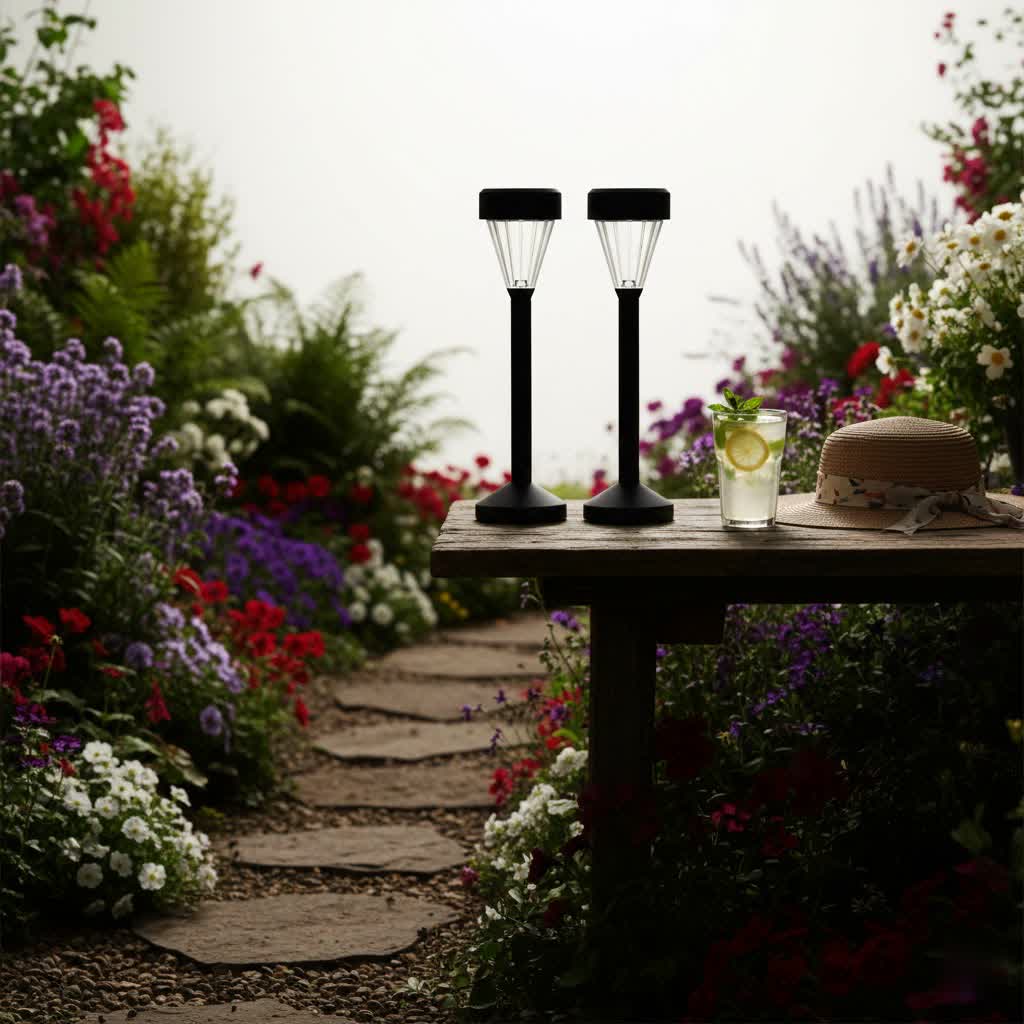
Solar Fairy Lights: A Magical, Eco-Friendly Lighting Solution
Solar fairy lights, a delightful subset of solar string lights, are designed to bring a touch of enchantment to your surroundings. They consist of numerous small LED bulbs strung along a flexible wire, powered by a small solar panel that charges a rechargeable battery during the day. As dusk falls, a light sensor automatically activates the lights, transforming your space with their gentle radiance. This makes them ideal for various applications, from decorating trees and shrubs to accentuating fences, pergolas, and outdoor dining areas. Their versatility and self-sufficiency have made them a beloved choice for homeowners seeking both beauty and sustainability.
Popular Styles and Designs of Solar Fairy Lights
While the core concept remains the same, solar fairy lights come in a dazzling array of styles to match any aesthetic:
- Classic Wire Fairy Lights: These feature tiny, dewdrop-like LEDs on thin, flexible copper or silver wires, allowing for easy shaping and wrapping around objects. They often disappear during the day, leaving only the illusion of floating lights at night.
- Globe or Orb Fairy Lights: Incorporating slightly larger, often frosted, bulbs in spherical shapes, these lights offer a more pronounced glow and a whimsical, playful feel.
- Decorative Shape Fairy Lights: From stars and snowflakes to flowers, butterflies, and even dragonflies, these lights feature specific motifs that add a themed touch to your decor, perfect for holidays or themed gardens.
- Warm White vs. Multi-color: You can choose between classic warm white for a cozy, inviting atmosphere or vibrant multi-color options to create a festive and lively mood.
- Wire Color: The wire itself can be chosen to blend seamlessly with its surroundings, with options like dark green for foliage, clear for minimal visibility, or black for contrast against lighter surfaces.
|
Our Picks for the Best Solar Lights in 2026
As an Amazon Associate I earn from qualifying purchases.
|
||
| Num | Product | Action |
|---|---|---|
| 1 | addlon 54(48+6) FT Solar String Lights Waterproof,Patio Lights Solar Powered with Remote & USB Port 15+1 LED Shatterproof Bulbs 3 Light Modes, Dimmable Solar Light for Camping Backyard Garden |

|
| 2 | LETMY Solar Pathway Lights Outdoor, 10 Pack Solar Lights Outdoor Waterproof, Auto On/Off Solar Powered Garden Landscape Path Lights, Outdoor Solar Lights for Yard Lawn Patio Walkway Driveway |
|
| 3 | Solar Fence Lights Outdoor - 2700/4000/6000K 3 Mode, Waterproof LED, Fence Light Solar Powered for Outside, Backyard/Railing/Step/Patio/Wall and Home Improvement(8 Pack) |
|
| 4 | ALEPOD Solar Pathway Lights Outdoor - 8 Pack Solar Powered Garden Lights Waterproof IP65, Decor Landscape Lighting with Three Lighting Modes for Yard, Lawn, Walkway, Driveway, Warm White |
|
| 5 | NYMPHY Solar Lights Outdoor Waterproof IP68, 56 LED 3 Lighting Modes Solar Powered Garden Yard Spot Solar Lights for Outside Landscape- 4 Pack (Cool White) |
|
| 6 | Solar Lantern Outdoor Waterproof, Metal Butterfly, Hummingbirds, Dragonflies, Frogs, Turtles, Flowers, Mushrooms, Garden Decor for Yard, Patio, Lawn, Porch, Backyard, Gifts for Women |
|
| 7 | Tuffenough Solar Outdoor Lights 2500LM 210 LED Security Lights with Remote Control,3 Heads Motion Sensor Lights, IP65 Waterproof,270° Wide Angle Flood Wall Lights with 3 Modes(2 Packs) |
|
| 8 | Solar Motion Lights Outdoor, Ultra Bright Solar Fence Lights with Motion Sensor, IP65 Waterproof Security Light 3 Modes, 270° Lighting Angle, Wall Lights for Deck Patio Fence Garage Door (6 Packs) |
|
| 9 | Aootek New Solar Motion Sensor Lights 120 LEDs with Lights Reflector,270° Wide Angle, IP65 Waterproof, Step Lights for Front Door, Yard, Garage, Deck (Black, Daylight White, 6-Pack) |
|
| 10 | [6 Packs] Solar Motion Sensor Outdoor Lights, Super Bright Solar Lights Outdoor Waterproof, 3 Lighting Modes Security Wall Light for Outside Walking Dog Fence Backyard Deck Garden Door Step Garage |
|
Each style offers unique charm, allowing you to personalize your outdoor sanctuary without the need for cumbersome electrical outlets or frequent battery changes.
Key Features to Look for When Choosing Solar Fairy Lights
Selecting the perfect solar fairy lights involves more than just picking a pretty design. Understanding the critical features will ensure your lights meet your expectations for brightness, durability, and performance.
Brightness and LED Quality
The luminosity of your solar fairy lights is measured in lumens. For ambient decorative lighting, a minimum of 50 lumens is generally suitable, while brighter options over 100 lumens can provide more functional illumination. The number of LEDs also contributes to overall brightness, with options ranging from 20 to over 400 LEDs per string. High-quality LEDs offer a more consistent and vibrant glow, ensuring your lights truly sparkle. Consider whether you prefer a warm white hue for a soft, inviting atmosphere or dynamic multi-color LEDs for a more festive display.
Solar Panel and Battery Performance
The heart of your solar fairy lights lies in their solar panel and rechargeable battery. A larger, more efficient solar panel will charge the battery faster and more effectively, especially during shorter daylight hours or on cloudy days. Look for panels with glass covers rather than resin, as glass is less prone to “crazing” or becoming opaque over time due to UV exposure, which can significantly reduce charging efficiency.
The battery’s capacity dictates how long your lights will stay illuminated at night. Most quality solar fairy lights offer 6 to 12 hours of illumination after a full day’s charge, with some high-capacity models lasting up to 15 hours. The batteries, typically rechargeable AA types, have a lifespan of approximately 300 to 500 charge cycles, meaning they will eventually need replacement, usually every 1-2 years. Opt for lights where batteries are easily accessible and replaceable to extend the product’s overall lifespan.
Durability and Weather Resistance
Since solar fairy lights are predominantly used outdoors, durability and weather resistance are paramount. An IP (Ingress Protection) rating indicates how well the lights can withstand dust and water. Look for an IP65 or IP66 rating, which signifies protection against dust ingress and resistance to water jets or strong rain, ensuring reliable performance in various weather conditions.
The quality of the wire is also crucial. Thicker, more robust wires, especially those made of copper, are more durable and less prone to breakage from stretching, wind, or accidental tugs. UV-resistant materials for all components will prevent fading and degradation over time, maintaining the aesthetic appeal and structural integrity of your lights.
Lighting Modes and Control
Many modern solar fairy lights offer multiple lighting modes to create different ambiances. Common options include:
- Steady On: A continuous glow.
- Twinkle/Flash: Various blinking patterns.
- Waves: A gentle, wave-like illumination.
- Fading: Lights gradually dim and brighten.
- Combination: Cycles through different modes.
Having these options allows you to customize the mood for any occasion, from a serene evening to a lively party. Controls are typically located on the back of the solar panel, often with an on/off switch and a mode selection button.
Length and Design
Consider the area you intend to illuminate. Solar fairy lights come in various lengths, from short 5-meter (16-foot) strings to extensive 22-meter (72-foot) or even 144-foot options. Measure your space to ensure you purchase a string long enough to achieve your desired effect. The spacing between individual LEDs will also affect the overall density of the light. Finally, the aesthetic design—from classic tiny bulbs to decorative shapes—should complement your existing outdoor decor.
Comparing Solar Fairy Light Options
When navigating the market, you’ll find a range of brands offering diverse features. While a direct, exhaustive comparison table of every brand is challenging due to rapidly evolving products, focusing on key performance indicators helps make an informed choice. Here’s a general guide:
| Feature | Budget-Friendly Options | Mid-Range Options | Premium Options |
|---|---|---|---|
| Brightness | Adequate for subtle ambiance | Good for clear visibility | Excellent, often with higher lumen output |
| Runtime | 6-8 hours | 8-10 hours | 10-15 hours |
| Battery Life | Standard NiMH, 1 year est. | Improved NiMH, 1-2 years est. | High-capacity, longer lifespan, easily replaceable |
| Waterproofing | IP44 (splash resistant) | IP65 (dust-tight, water jet resistant) | IP66 (strong water jet resistant), superior seals |
| Wire Quality | Thinner, standard alloy | Medium thickness, copper blend | Thicker, pure copper, highly flexible |
| Solar Panel | Smaller, resin-covered | Medium size, good efficiency, often resin | Larger, high-efficiency, glass-covered |
| Price Range | Low ($10-$25) | Medium ($25-$50) | High ($50+) |
| Warranty | 3-6 months | 1 year | 1-2 years+ |
Some well-regarded brands often mentioned for quality and features include: YIQU for ultra-long strings and numerous LEDs, Brightech for durable, bistro-style options that can extend to fairy light applications, Lumify for USB-charging capabilities alongside solar, and GIGALUMI for flexible designs and affordability. These brands often prioritize robust construction, efficient solar panels, and reliable battery performance, offering a balance of quality and value. Always check recent reviews and product specifications for the most up-to-date information.
How to Choose the Right Solar Fairy Lights for Your Space
Making the perfect choice for your solar fairy lights involves a thoughtful assessment of your needs, budget, and environmental conditions.
Assess Your Lighting Needs
First, consider the purpose of your lights. Are you looking to create a soft, romantic ambiance for your patio, highlight a garden feature, or provide practical pathway lighting? This will influence the required brightness (lumens), length of the string, and preferred LED color. For decorative accents, lower lumen counts and shorter strings might suffice, while larger areas or functional lighting may require brighter, longer strands.
Evaluate Environmental Conditions
The amount of direct sunlight your chosen area receives is critical. Solar panels need at least 6-8 hours of direct, unobstructed sunlight daily to fully charge and ensure prolonged illumination at night. If your garden has many shaded spots, consider lights with a separate solar panel that can be placed in a sunnier location. Factor in local weather patterns; if you live in a rainy or consistently cloudy region, invest in lights with superior waterproofing (IP65/IP66) and more efficient solar panels to cope with reduced charging opportunities.
Set Your Budget
Solar fairy lights are available across a wide price spectrum.
- Budget-friendly options (under $25) are great for temporary decor or smaller accents, but may offer shorter runtimes and less durability.
- Mid-range lights ($25-$50) typically provide a good balance of performance, durability, and features, often suitable for everyday garden use.
- High-end or premium lights ($50+) often boast superior battery life, higher lumen output, advanced weather resistance, and longer warranties, making them a worthwhile investment for long-term, reliable lighting.
Your budget should align with your expectations for quality and longevity.
Tips for Using and Maintaining Your Solar Fairy Lights
Maximizing the life and performance of your solar fairy lights is simple with a few easy tips.
Proper Installation for Optimal Performance
The placement of your solar panel is the most crucial factor for optimal charging. Ensure it receives uninterrupted direct sunlight for at least 6-8 hours daily. Avoid placing it under trees, eaves, or in the shadow of buildings. In winter, when the sun is lower, you might need to adjust the panel’s angle to capture maximum light. Most panels come with a stake for ground placement or a mounting bracket for walls, offering flexibility. Once the panel is optimally positioned, string your fairy lights as desired, ensuring the wire isn’t overly stretched or in a high-traffic area where it could be damaged.
Routine Maintenance for Longevity
Solar fairy lights are low-maintenance, but a little care goes a long way.
- Clean the solar panel regularly: Dust, dirt, leaves, and even bird droppings can accumulate on the solar panel, reducing its efficiency. Gently wipe the panel with a damp cloth every few weeks or months, depending on your environment.
- Replace batteries periodically: Rechargeable batteries typically last 1-2 years. If you notice a significant decrease in illumination time or brightness, it’s likely time for new batteries. Always use the specified type and voltage of rechargeable batteries.
- Inspect wiring and connections: Occasionally check the wire for any signs of wear, fraying, or rodent damage. Ensure all connections, especially those to the solar panel, are secure and free from corrosion.
- Store properly in off-season (optional): If you live in an area with harsh winters or simply want to extend their life, consider bringing your lights indoors during the off-season. Fully charge them before storing in a cool, dry place.
Troubleshooting Common Issues
- Lights not turning on: First, ensure the power switch (if any) is in the “ON” position. Cover the solar panel completely to simulate darkness and check if the lights activate; if not, the light sensor might be faulty, or the battery connection is loose.
- Dim or short illumination time: This usually points to insufficient charging. Reposition the solar panel for more direct sunlight, clean the panel, or replace old batteries.
- Flickering lights: This can be a sign of a dying battery, a loose wire connection, or the light sensor being confused by ambient light sources (e.g., a nearby street lamp). Try replacing the battery or checking connections.
- Water damage: If lights stop working after rain, check the battery compartment for water ingress and ensure all seals are intact. Some lights may not be as waterproof as advertised.
The Undeniable Benefits of Embracing Solar Fairy Lights
Choosing solar fairy lights for your outdoor spaces offers a myriad of advantages that go beyond just aesthetics.
Cost-Effective and Energy-Efficient
Perhaps the most significant benefit is the remarkable cost savings. By drawing power directly from the sun, solar fairy lights operate entirely free of charge, eliminating any impact on your electricity bill. Once the initial purchase is made, you enjoy endless hours of beautiful illumination without ongoing energy expenses. This makes them a smart, long-term investment for any homeowner.
Environmentally Friendly
Harnessing renewable solar energy significantly reduces your carbon footprint. Unlike traditional lighting that relies on fossil fuels, solar fairy lights contribute to a greener planet by decreasing greenhouse gas emissions. For the eco-conscious homeowner, they represent a tangible step towards sustainable living, aligning beautifully with environmental goals.
Easy and Flexible Installation
Forget about searching for outdoor outlets, wrestling with extension cords, or hiring an electrician. Solar fairy lights are incredibly easy to install. With no wiring required, you can drape, wrap, or string them virtually anywhere that receives adequate sunlight. This freedom of placement allows for endless creative possibilities, transforming previously unlit areas into inviting focal points. Their portability also means you can easily reconfigure your lighting design whenever inspiration strikes.
Enhanced Ambiance and Aesthetic Appeal
Solar fairy lights excel at creating a captivating and warm atmosphere. Their delicate glow adds a touch of magic and charm to gardens, patios, decks, and balconies. Whether you’re hosting a summer barbecue, enjoying a quiet evening outdoors, or simply want to enhance your home’s curb appeal, these lights effortlessly elevate the aesthetic, making any space feel more inviting and special.
Safety and Convenience
Operating on low voltage and independent of your home’s electrical grid, solar fairy lights inherently offer a higher level of safety. There’s no risk of electrical shocks from frayed wires or short circuits. Moreover, their automatic dusk-to-dawn operation provides ultimate convenience – simply set them up, and they’ll greet you with light every evening without any manual intervention.
Buying Guide: Making Your Final Decision
To ensure you invest in the ideal solar fairy lights, consider these factors to narrow down your choices.
Budget Expectations
- Entry-Level (under $25): Good for temporary decor or small areas. Expect basic features, shorter runtimes, and potentially less robust construction.
- Mid-Range ($25-$50): Offers a balance of quality, durability, and features like multiple lighting modes and better waterproofing. Ideal for regular use in most outdoor settings.
- High-End (over $50): Provides superior performance, extended battery life, advanced weather resistance, and often higher aesthetic appeal. A worthwhile investment for longevity and premium functionality.
Intended Use
- Garden Accents: For subtle highlighting of plants or pathways, shorter strings with warm white LEDs work beautifully.
- Patio/Deck Lighting: Longer strings with brighter LEDs or decorative shapes can define entertaining areas.
- Festive/Holiday Decor: Multi-color options and themed designs are perfect for celebrations.
- Functional Lighting: For areas needing more light, seek higher lumen counts, although dedicated solar path lights might be more suitable.
Reputable Brands
Look for brands known for quality outdoor solar products. While specific models may vary, companies that specialize in solar lighting or outdoor decor often have better quality control and customer support. Checking recent customer reviews and ratings can provide valuable insights into real-world performance and durability.
Ultimately, the best solar fairy lights for you will be those that perfectly balance your aesthetic desires with practical needs, all while staying within your budget and standing up to your local climate.
Conclusion
Solar fairy lights offer an irresistible blend of enchantment, sustainability, and practicality, making them an excellent choice for transforming any outdoor space. By understanding the diverse styles, key features like brightness and weather resistance, and simple maintenance practices, you can confidently select a set that will provide years of magical illumination. Embrace the freedom from wires, the joy of reduced electricity bills, and the undeniable charm these little lights bring. Why not let solar fairy lights sprinkle some sustainable magic into your evenings?
Frequently Asked Questions
How long do solar fairy lights typically last on a single charge?
Most quality solar fairy lights will illuminate for 8 to 12 hours on a full charge, provided they receive 6-8 hours of direct sunlight during the day. This duration can vary based on battery capacity, solar panel efficiency, and the chosen lighting mode.
Can solar fairy lights work in winter or cloudy weather?
Yes, they can, but their performance may be reduced. On cloudy days, the solar panel receives less sunlight, leading to a shorter charge and therefore a dimmer or shorter illumination time. In winter, shorter daylight hours and lower temperatures can also affect battery efficiency, so positioning the panel optimally for maximum sun exposure becomes even more critical.
Are solar fairy lights waterproof?
Most solar fairy lights designed for outdoor use are “weather-resistant” or “waterproof,” typically indicated by an IP (Ingress Protection) rating. An IP65 or IP66 rating means they are protected against dust and can withstand water jets or heavy rain, making them suitable for year-round outdoor exposure.
How do I clean my solar fairy lights?
To clean your solar fairy lights, simply wipe the solar panel with a soft, damp cloth every few weeks to remove any dust, dirt, or debris that might be obstructing sunlight absorption. For the light strands themselves, a gentle wipe with a damp cloth is usually sufficient. Avoid harsh chemicals or abrasive materials that could damage the components.
How often should I replace the batteries in my solar fairy lights?
The rechargeable batteries in solar fairy lights typically last for 1 to 2 years, or around 300 to 500 charge cycles. If you notice a significant decrease in the lights’ brightness or how long they stay illuminated at night, it’s a good indicator that the batteries are nearing the end of their lifespan and should be replaced with new rechargeable batteries of the same type and voltage.
