Are you tired of dark corners around your home, stumbling in the dark, or facing ever-increasing electricity bills for outdoor lighting? Many homeowners grapple with these challenges, seeking a balance between effective illumination, aesthetic appeal, and cost efficiency. Enter outdoor solar wall lights—a revolutionary solution that harnesses the sun’s power to elegantly brighten your exterior spaces, offering a sustainable, economical, and hassle-free alternative to traditional wired systems. These innovative fixtures provide the perfect blend of functionality and style, enhancing safety, security, and the overall ambiance of your property without adding to your energy consumption.
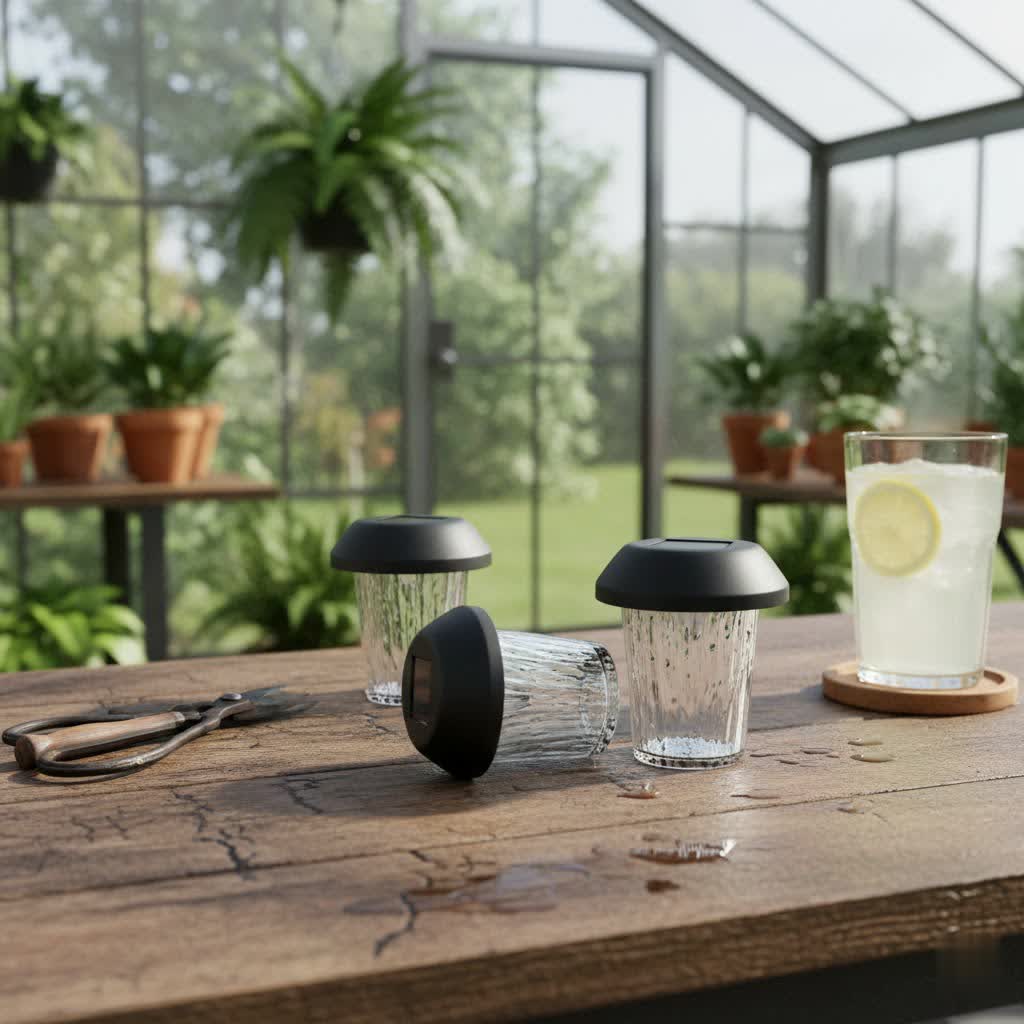
This comprehensive guide will delve into everything you need to know about outdoor solar wall lights, from how they work to choosing the best models and maintaining them for years of reliable performance. We’ll explore the diverse types available, compare key features, and equip you with the knowledge to make an informed decision, transforming your outdoor areas into beautifully lit, inviting spaces.
Understanding Outdoor Solar Wall Lights
Outdoor solar wall lights are self-contained lighting units designed to be mounted on the exterior walls of your home, garage, shed, or fence. They are a popular choice for homeowners looking to improve visibility, enhance security, and add decorative accents to their outdoor environments. Their appeal lies in their independence from the electrical grid, relying entirely on renewable solar energy.
At their core, these lights operate on a simple yet ingenious principle: converting sunlight into electrical energy. During daylight hours, integrated photovoltaic (PV) cells absorb solar radiation, transforming it into electricity. This energy is then stored in a rechargeable battery. As dusk falls, a built-in light sensor detects the decreasing ambient light, triggering the LED (Light Emitting Diode) bulbs to illuminate, powered by the stored energy. This automatic operation ensures your outdoor spaces are lit precisely when needed, offering convenience and peace of mind.
Key components work in harmony to deliver this seamless performance. The solar panel, often made from monocrystalline or polycrystalline silicon, is crucial for efficient energy conversion. The rechargeable battery, typically NiMH or Li-ion, stores the harvested electricity, determining how long the light can shine after dark. Energy-efficient LED bulbs provide bright illumination while consuming minimal power, contributing to the light’s longevity. Finally, intelligent sensors, such as photoresistors for dusk-to-dawn operation and motion sensors for enhanced security, optimize energy use and functionality.
Benefits of Choosing Solar Wall Lights
Embracing solar wall lights for your outdoor spaces offers a multitude of advantages that extend beyond mere illumination. These benefits touch upon your wallet, the environment, and your overall quality of life. Understanding these can help you appreciate the significant value solar lighting brings to any property.
Cost-Effectiveness & Energy Savings
|
Our Picks for the Best Solar Lights in 2026
As an Amazon Associate I earn from qualifying purchases.
|
||
| Num | Product | Action |
|---|---|---|
| 1 | addlon 54(48+6) FT Solar String Lights Waterproof,Patio Lights Solar Powered with Remote & USB Port 15+1 LED Shatterproof Bulbs 3 Light Modes, Dimmable Solar Light for Camping Backyard Garden |

|
| 2 | ALEPOD Solar Pathway Lights Outdoor - 8 Pack Solar Powered Garden Lights Waterproof IP65, Decor Landscape Lighting with Three Lighting Modes for Yard, Lawn, Walkway, Driveway, Warm White |
|
| 3 | Aootek New Solar Motion Sensor Lights 120 LEDs with Lights Reflector,270° Wide Angle, IP65 Waterproof, Step Lights for Front Door, Yard, Garage, Deck (Black, Daylight White, 6-Pack) |
|
| 4 | [6 Packs] Solar Motion Sensor Outdoor Lights, Super Bright Solar Lights Outdoor Waterproof, 3 Lighting Modes Security Wall Light for Outside Walking Dog Fence Backyard Deck Garden Door Step Garage |
|
| 5 | Tuffenough Solar Outdoor Lights 2500LM 210 LED Security Lights with Remote Control,3 Heads Motion Sensor Lights, IP65 Waterproof,270° Wide Angle Flood Wall Lights with 3 Modes(2 Packs) |
|
| 6 | NYMPHY Solar Lights Outdoor Waterproof IP68, 56 LED 3 Lighting Modes Solar Powered Garden Yard Spot Solar Lights for Outside Landscape- 4 Pack (Cool White) |
|
| 7 | Solar Lantern Outdoor Waterproof, Metal Butterfly, Hummingbirds, Dragonflies, Frogs, Turtles, Flowers, Mushrooms, Garden Decor for Yard, Patio, Lawn, Porch, Backyard, Gifts for Women |
|
| 8 | Solar Fence Lights Outdoor - 2700/4000/6000K 3 Mode, Waterproof LED, Fence Light Solar Powered for Outside, Backyard/Railing/Step/Patio/Wall and Home Improvement(8 Pack) |
|
| 9 | Solar Motion Lights Outdoor, Ultra Bright Solar Fence Lights with Motion Sensor, IP65 Waterproof Security Light 3 Modes, 270° Lighting Angle, Wall Lights for Deck Patio Fence Garage Door (6 Packs) |
|
| 10 | LETMY Solar Pathway Lights Outdoor, 10 Pack Solar Lights Outdoor Waterproof, Auto On/Off Solar Powered Garden Landscape Path Lights, Outdoor Solar Lights for Yard Lawn Patio Walkway Driveway |
|
One of the most compelling reasons to switch to solar wall lights is the remarkable cost savings. Since they draw all their power from the sun, there are zero running costs associated with electricity bills. Once the initial purchase and installation are complete, you enjoy free illumination night after night. This eliminates the need for expensive trenching, wiring, and connecting to your home’s electrical system, saving on installation labor and material costs. Over their lifespan, these savings can be substantial, making them a wise long-term investment.
Effortless Installation & Placement Flexibility
Unlike traditional wired lights that require complex electrical work, solar wall lights boast incredibly easy installation. Most models come with simple mounting hardware, allowing for quick, DIY setup with just a few screws. The absence of wiring means you’re not restricted by existing electrical outlets or the need to run new cables, offering unparalleled flexibility in placement. You can mount them virtually anywhere that receives adequate sunlight, from garden walls and fences to sheds and distant outbuildings, transforming previously dark or inaccessible areas.
Environmental Friendliness
By utilizing renewable solar energy, these lights significantly reduce your carbon footprint. They operate without consuming fossil fuels, thereby lowering greenhouse gas emissions and contributing to a healthier planet. Choosing solar wall lights is a tangible step towards sustainable living, aligning with eco-conscious values and supporting global efforts to combat climate change. It’s a small change that collectively makes a big difference.
Enhanced Safety & Security
Strategically placed solar wall lights dramatically improve the safety and security of your property. They illuminate pathways, steps, and entryways, reducing the risk of trips and falls after dark. Many models incorporate motion sensors, which instantly flood an area with light upon detecting movement. This not only startles potential intruders, acting as a powerful deterrent, but also provides a welcoming light for you and your guests as you approach your home. Increased visibility around your property creates a greater sense of security for everyone.
Low Maintenance
Modern solar wall lights are designed for durability and minimal upkeep. With no bulbs to change frequently (thanks to long-lasting LEDs) and no wires to check, their maintenance requirements are significantly lower than traditional lighting systems. Routine tasks typically involve occasional cleaning of the solar panel to ensure optimal charging efficiency and periodic battery replacement every few years. This hands-off operation means more time enjoying your beautifully lit surroundings and less time worrying about repairs.
Types of Outdoor Solar Wall Lights
The market for outdoor solar wall lights is rich with diverse options, each tailored to specific needs and aesthetic preferences. Understanding the different types available can help you choose the perfect lighting solution for every area of your home. These lights can be broadly categorized by their primary function and design.
For functional lighting, brightness and coverage are key. This includes solar floodlights, often equipped with powerful LEDs and wide beam angles, ideal for illuminating large areas like driveways, yards, or the sides of buildings for security purposes. Security-focused lights frequently integrate motion sensors, ensuring that light is only activated when movement is detected, conserving energy and providing a clear deterrent. These are typically bright and designed to cover specific zones.
On the other hand, decorative solar wall lights prioritize aesthetics and ambiance. Styles range from classic lantern designs that evoke a traditional charm to sleek, modern sconces that complement contemporary architecture. These lights often cast softer, warmer glows, perfect for accentuating architectural features, highlighting garden elements, or creating a welcoming atmosphere on porches and patios. Some even feature unique light patterns or color-changing options for added visual interest.
Many models now offer a blend of these functionalities. For example, a decorative lantern might also include a subtle motion sensor or a dusk-to-dawn feature that provides a continuous soft glow, brightening only when movement is detected. Furthermore, advancements in smart technology mean some solar wall lights can be controlled via smartphone apps, offering adjustable brightness levels, various light modes (e.g., dim-to-bright, flashing), and even scheduling capabilities. Whether you need a powerful beam to deter intruders or a gentle wash of light to enhance your outdoor living space, there’s a solar wall light designed to meet your specific requirements.
Essential Factors When Choosing Solar Wall Lights
Selecting the right outdoor solar wall lights involves considering several critical factors to ensure they meet your expectations for performance, durability, and aesthetics. Investing a little time in understanding these aspects will lead to a more satisfying and long-lasting lighting solution.
Brightness (Lumens)
The brightness of a solar wall light is measured in lumens. For security purposes or to illuminate large areas, look for lights with higher lumen outputs (e.g., 200-1000+ lumens). For ambient or decorative lighting on a patio or pathway, a lower lumen count (e.g., 20-100 lumens) might be more suitable. It’s important to match the light output to the specific function and area you intend to illuminate, avoiding over-lighting or under-lighting.
Battery Capacity & Runtime
The battery capacity, typically measured in milliampere-hours (mAh), directly impacts how long your light will stay illuminated after dark. A higher mAh rating means a longer runtime. Consider your location’s sunlight exposure and how many hours of illumination you need each night. Lights designed for all-night operation will require larger batteries. Quality batteries are crucial for consistent performance, especially during shorter winter days or prolonged cloudy periods.
Solar Panel Efficiency
The efficiency of the solar panel determines how effectively it converts sunlight into electricity. Monocrystalline silicon panels are generally more efficient, performing better in lower light conditions and requiring less surface area. Polycrystalline panels are a more budget-friendly option, still efficient but typically needing more direct sunlight. A high-efficiency panel ensures the battery charges fully, maximizing the light’s operational duration.
Durability & Weather Resistance (IP Rating, Materials)
Since outdoor solar wall lights are constantly exposed to the elements, their durability and weather resistance are paramount. Look for an Ingress Protection (IP) rating, with IP65, IP66, or IP67 being ideal for outdoor use, indicating protection against dust and strong jets of water or even temporary immersion. The construction material is also key; opt for fixtures made from robust aluminum, stainless steel, or high-grade ABS plastic rather than cheap, brittle plastics that can degrade quickly under UV exposure.
Motion Sensors & Smart Features
Motion sensors are an excellent feature for security lights, saving energy by only activating when movement is detected. They can have adjustable sensitivity and detection ranges. Some advanced solar wall lights come with additional smart features, such as multiple lighting modes (e.g., dim-to-bright, constant-on, flashing), adjustable brightness settings, remote control operation, or even app integration for customized scheduling and control. These features offer greater flexibility and convenience, tailoring the light’s performance to your specific needs.
Design & Aesthetics
Beyond functionality, the design and aesthetic appeal of your solar wall lights are important for complementing your home’s exterior. Whether you prefer a modern, minimalist look, a classic lantern style, or something more industrial, there’s a design to match every taste. Consider the finish, color, and size of the fixture to ensure it blends harmoniously with your architectural style and existing outdoor decor. The light output’s color temperature (warm white, cool white) can also impact the overall ambiance.
Installation and Maintenance Tips
Maximizing the performance and lifespan of your outdoor solar wall lights is straightforward with a few key installation and maintenance practices. Proper setup ensures optimal charging, while routine care keeps your lights shining brightly for years.
Optimal Placement for Sunlight
The most critical factor for performance is ensuring your solar wall lights receive ample direct sunlight throughout the day. Ideally, choose a location on a south-facing wall (in the Northern Hemisphere) that is free from obstructions like trees, eaves, or tall fences that could cast shadows. Even partial shade can significantly reduce charging efficiency and, consequently, the light’s runtime. If possible, observe the chosen spot throughout the day to confirm it gets at least 6-8 hours of direct sun.
Simple Installation Process
One of the greatest advantages of solar wall lights is their ease of installation. Most models come with mounting brackets and screws. Typically, you’ll mark the desired spot on the wall, drill pilot holes, insert wall anchors (if needed for masonry or stucco), and then securely attach the light fixture. Always follow the manufacturer’s specific instructions, as some lights may require assembly of components like the solar panel or light head before mounting. Double-check that the light is securely fastened to withstand wind and weather.
Routine Cleaning of Solar Panels
Over time, dust, dirt, pollen, and even bird droppings can accumulate on the solar panel surface, hindering its ability to absorb sunlight efficiently. Regularly cleaning the solar panel is essential for optimal charging. Simply wipe the panel gently with a damp cloth and mild soap (if necessary) to remove any buildup. Avoid abrasive cleaners or harsh scrubbing pads that could scratch the panel surface, as this can impair its efficiency. Aim to clean them every few weeks or as needed, especially after heavy rain or dust.
Battery Care and Replacement
Solar wall lights are powered by rechargeable batteries, which have a finite lifespan, typically ranging from 2 to 5 years. When you notice a significant decrease in runtime or brightness, it’s likely time to replace the battery. Most solar lights use standard NiMH or Li-ion batteries that are readily available. Always replace batteries with the same type and voltage recommended by the manufacturer. Before replacing, ensure the light is switched off. Proper battery care, such as allowing the battery to fully charge each day, can help extend its life.
Troubleshooting Common Issues
If your solar wall light isn’t performing as expected, a few simple troubleshooting steps can often resolve the problem.
- Light not turning on: First, check if the “on” switch is activated. Ensure the solar panel is clean and receiving direct sunlight for a full day’s charge. Test the battery; if it’s old, it might need replacement.
- Light is dim or short-lived: This usually indicates insufficient charging. Relocate the light to a sunnier spot, clean the panel thoroughly, or consider replacing an aging battery. Ensure no artificial light source (like a street lamp or another bright fixture) is shining on the solar panel at night, as this can trick the sensor into thinking it’s daylight and prevent the light from activating.
- Light flickers: This could be a loose connection or a failing battery. Check connections and consider battery replacement.
Comparing Solar Wall Light Brands
When it comes to selecting solar wall lights, many reputable brands offer a range of products designed to meet different needs and budgets. While specific models and features evolve rapidly, understanding what distinguishes reliable brands can guide your purchasing decisions. High-quality brands often excel in several key areas, providing superior performance and longevity.
Leading manufacturers typically invest in higher-efficiency solar panels, such as monocrystalline silicon, which allows their lights to charge more effectively even on partly cloudy days. They also integrate robust, long-lasting batteries, often lithium-ion, ensuring extended illumination times throughout the night. Furthermore, reliable brands prioritize durable construction, utilizing weather-resistant materials like aluminum, stainless steel, and UV-stabilized ABS plastics, coupled with high IP ratings (e.g., IP65, IP66, IP67) to withstand harsh outdoor conditions.
When evaluating brands, consider their reputation for consistent lumen output, the reliability of integrated features like motion sensors and dusk-to-dawn activation, and the aesthetic diversity of their product lines. Look for brands that offer clear warranty policies and responsive customer support, which are strong indicators of trustworthiness and commitment to product quality. Reading customer reviews and professional assessments can also provide valuable insights into real-world performance and durability across different brands.
Here’s an illustrative comparison table to highlight typical feature differences, keeping in mind that specific performance varies greatly by model within each brand:
| Feature | Budget-Friendly Option | Mid-Range Brand | Premium Brand |
|---|---|---|---|
| Brightness | 50-150 lumens | 150-400 lumens | 400-1000+ lumens |
| Runtime | 4-6 hours | 6-10 hours | 10-15+ hours |
| Battery Life | 1-2 years (NiMH) | 2-3 years (Li-ion) | 3-5+ years (High-grade Li-ion) |
| Weatherproof | IP44-IP55 (Splash resistant) | IP65 (Dust/Water jet resistant) | IP66-IP67 (Strong jet/Temporary immersion) |
| Materials | Basic plastic | Durable ABS, some metal | Aluminum, stainless steel, tempered glass |
| Features | Basic dusk-to-dawn | Dusk-to-dawn, simple motion sensor | Multi-mode, advanced motion, remote/app control |
| Warranty | 6 months – 1 year | 1-2 years | 2-5 years |
“The longevity and performance of solar wall lights are directly linked to the quality of their core components—the solar panel, battery, and LED. Investing in a well-regarded brand often translates to better efficiency and durability, ultimately providing more value over time.”
Ultimately, the best brand for you will depend on your specific needs, budget, and the desired balance between performance and aesthetics. Focus on brands known for reliability and customer satisfaction rather than solely on the lowest price point.
Buying Guide for Outdoor Solar Wall Lights
Navigating the market for outdoor solar wall lights can be overwhelming given the vast array of options. To simplify your decision, consider your budget, primary use case, and the reputation of the brands you’re exploring. This targeted approach will help you pinpoint the ideal solar lighting solution for your home.
Projected Budget
Your budget will significantly influence the features and quality of the solar wall lights you can consider.
- Entry-Level (Under $20 per light): These lights are often made with basic plastics and smaller solar panels and batteries. They typically offer lower brightness and shorter runtime, best suited for purely decorative purposes or very small accent lighting in areas with abundant sunlight. Their lifespan may be limited, and advanced features are rare.
- Mid-Range ($20 – $60 per light): This segment offers a good balance of value and performance. You’ll find more durable materials (better plastics, some metal accents), improved battery life, moderate brightness, and often include motion sensors or multiple lighting modes. They are suitable for general illumination and security in most residential settings.
- Premium ($60+ per light): High-end solar wall lights feature superior build quality with robust materials like cast aluminum and tempered glass, high-efficiency solar panels, long-lasting lithium-ion batteries, and excellent weather resistance (high IP ratings). They deliver significant brightness, extended runtime, and advanced smart features, ideal for demanding security applications, large properties, or when design aesthetics are a top priority.
Intended Use
Clarifying the primary purpose of your solar wall lights will narrow down your choices considerably.
- Garden and Pathway Illumination: For general path lighting or highlighting garden features, you might opt for lights with a softer, ambient glow. Aesthetics and even light distribution are important here. You might prioritize design over extreme brightness.
- Driveway and Walkway Lighting: These areas benefit from brighter lights for clear visibility and safety. Motion-sensing lights are particularly effective here, illuminating your path as you approach and acting as a deterrent.
- Exterior Decoration: If the main goal is to enhance your home’s curb appeal, look for lights with unique designs, attractive finishes, or specific light patterns. These often provide a warm, inviting glow.
- Security Lighting: For areas like backyards, side entrances, or garage doors, high-lumen, motion-activated floodlights are ideal. They offer strong illumination and deter unwanted visitors.
Reputable Brands
Choosing products from well-regarded brands is essential for peace of mind.
- Selection Criteria: Look for brands with a history of positive customer reviews, clear product specifications, transparent warranty information, and responsive customer service. Brands that specialize in solar lighting or outdoor lighting often have more expertise and robust testing processes.
- Suggested Brands (General): While specific recommendations can vary, brands that frequently appear in “best of” lists for outdoor solar lighting often include those known for durability, innovative features, and reliable performance across different product categories. Always check recent reviews for specific models you are considering. Focus on brands that highlight their use of quality components (e.g., specific battery types, panel efficiency).
By thoughtfully considering your budget, how you intend to use the lights, and selecting brands known for quality, you can confidently choose outdoor solar wall lights that will effectively illuminate and enhance your home for years to come.
The Benefits of Solar Wall Lights: A Sustainable Choice
Adopting outdoor solar wall lights is more than just a lighting upgrade; it’s a step towards a more sustainable, efficient, and enjoyable home environment. The cumulative advantages they offer make them an increasingly popular choice for modern homeowners.
Firstly, the most immediate benefit is the significant cost savings on electricity bills. By harnessing the sun’s free energy, these lights eliminate the need for grid power, leading to zero operational costs. This ongoing saving can be substantial over the lifespan of the lights, offering excellent long-term value for your investment.
Secondly, their environmental friendliness is a major draw. Solar wall lights reduce reliance on fossil fuels, thereby lowering carbon emissions and minimizing your ecological footprint. Choosing solar means embracing a cleaner, greener energy source, contributing positively to environmental conservation efforts.
Thirdly, ease of installation and use sets them apart. Without the need for complex wiring, solar lights can be installed quickly and effortlessly by anyone, opening up possibilities for illuminating areas previously deemed too difficult or costly to light. Their automatic dusk-to-dawn operation and optional motion sensors make them incredibly convenient, requiring minimal manual intervention.
Moreover, solar wall lights significantly enhance safety and security around your property. By brightly illuminating pathways, entrances, and dark corners, they help prevent accidents and deter potential intruders. The presence of well-lit areas makes your home feel safer and more secure for residents and visitors alike.
Finally, beyond their practical advantages, solar wall lights also boost the aesthetic appeal of your home. Available in a vast array of styles, from sleek modern designs to classic lanterns, they can beautifully accent your architecture, highlight landscaping features, and create a warm, inviting ambiance for outdoor living spaces. This blend of form and function truly elevates your outdoor environment.
Conclusion
Outdoor solar wall lights stand as a brilliant testament to how modern technology can seamlessly integrate sustainability with everyday convenience. They provide an unrivaled solution for enhancing the beauty, safety, and energy efficiency of your home’s exterior, all while being kind to your wallet and the planet. From their effortless installation and minimal maintenance to the profound impact they have on security and ambiance, the advantages are clear.
By carefully considering factors like brightness, battery capacity, weather resistance, and smart features, you can select the perfect solar wall lights to transform your outdoor spaces. Embrace the power of the sun to illuminate your world—have you considered which areas of your home could benefit most from this intelligent, eco-friendly lighting solution?
Frequently Asked Questions
Do solar wall lights work in winter or on cloudy days?
Yes, solar wall lights can still charge and operate in winter and on cloudy days, though their efficiency may be reduced. High-quality lights with efficient solar panels and larger battery capacities are designed to perform better in less-than-ideal sunlight conditions, often providing sufficient illumination for several hours.
How long do solar wall light batteries last, and can they be replaced?
The rechargeable batteries in solar wall lights typically last between 2 to 5 years, depending on the battery type and usage. Many models allow for easy battery replacement, extending the overall lifespan of the light fixture. Always replace with the same type and size of battery recommended by the manufacturer.
Can I install solar wall lights myself?
Absolutely! One of the biggest advantages of solar wall lights is their simple, wireless installation. Most fixtures come with mounting hardware and clear instructions, making them a popular DIY project. You generally only need basic tools like a drill and a screwdriver to secure them to your exterior walls.
