As the festive season approaches, the quest for dazzling outdoor decorations begins. While traditional plug-in lights bring undeniable cheer, they often come with the headache of soaring electricity bills, tangled cords, and environmental concerns. Imagine a world where your holiday glow is powered purely by the sun, illuminating your home with sustainable sparkle. Outdoor solar Christmas lights offer just that—an eco-friendly, cost-saving, and hassle-free solution to transform your festive display. This comprehensive guide will explore the diverse types, undeniable benefits, crucial buying considerations, and essential tips for maximizing the magic of solar-powered Christmas lights, even through the depths of winter.
Types of Outdoor Solar Christmas Lights
The versatility of solar Christmas lights allows you to craft virtually any holiday vision without a single outlet. From delicate accents to grand displays, there’s a solar light style for every outdoor space.
Solar String Lights: These are arguably the most popular and come in a dazzling array of designs.
- Fairy Lights: Featuring tiny, delicate LEDs on thin copper wire, fairy lights offer a subtle, magical twinkle perfect for wrapping around wreaths, intertwining with garlands, or adding a soft glow to bushes.
- Globe Lights: With larger, spherical bulbs, often resembling crystal balls, globe lights provide a more impactful and whimsical look, ideal for hanging across patios or adorning larger trees.
- Edison Bulbs: For a vintage, warm white glow, Edison-style solar lights offer a classic, sophisticated ambiance, perfect for pergolas, gazebos, or creating a cozy outdoor “café” feel. Many are shatterproof and designed for year-round use.
- Themed Lights: Embrace the holiday spirit with specialized shapes like snowflakes, icicles that simulate a dripping effect, or charming strawberry-shaped bulbs. These add a playful and distinctly festive touch to any display.
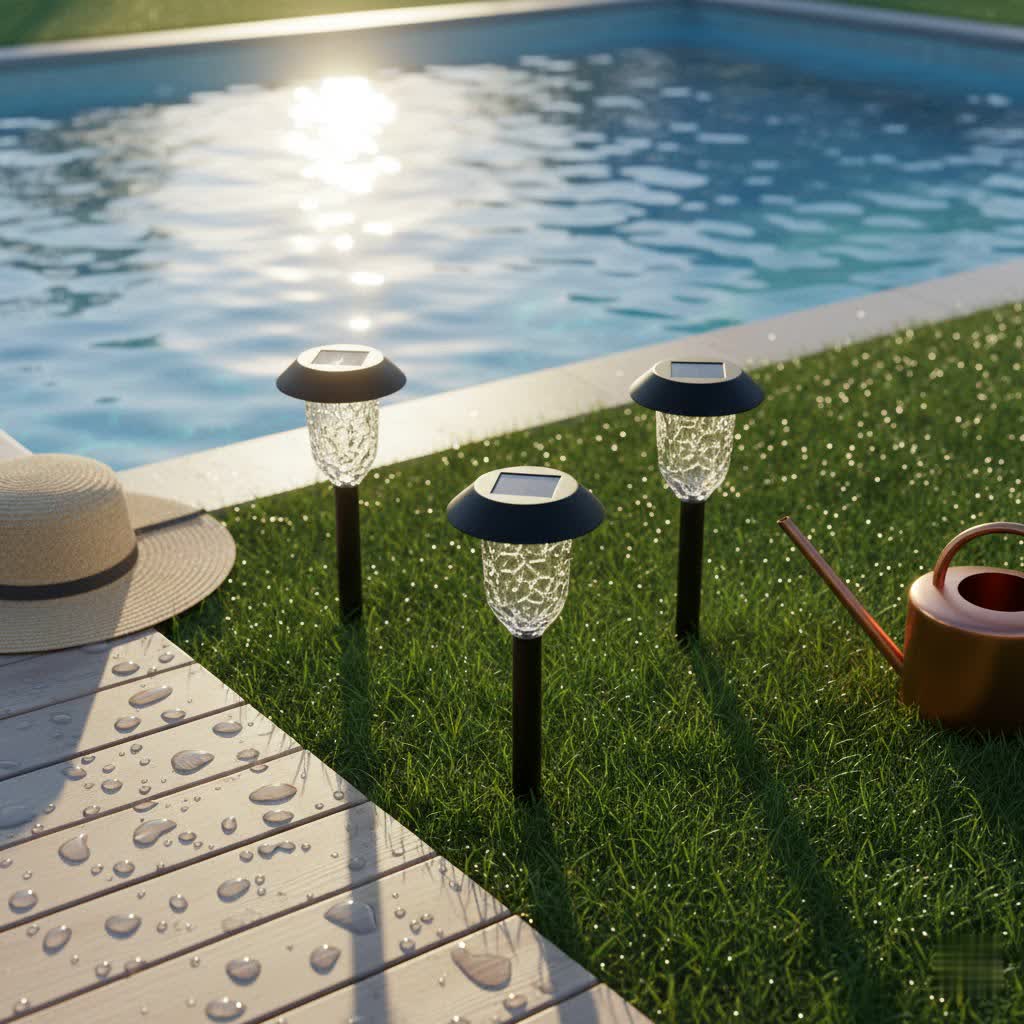
Solar Pathway & Stake Lights: Beyond string lights, solar power extends to ground-level illumination.
- Candy Cane Lights: A classic holiday staple, solar candy cane lights define pathways or driveways with a cheerful, striped glow, eliminating the need for extension cords across your lawn.
- Mushroom & Decorative Stakes: These freestanding lights can dot garden beds, outline borders, or create whimsical patterns, often featuring automatic color-changing options.
Solar Spotlights & Lanterns: For accenting specific features or providing broader ambient light.
- Spotlights: Offer directional lighting to highlight architectural details, festive lawn ornaments, or a particularly striking tree with a focused beam of color or white light.
- Lanterns: Available in various designs, solar lanterns can be hung from branches or placed on outdoor tables, casting a soft, inviting glow.
Each type offers unique aesthetic and functional benefits, allowing you to mix and match to perfectly suit your trees, fences, patios, pathways, windows, and even rooflines.
Why Choose Solar Christmas Lights? The Benefits Unpacked
Switching to solar Christmas lights is more than just a trend; it’s a smart decision offering a multitude of advantages that enhance your holiday experience and benefit the planet.
Cost Savings: The most immediate and tangible benefit is the elimination of electricity costs. Once you’ve made the initial purchase, your outdoor Christmas lights run entirely on free energy from the sun, making your holiday season brighter without adding a single cent to your utility bill. This can lead to significant savings, especially for elaborate displays.
Environmental Friendliness: Embracing solar power is a step towards a greener holiday. By reducing your reliance on grid electricity, you actively lower your carbon footprint and contribute to a more sustainable planet. Solar lights produce zero emissions during operation, making them an eco-conscious choice that aligns with modern environmental values.
Effortless Installation & Flexibility: Say goodbye to the frustration of tangled extension cords and the hunt for outdoor outlets. Solar Christmas lights are incredibly easy to install. Their independent power source means you can place them virtually anywhere the solar panel can receive adequate sunlight, offering unparalleled flexibility in design and placement. Most come with ground stakes for the solar panel and simple mounting options for the lights themselves.
Safety: Operating on low voltage, solar lights are inherently safer than traditional plug-in options, especially around children and pets. The LED bulbs also remain cool to the touch, minimizing any risk of burns or fire hazards, which is a significant advantage when decorating flammable materials like dry foliage.
Variety & Aesthetics: The market for solar Christmas lights has exploded, offering an immense variety of styles, colors, and lighting modes. Whether you prefer a classic warm white, a vibrant multi-color display, or dynamic twinkling effects, there’s a solar light to match your aesthetic, enhancing the beauty and magic of your outdoor space.
Navigating the Winter Wonderland: Solar Lights in Cold & Low Light
One of the most common questions about solar Christmas lights is their performance during the shorter, often cloudier, and colder days of winter. The good news is, yes, solar lights can absolutely work in winter, but understanding the factors that affect their performance is key to a consistently bright display.
Solar lights function by converting daylight into electricity and storing it in a rechargeable battery. In winter, several elements can impact this process:
- Shorter Daylight Hours & Lower Sun Angle: With fewer hours of daylight and the sun sitting lower in the sky, solar panels naturally receive less direct sunlight for charging. This can lead to a shorter runtime for your lights at night.
- Snow and Ice Accumulation: A layer of snow or ice on the solar panel will block sunlight entirely, preventing the battery from charging. Regular clearing of the panels is crucial for continuous operation.
- Battery Performance in Cold: While solar panels actually become more efficient in cooler temperatures, the rechargeable batteries (typically lithium-ion) can be less efficient at very low temperatures (below 0°C/32°F). High-quality batteries are designed to mitigate this, but extreme cold can still reduce their ability to hold a charge or deliver power.
Tips for Optimal Winter Performance:
- Strategic Placement: Position solar panels in the most south-facing, unobstructed location possible to maximize direct sunlight exposure throughout the day. Consider elevating panels if snow accumulation is common.
- Regular Cleaning: Make it a habit to brush off any snow, ice, or debris from your solar panels daily to ensure maximum charging efficiency.
- Choose High-Quality, Weather-Resistant Models: Look for lights with an IP65 or higher waterproof rating, indicating robust protection against dust, rain, and snow. Durable construction with sturdy wiring and shatterproof bulbs will also stand up better to harsh winter conditions.
- Consider Commercial-Grade Options: For those in regions with severe winters, investing in “commercial-grade” solar lights can be beneficial. These are typically designed with larger solar panels and greater battery capacities to handle less-than-ideal charging conditions.
- Embrace Evolving Technology: The solar industry is constantly innovating. For instance, emerging battery technologies like sodium-ion batteries are showing promise for better low-temperature performance, which could further enhance winter reliability in the future.
By understanding these dynamics and implementing these tips, your outdoor solar Christmas lights can shine brightly, transforming even the chilliest winter nights into a warm, festive spectacle.
Your Definitive Buying Guide for Outdoor Solar Christmas Lights
Choosing the right outdoor solar Christmas lights involves more than just picking a pretty color. To ensure your investment brings joy for many seasons, consider these key factors:
Durability & Weatherproofing (IP Rating): This is paramount for any outdoor lighting. Look for an Ingress Protection (IP) rating of IP65 or higher. An IP65 rating means the lights are protected against dust ingress and low-pressure water jets from any direction, making them suitable for rain and snow. Also, check for sturdy wiring and shatter-resistant bulbs.
Brightness & Lighting Modes:
- Brightness: While lumens aren’t always specified for decorative lights, look at the number and size of LEDs. More LEDs or larger bulbs generally mean more brightness. Customer reviews can often provide real-world insights into perceived brightness.
- Lighting Modes: Most solar Christmas lights offer multiple modes (e.g., steady on, twinkle, flash, fade, sequential). This allows you to customize the ambiance. Some advanced models include remote controls or memory functions that recall your last setting.
Battery Life & Charging Time:
- Runtime: Aim for lights that promise at least 8-10 hours of illumination on a full charge. Keep in mind that advertised runtimes are often based on ideal, sunny conditions.
- Charging Time: Most require 6-8 hours of direct sunlight for a full charge. Understand that shorter charging times will result in shorter runtimes.
Solar Panel Quality: The efficiency of the solar panel directly impacts charging.
- Monocrystalline or Polycrystalline panels are generally more efficient than amorphous panels, especially in lower light conditions. Look for larger panels, as they typically collect more energy.
- Adjustable panels allow you to angle them towards the sun for optimal charging.
Length & Number of Lights: Consider the area you wish to decorate.
- String Length: Measure your target area (trees, railings, fences) and choose a string length that provides ample coverage. It’s usually better to have slightly more length than you need.
- LED Density: Pay attention to how many LEDs are on a strand of a given length. A denser arrangement will create a brighter and more impactful display.
Ease of Use:
- Automatic Sensors: Most solar lights automatically turn on at dusk and off at dawn, which is a convenient feature.
- Manual On/Off Switch: A manual override switch gives you control to conserve battery life if you don’t need them on every night.
- Installation: Look for clear instructions and included mounting hardware (stakes, clips).
- Replaceable Components: Lights with replaceable batteries or individual bulbs can extend the overall lifespan of the product and reduce waste.
Budget Considerations:
- Entry-Level (Under $20-30): Good for small accents or short-term use, but may have shorter battery life and less durability.
- Mid-Range ($30-60): Offers a better balance of performance, features, and durability for most homeowners.
- High-End ($60+): Generally features superior components (better panels, batteries, build quality), longer warranties, and advanced functions like remote control or smart features, often designed for year-round use.
Remember that a slightly higher upfront cost for a quality product can save you money and frustration in the long run by providing greater durability and consistent performance.
Warranty & Brand Reputation: A solid warranty (e.g., 1-2 years or more) signals manufacturer confidence in their product. Research brands for consistent positive reviews regarding product quality and customer service.
Tips for Maximizing Performance and Longevity
To ensure your solar Christmas lights shine their brightest and last for many festive seasons, a little care and attention go a long way.
Placement is Key for Maximum Sun Exposure: The most critical factor for solar light performance is where you place the solar panel. Choose a location that receives 6-8 hours of direct, unobstructed sunlight daily. Avoid areas shadowed by buildings, large trees, or dense foliage. Angling the panel (ideally towards the south in the Northern Hemisphere) can significantly improve charging, especially during winter months when the sun is lower.
Regular Cleaning of Solar Panels: Dust, dirt, leaves, and especially snow or ice can quickly accumulate on solar panels, hindering their ability to absorb sunlight. Make it a routine to wipe down the panels with a soft, damp cloth every few weeks, and diligently clear off any snow or ice during winter. A clean panel is an efficient panel.
Battery Care and Replacement: Solar lights rely on rechargeable batteries (often NiMH or Lithium-ion), which have a finite lifespan, typically 3-4 years. If your lights become dim or stop working, the battery is usually the first component to check and replace. Many solar lights are designed for easy battery replacement, extending the life of the entire unit. Using the manual on/off switch to turn lights off when not needed can also help preserve battery life.
Proper Storage During the Off-Season: While many quality solar Christmas lights are designed for year-round outdoor use, storing them indoors during harsh off-seasons can prolong their life.
- Clean: Ensure lights and panels are clean and dry before storage.
- Charge: Fully charge the batteries before storing them to prevent deep discharge.
- Location: Store them in a cool, dry place away from direct sunlight and extreme temperatures.
Troubleshooting Common Issues:
- Lights not turning on: Check the solar panel for obstructions, ensure the switch is “on,” or replace the battery.
- Lights are dim: The battery may not be fully charged (relocate panel, clean it), or the battery is nearing the end of its life.
- Short runtime: Insufficient charging time, old battery, or the light sensor is detecting ambient light (e.g., from a street light), turning off the lights prematurely.
“The true magic of outdoor solar lights lies not just in their beautiful glow, but in the intelligent design that allows them to harness nature’s power. Optimal placement and simple maintenance are your best allies for a dazzling, sustainable display.” – Alex Pham, Lead Technician, Reviewtika.com
By following these practical tips, you can ensure your solar Christmas lights consistently perform at their best, spreading festive cheer efficiently and reliably for many holidays to come.
Conclusion
Outdoor solar Christmas lights offer a compelling blend of festive charm, environmental responsibility, and practical convenience. From the delicate twinkle of fairy lights to the vintage glow of Edison bulbs, and the classic appeal of candy cane pathways, there’s a solar solution to fit every decorating aspiration. By embracing these innovative lights, you not only create a stunning holiday display but also contribute to a greener future, all while enjoying significant savings on your energy bills.
Making an informed choice—prioritizing durability, understanding winter performance, and practicing good maintenance—will ensure your solar Christmas lights deliver reliable, radiant joy for many seasons to come. Transform your home into a beacon of holiday spirit this year, powered by the boundless energy of the sun. What festive solar lighting ideas will you bring to life this holiday season?
Frequently Asked Questions
Do solar Christmas lights actually work?
|
Our Picks for the Best Solar Lights in 2026
As an Amazon Associate I earn from qualifying purchases.
|
||
| Num | Product | Action |
|---|---|---|
| 1 | NYMPHY Solar Lights Outdoor Waterproof IP68, 56 LED 3 Lighting Modes Solar Powered Garden Yard Spot Solar Lights for Outside Landscape- 4 Pack (Cool White) |

|
| 2 | [6 Packs] Solar Motion Sensor Outdoor Lights, Super Bright Solar Lights Outdoor Waterproof, 3 Lighting Modes Security Wall Light for Outside Walking Dog Fence Backyard Deck Garden Door Step Garage |
|
| 3 | Tuffenough Solar Outdoor Lights 2500LM 210 LED Security Lights with Remote Control,3 Heads Motion Sensor Lights, IP65 Waterproof,270° Wide Angle Flood Wall Lights with 3 Modes(2 Packs) |
|
| 4 | Aootek New Solar Motion Sensor Lights 120 LEDs with Lights Reflector,270° Wide Angle, IP65 Waterproof, Step Lights for Front Door, Yard, Garage, Deck (Black, Daylight White, 6-Pack) |
|
| 5 | Solar Motion Lights Outdoor, Ultra Bright Solar Fence Lights with Motion Sensor, IP65 Waterproof Security Light 3 Modes, 270° Lighting Angle, Wall Lights for Deck Patio Fence Garage Door (6 Packs) |
|
| 6 | LETMY Solar Pathway Lights Outdoor, 10 Pack Solar Lights Outdoor Waterproof, Auto On/Off Solar Powered Garden Landscape Path Lights, Outdoor Solar Lights for Yard Lawn Patio Walkway Driveway |
|
| 7 | Solar Fence Lights Outdoor - 2700/4000/6000K 3 Mode, Waterproof LED, Fence Light Solar Powered for Outside, Backyard/Railing/Step/Patio/Wall and Home Improvement(8 Pack) |
|
| 8 | Solar Lantern Outdoor Waterproof, Metal Butterfly, Hummingbirds, Dragonflies, Frogs, Turtles, Flowers, Mushrooms, Garden Decor for Yard, Patio, Lawn, Porch, Backyard, Gifts for Women |
|
| 9 | ALEPOD Solar Pathway Lights Outdoor - 8 Pack Solar Powered Garden Lights Waterproof IP65, Decor Landscape Lighting with Three Lighting Modes for Yard, Lawn, Walkway, Driveway, Warm White |
|
| 10 | addlon 54(48+6) FT Solar String Lights Waterproof,Patio Lights Solar Powered with Remote & USB Port 15+1 LED Shatterproof Bulbs 3 Light Modes, Dimmable Solar Light for Camping Backyard Garden |
|
Yes, absolutely! Solar Christmas lights utilize small solar panels to charge a rechargeable battery during the day. As dusk falls, an integrated light sensor automatically switches on the LED lights, drawing power from the stored energy to illuminate your outdoor space for several hours without any external power source.
How long do solar Christmas lights last?
The lifespan of solar Christmas lights varies with quality. The rechargeable battery typically lasts 3-4 years before needing replacement. However, the energy-efficient LED bulbs themselves can often last for 6 seasons or more with proper care and usage, offering long-term value compared to traditional incandescent lights.
Can solar lights charge on cloudy days?
Yes, solar lights can still charge on cloudy days, but their efficiency will be reduced. While direct sunlight provides the fastest and most complete charge, modern solar panels are designed to convert even diffused daylight into electricity. Expect a longer charging time and potentially shorter illumination duration on overcast days.
Are solar Christmas lights waterproof?
Most outdoor solar Christmas lights are designed to be weather-resistant, and many high-quality models feature an IP65 waterproof rating. This rating indicates strong protection against dust, rain, and snow, ensuring they can withstand various outdoor conditions throughout the holiday season. Always check the manufacturer’s specifications.
What is the brightest type of solar Christmas light?
Brightness often depends on the number and size of LEDs, as well as the efficiency of the solar panel and battery capacity. Generally, string lights with numerous dense LEDs or larger-bulbed styles like Edison or globe lights tend to offer a more noticeable luminosity. Solar spotlights are also designed for concentrated brightness to highlight specific features.
Should I turn my solar Christmas lights off?
While most solar lights feature automatic dusk-to-dawn sensors, manually turning them off when you don’t need them (e.g., after everyone is asleep) can help conserve battery life. This practice can extend the runtime on subsequent nights, especially during periods of limited sunlight, and prolong the overall lifespan of the battery.
How do I make my solar Christmas lights brighter in winter?
To maximize brightness in winter, ensure the solar panel is clean and free of snow or ice. Position the panel to receive maximum direct sunlight, ideally south-facing and unobstructed. Investing in higher-quality lights with efficient monocrystalline panels and larger battery capacities can also significantly improve performance during shorter, darker winter days.
