Are you tired of skyrocketing electricity bills and the hassle of complex wiring for outdoor lighting? Imagine a powerful, eco-friendly solution that bathes your property in brilliant light, all while harnessing the sun’s free energy. Solar Flood Lights offer precisely this blend of efficiency, security, and convenience, transforming how we illuminate our homes and businesses.
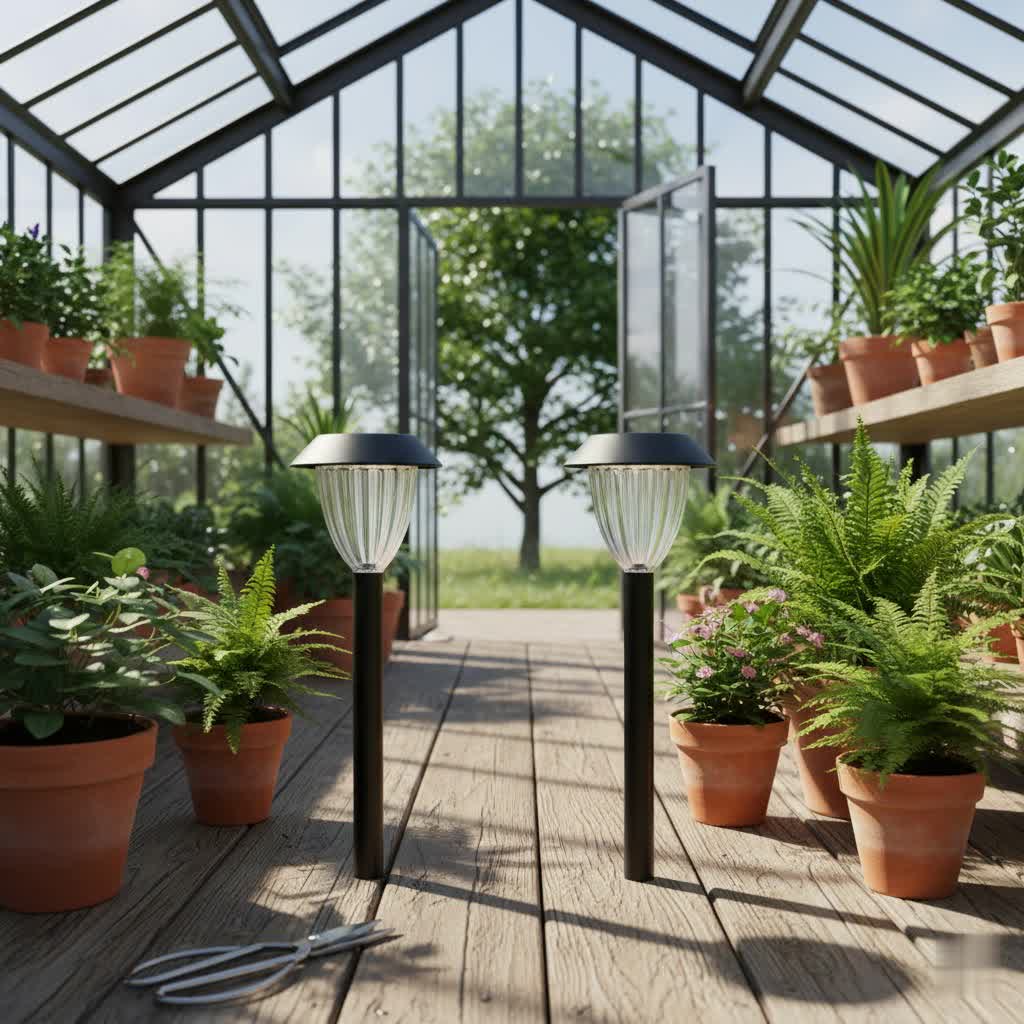
These innovative lighting solutions have revolutionized outdoor illumination, providing a compelling alternative to traditional grid-powered systems. From enhancing security to accentuating landscapes, solar flood lights are increasingly becoming the go-to choice for homeowners and commercial establishments seeking smart, sustainable lighting.
Understanding Different Types of Solar Flood Lights
Solar flood lights come in various configurations, each designed to meet specific lighting needs and preferences. While the core principle of converting sunlight into electricity remains the same, understanding their distinctions is key to making an informed choice.
The primary distinction often lies in the solar panel’s integration. Integrated solar flood lights have the solar panel directly attached to the light fixture, offering a compact, all-in-one design that’s incredibly easy to install. However, this design means the light fixture itself must be placed in direct sunlight, which might limit optimal positioning for illumination. In contrast, separated solar flood lights feature a detached solar panel connected to the light by a cable. This allows for greater flexibility, enabling you to mount the panel in the sunniest spot and position the light fixture precisely where illumination is needed, even in shaded areas.
Another crucial differentiator is the type of sensor technology employed. Many solar flood lights come equipped with motion sensors (PIR sensors) that detect movement, automatically activating the light at full brightness. This feature is ideal for security lighting, deterring intruders and conserving battery life by only illuminating when necessary. Alternatively, dusk-to-dawn sensors ensure the light automatically turns on when ambient light levels drop and switches off at sunrise, providing consistent, ambient illumination throughout the night. Some advanced models may offer both, allowing for customizable lighting modes.
Brightness levels also define different types, ranging from lower lumen outputs suitable for pathway or accent lighting to high-lumen options designed for broad security coverage of driveways, large yards, or commercial premises. The application often dictates the type, with specific designs optimized for wall mounting, ground staking, or pole installation.
Key Features to Look for When Choosing Solar Flood Lights
Selecting the perfect solar flood light involves evaluating several critical features to ensure it meets your specific requirements for brightness, durability, and performance.
The brightness, measured in lumens, is perhaps the most immediate consideration. For smaller residential areas like patios or pathways, 300-500 lumens may suffice. However, for illuminating larger spaces such as driveways, expansive yards, or for robust security purposes, aim for models offering 1000 lumens or more. Focusing on lumens rather than wattage is crucial, as LED bulbs are highly efficient, producing more light with less power compared to older bulb types.
Battery technology and runtime directly impact how long your light will shine. Most modern solar flood lights use rechargeable lithium-ion (Li-ion) or lithium iron phosphate (LiFePO4) batteries. LiFePO4 batteries are often preferred for their longer lifespan and better performance in varying temperatures. A higher battery capacity (measured in mAh or Ah) ensures extended illumination, especially during prolonged cloudy periods or shorter winter days. Efficient batteries, coupled with an optimized solar panel, can provide several hours of continuous light, with some high-quality models lasting all night.
The efficiency of the solar panel is paramount for effective charging. Monocrystalline panels are typically the most efficient, converting a higher percentage of sunlight into electricity, making them excellent for areas with limited sun exposure. Polycrystalline panels offer a good balance of performance and cost. Amorphous panels are less efficient but can perform better in low-light conditions. The physical size and placement of the panel are also vital; larger panels generally capture more sunlight, and angling them towards the sun for maximum exposure is essential.
Weather resistance, indicated by an IP (Ingress Protection) rating, signifies the light’s ability to withstand outdoor elements. For any outdoor application, an IP65 rating or higher is highly recommended. IP65 means the fixture is protected against dust ingress and low-pressure water jets, making it suitable for heavy rain and general outdoor conditions. Higher ratings like IP67 or IP68 offer even greater protection, even against temporary submersion.
Sensor types significantly impact functionality and energy efficiency. As discussed, motion sensors are excellent for security, while dusk-to-dawn sensors provide consistent ambient lighting. Some lights offer a combination, allowing you to choose modes like dim-to-bright when motion is detected, balancing energy saving with security. Consider the motion detection range and angle to ensure adequate coverage for your area.
Finally, durability and materials play a role in the longevity of your investment. Look for fixtures constructed from robust materials like powder-coated aluminum, tempered glass, or high-grade ABS plastic that can endure harsh weather and resist corrosion. Adjustable light heads and solar panels offer versatility in directing light and optimizing sun capture throughout the year.
Popular Solar Flood Light Brands and What Sets Them Apart
The market for solar flood lights is diverse, with numerous brands offering a wide array of products. While direct, universal comparisons can be challenging due to varying models and constant innovation, most reputable brands differentiate themselves through factors like brightness, battery longevity, build quality, and specialized features.
Leading brands often prioritize high lumen output for powerful illumination, coupled with advanced battery technologies (such as LiFePO4) to ensure extended runtime and a longer overall lifespan. Their solar panels typically boast higher efficiency, translating to faster charging and more reliable performance even on less sunny days. Robust construction with high IP ratings is a common hallmark, ensuring products can withstand diverse environmental conditions.
Some brands excel in offering intelligent features like highly customizable motion sensors with adjustable sensitivity and duration, multiple lighting modes (e.g., dim-to-bright, constant-on, motion-only), and remote control functionality for convenient adjustments. Others focus on ease of installation with user-friendly mounting systems or designs that blend seamlessly into landscaping. Value-oriented brands might offer more competitive pricing for basic functionality, while premium brands might invest in superior materials and cutting-edge sensor technology. When exploring options, consider the brand’s reputation for customer service and warranty policies, as these reflect their commitment to product quality and user satisfaction.
Detailed Comparison Table (Illustrative Examples)
|
Our Picks for the Best Solar Lights in 2026
As an Amazon Associate I earn from qualifying purchases.
|
||
| Num | Product | Action |
|---|---|---|
| 1 | Solar Lantern Outdoor Waterproof, Metal Butterfly, Hummingbirds, Dragonflies, Frogs, Turtles, Flowers, Mushrooms, Garden Decor for Yard, Patio, Lawn, Porch, Backyard, Gifts for Women |

|
| 2 | ALEPOD Solar Pathway Lights Outdoor - 8 Pack Solar Powered Garden Lights Waterproof IP65, Decor Landscape Lighting with Three Lighting Modes for Yard, Lawn, Walkway, Driveway, Warm White |
|
| 3 | Tuffenough Solar Outdoor Lights 2500LM 210 LED Security Lights with Remote Control,3 Heads Motion Sensor Lights, IP65 Waterproof,270° Wide Angle Flood Wall Lights with 3 Modes(2 Packs) |
|
| 4 | [6 Packs] Solar Motion Sensor Outdoor Lights, Super Bright Solar Lights Outdoor Waterproof, 3 Lighting Modes Security Wall Light for Outside Walking Dog Fence Backyard Deck Garden Door Step Garage |
|
| 5 | NYMPHY Solar Lights Outdoor Waterproof IP68, 56 LED 3 Lighting Modes Solar Powered Garden Yard Spot Solar Lights for Outside Landscape- 4 Pack (Cool White) |
|
| 6 | LETMY Solar Pathway Lights Outdoor, 10 Pack Solar Lights Outdoor Waterproof, Auto On/Off Solar Powered Garden Landscape Path Lights, Outdoor Solar Lights for Yard Lawn Patio Walkway Driveway |
|
| 7 | Aootek New Solar Motion Sensor Lights 120 LEDs with Lights Reflector,270° Wide Angle, IP65 Waterproof, Step Lights for Front Door, Yard, Garage, Deck (Black, Daylight White, 6-Pack) |
|
| 8 | Solar Motion Lights Outdoor, Ultra Bright Solar Fence Lights with Motion Sensor, IP65 Waterproof Security Light 3 Modes, 270° Lighting Angle, Wall Lights for Deck Patio Fence Garage Door (6 Packs) |
|
| 9 | Solar Fence Lights Outdoor - 2700/4000/6000K 3 Mode, Waterproof LED, Fence Light Solar Powered for Outside, Backyard/Railing/Step/Patio/Wall and Home Improvement(8 Pack) |
|
| 10 | addlon 54(48+6) FT Solar String Lights Waterproof,Patio Lights Solar Powered with Remote & USB Port 15+1 LED Shatterproof Bulbs 3 Light Modes, Dimmable Solar Light for Camping Backyard Garden |
|
| Feature | Brand A (Premium) | Brand B (Mid-Range) | Brand C (Budget-Friendly) |
|---|---|---|---|
| Brightness | 2000-5000 Lumens | 800-1500 Lumens | 300-700 Lumens |
| Runtime | 10-15+ hours (full brightness) | 6-10 hours (full brightness) | 4-8 hours (full brightness) |
| Battery Lifespan | 3-5+ years (LiFePO4) | 2-3 years (Li-ion) | 1-2 years (Li-ion/Ni-MH) |
| Water Resistance | IP66-IP68 | IP65 | IP44-IP65 |
| Price Range | $$$$ | $$$-$$$$ | $-$$$ |
| Warranty | 2-5 years | 1-2 years | 6 months – 1 year |
(Note: This table uses illustrative data. Actual specifications vary by model and manufacturer.)
A Comprehensive Buying Guide for Your Ideal Solar Flood Light
Choosing the right solar flood light requires a thoughtful assessment of your budget, specific usage needs, and a keen eye for quality. By considering these factors, you can find a solution that not only illuminates but also enhances your outdoor space.
Budget Considerations: Your budget will significantly influence the features and quality you can expect.
- Entry-level (Under $50): These lights typically offer basic illumination with lower lumen output and simpler construction. They might be suitable for small accent lighting or pathways where intense brightness isn’t critical. Expect shorter runtimes and potentially less durable materials.
- Mid-range ($50-$150): This segment offers a good balance of performance and affordability. You’ll find brighter lights (800-1500 lumens), more robust weatherproofing (IP65), and often motion sensor capabilities. Battery life and overall durability are generally better than entry-level options, making them suitable for security and general area lighting.
- Premium ($150+): High-end solar flood lights boast superior brightness (2000+ lumens), advanced battery technology (LiFePO4 for extended life), the highest IP ratings (IP66-IP68), and sophisticated sensor and control features. They are designed for large area illumination, demanding security applications, and extreme weather conditions, offering the best long-term reliability and performance.
Usage Needs: Defining the primary purpose of your solar flood light is crucial for guiding your selection.
- Security Lighting: For deterring intruders or illuminating dark corners, prioritize high lumen output (1000+), reliable motion sensors with adjustable range and sensitivity, and robust, wide-angle coverage.
- Pathway Illumination: Lower to medium lumen lights (300-800) that provide consistent, softer light are often ideal. Consider designs that blend with your landscape and offer dusk-to-dawn functionality.
- Landscape Accentuation: For highlighting architectural features, trees, or garden elements, focus on adjustable spotlights with lower, focused lumens and potentially color temperature options to create specific moods.
- General Area Lighting (e.g., backyard, patio): Medium to high lumen lights (500-1500) with broad coverage are suitable. Look for a balance of brightness and runtime to keep your space well-lit for social gatherings or activities.
Reputable Brands (Selection Criteria): While not naming specific brands here, when choosing, look for manufacturers known for:
- Quality Components: Brands that use high-efficiency solar panels, durable battery types, and quality LED chips.
- Clear Specifications: Transparent product descriptions with accurate lumen output, battery capacity, and IP ratings.
- Positive Customer Reviews: Look for consistent positive feedback regarding product performance, longevity, and customer support.
- Comprehensive Warranty: A good warranty indicates the manufacturer’s confidence in their product’s durability.
Installation and Maintenance Tips for Optimal Performance
To maximize the efficiency and lifespan of your solar flood lights, proper installation and consistent maintenance are essential. Follow these guidelines to ensure your lights shine brightly for years to come.
Installation Best Practices
- Choose the Right Location for the Solar Panel: This is the most critical step. The solar panel needs at least 4-6 hours of direct, unobstructed sunlight daily to charge effectively. In the Northern Hemisphere, a south-facing location is generally best. Avoid areas under trees, eaves, or buildings that could cast shadows, as even partial shade can significantly reduce charging efficiency. If you have a separated solar panel, mount it in the sunniest spot, even if it’s away from the light fixture itself.
- Determine Optimal Mounting Height and Angle: For security lighting, mounting flood lights at a height of 8-12 feet can provide broad coverage. Consider the light’s beam angle to ensure it covers your desired area effectively. Angle the solar panel directly towards the sun’s path during peak daylight hours; many panels come with adjustable brackets for this purpose.
- Securely Mount the Fixture: Use the provided mounting hardware (screws, anchors, stakes) to firmly attach the light fixture to your chosen surface, whether it’s a wall, pole, or the ground. Ensure it is stable and level.
- Connect Components Properly: If your light has a separate solar panel, connect the cable securely to the light fixture. Always follow the manufacturer’s instructions for wiring to prevent damage and ensure proper functionality. Test the connections before fully securing everything.
Essential Maintenance Tips
- Regularly Clean Solar Panels: Dust, dirt, leaves, and bird droppings can accumulate on the solar panel, hindering its ability to absorb sunlight. Clean the panel monthly, or more frequently if needed, with a soft, damp cloth. Avoid abrasive cleaners or harsh chemicals that could scratch the surface.
- Inspect and Clear Obstructions: Periodically check that no new foliage or physical objects are blocking sunlight from reaching the solar panel or obstructing the light’s sensors. Trim branches if necessary.
- Check Cable Connections: Over time, outdoor elements can cause connections to loosen or corrode. Regularly inspect all wiring between the solar panel and the light fixture to ensure they are secure and free from damage. Ensure waterproof seals are intact.
- Monitor Battery Performance and Replace When Necessary: Solar light batteries, typically Li-ion or LiFePO4, have a finite lifespan, usually 2-3 years. If you notice a significant decrease in runtime or brightness, it might be time to replace the battery. Use a high-quality replacement battery specified by the manufacturer to ensure optimal performance and compatibility.
- Address Common Issues: If your solar flood light isn’t turning on, check the power switch, ensure the panel is clean and receiving ample sunlight, and verify the battery is correctly installed and charged. If the light is dim, it often indicates insufficient charging or an aging battery.
“Many users overlook the simple act of regularly cleaning their solar panels, which can drastically reduce light output. It’s the easiest and most impactful maintenance step you can take to keep your solar lights performing at their best.” – Anna Nguyen, Solar Lighting Technician
The Undeniable Benefits of Embracing Solar Flood Lighting
The decision to switch to solar flood lights extends beyond mere illumination; it’s an investment in a smarter, more sustainable, and often more secure way of life. The advantages are compelling and wide-ranging.
Significant Cost Savings: One of the most attractive benefits is the elimination of electricity bills associated with outdoor lighting. Once installed, solar flood lights run entirely on free energy from the sun, leading to substantial long-term savings on your utility expenses. The initial investment, while sometimes higher than traditional lights, quickly pays for itself through zero operational costs.
Environmental Friendliness: By harnessing renewable solar energy, these lights significantly reduce your carbon footprint and reliance on fossil fuels. They produce no greenhouse gas emissions during operation, contributing to a cleaner, greener environment and supporting global sustainability efforts.
Effortless Installation and Unparalleled Flexibility: Forget about trenching, complex wiring, or hiring an electrician. Solar flood lights are renowned for their easy, DIY-friendly installation. Their wireless design means they can be placed almost anywhere that receives adequate sunlight, offering immense flexibility in lighting remote areas, gardens, pathways, or security zones without access to the main power grid.
Enhanced Security and Safety: Bright, wide-coverage solar flood lights, especially those with motion sensors, act as a powerful deterrent against intruders, automatically illuminating dark areas and potential hiding spots. This boosts security around your property. Furthermore, well-lit pathways and entrances improve safety by reducing the risk of trips and falls for family members and visitors.
Reliability During Power Outages: Unlike grid-tied lights, solar flood lights operate independently. This means they will continue to function and provide illumination even during unexpected power outages, offering peace of mind and emergency lighting when you need it most.
Aesthetic Enhancement: Beyond practicality, modern solar flood lights come in a myriad of designs, from sleek, minimalist fixtures to more decorative styles. They can increase the curb appeal of your home, highlight architectural features, and create inviting atmospheres in your garden or patio spaces.
Conclusion
Solar flood lights stand out as an exceptionally intelligent and impactful choice for illuminating your outdoor areas. They offer a potent combination of cost-efficiency, environmental responsibility, and practical versatility, allowing you to brighten your property without the constraints of traditional wiring or the burden of ongoing electricity costs. From boosting security with powerful, motion-activated beams to creating inviting ambiance with consistent dusk-to-dawn glow, the benefits are clear and compelling.
As technology continues to advance, these lights are becoming increasingly efficient, durable, and feature-rich, capable of meeting a wide array of needs. By carefully considering factors like lumen output, battery capacity, IP rating, and sensor types, you can confidently select the perfect solar flood light to transform your outdoor living. Are you ready to embrace the power of the sun and illuminate your world the smarter way?
Frequently Asked Questions
How bright should a solar flood light be for security?
For effective security lighting, a solar flood light should generally have a lumen output of 1000 lumens or more. This level of brightness is sufficient to illuminate large areas, deter potential intruders, and clearly reveal activity in your yard or driveway, especially when paired with a responsive motion sensor.
Do solar flood lights work on cloudy or rainy days?
Yes, high-quality solar flood lights are designed to work on cloudy or rainy days. Their solar panels can still generate some electricity from diffused light, and the internal batteries store excess energy from sunnier days. However, their charging efficiency and runtime may be reduced compared to sunny conditions.
How long do solar flood lights typically last at night?
The runtime of solar flood lights varies significantly based on battery capacity, solar panel efficiency, and chosen brightness settings. Many good quality models can last for 6-10 hours at full brightness after a full day’s charge, with some premium models offering 12-15+ hours or longer at lower settings or with motion activation.
What maintenance do solar flood lights require?
Solar flood lights are generally low-maintenance. The primary tasks involve cleaning the solar panel monthly to remove dirt and debris, inspecting cable connections for damage, and replacing the internal rechargeable battery every 2-3 years to ensure optimal performance. Clearing any obstructions around the light and panel is also recommended.
Can I install solar flood lights myself, or do I need a professional?
Most solar flood lights are designed for easy DIY installation and do not require professional help. They are wireless and typically come with all the necessary mounting hardware and straightforward instructions. The key is to select a location with ample direct sunlight and securely mount the light and solar panel.
Are solar flood lights weatherproof?
Yes, reputable solar flood lights are built to be weatherproof, designed to withstand various outdoor conditions. Look for an IP (Ingress Protection) rating of IP65 or higher, which indicates strong resistance to dust, rain, and other environmental elements, ensuring durability and reliable performance year-round.
