Transforming your backyard into a radiant oasis or a secure haven no longer requires complex wiring or mounting electricity bills. Solar lights for your backyard offer an ingenious solution, harnessing the sun’s power to provide efficient, eco-friendly, and stunning illumination. As a seasoned technician with over a decade in solar lighting, I’ve witnessed this technology evolve from its nascent stages into a sophisticated, reliable option for every outdoor space. This guide is designed to empower you with comprehensive knowledge, ensuring you select the perfect solar lighting solutions to enhance your backyard’s beauty, safety, and functionality, all while embracing sustainable living.
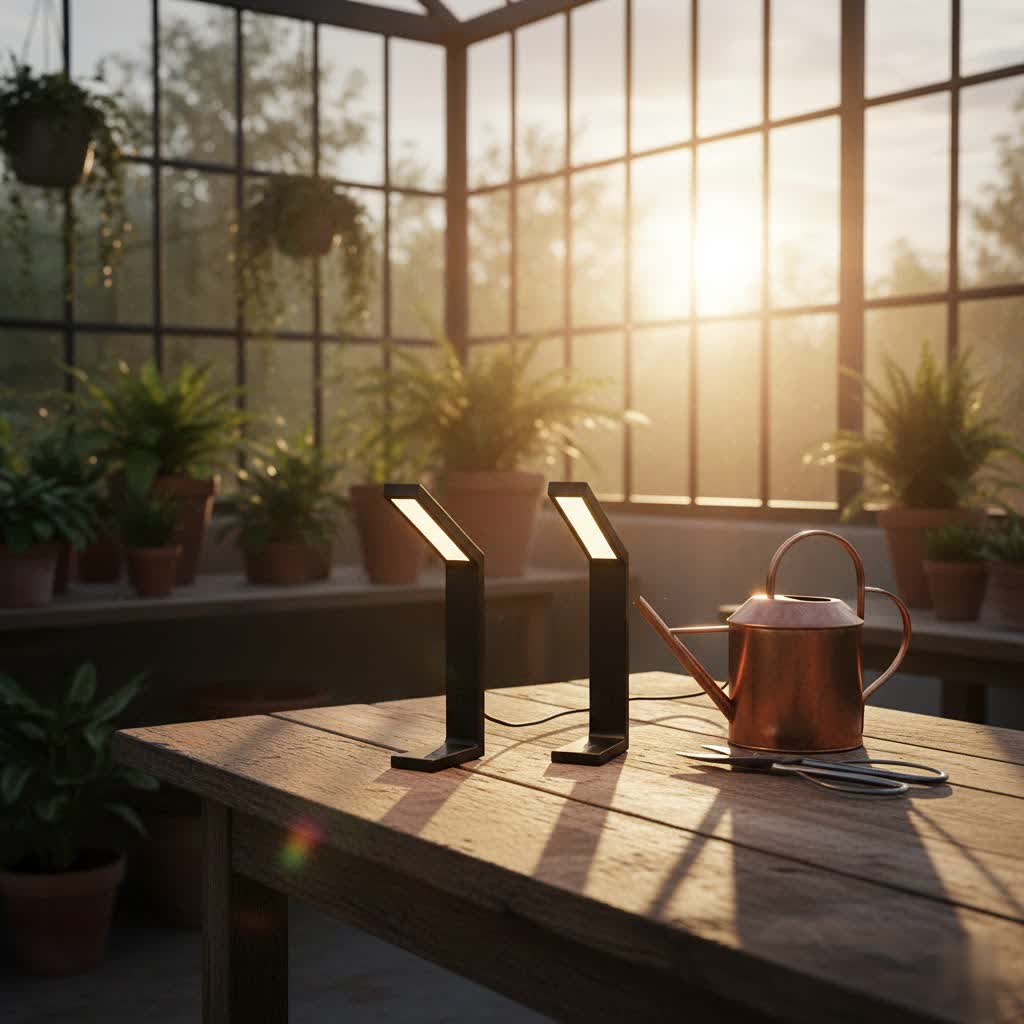
Popular Types of Solar Lights for Your Backyard
The versatility of solar lighting means there’s a perfect fit for every backyard need and aesthetic. Understanding the different types available is the first step to creating your ideal outdoor ambiance or security setup.
- Solar Pathway Lights: These are perhaps the most common, designed with stakes that easily push into the ground alongside walkways, driveways, or garden beds. They typically emit a soft, diffused light, guiding your steps and enhancing the visual appeal of your landscaping. Their primary purpose is navigation and subtle decoration.
- Solar Spotlights: Offering a more directed and intense beam, spotlights are excellent for highlighting specific features like trees, sculptures, water features, or architectural elements of your home. Many models come with adjustable heads, allowing you to direct light precisely where needed, often doubling as effective security lighting.
- Solar Floodlights: Designed to cast a wide and powerful beam across larger areas, solar floodlights are ideal for illuminating expansive sections of your backyard, patios, or play areas. Often equipped with motion sensors, they provide significant security by deterring unwanted visitors and ensuring clear visibility when activity is detected.
- Solar String Lights & Fairy Lights: Perfect for creating a festive or romantic atmosphere, these lights feature numerous small bulbs strung along a wire. String lights with larger, more widely spaced bulbs offer a brighter, carnival-like feel, while delicate fairy lights provide a subtle, magical twinkle. They are fantastic for pergolas, fences, deck railings, or wrapping around trees.
- Solar Lanterns: These portable or hanging fixtures house LED bulbs within decorative enclosures, offering a warm, ambient glow. Solar lanterns can be placed on tables, hung from hooks, or integrated into decorative displays, adding a charming and inviting touch to your outdoor dining or lounging areas.
- Solar Post Lights: Designed to sit atop fence posts, deck posts, or freestanding poles, these lights provide elevated illumination. They often come in various styles, from classic to modern, and are excellent for marking boundaries, illuminating entry points, or adding a consistent light source around your property.
- Solar Deck & Step Lights: Compact and discreet, these lights are specifically designed to be mounted on deck stairs, risers, or railings. They provide essential safety by illuminating potential trip hazards, offering a gentle downcast glow that enhances visibility without being overpowering.
- Solar In-Ground Lights: These low-profile lights are installed flush with the ground, creating a sleek, unobtrusive look. They are ideal for bordering pathways, accentuating garden edges, or even providing subtle uplighting without visible fixtures. Many are designed to be durable enough to withstand light foot traffic.
- Solar Wall-Mounted Lights: Attached directly to exterior walls, fences, or sheds, these lights can range from decorative sconces to functional security lights. They are perfect for illuminating entryways, side paths, or adding ambient light to vertical surfaces.
Each type serves a distinct function, but many can be combined to create a multi-layered lighting design that perfectly suits your backyard’s unique layout and your personal preferences.
Key Features to Consider When Choosing Solar Backyard Lights
Selecting the right solar lights for your backyard involves more than just picking a style. Understanding their core features ensures you invest in lights that perform optimally and meet your specific needs.
- Brightness (Lumens): The intensity of light is measured in lumens. For subtle accent lighting or a soft glow, look for lights in the 10-45 lumen range. General pathway lighting or ambiance typically requires 80-150 lumens. For security purposes or to illuminate larger areas like driveways, consider lights offering 300 lumens or more. Many modern solar lights offer adjustable brightness settings, allowing you to customize the output.
- Runtime and Battery Capacity: This indicates how long the lights will stay illuminated after a full day’s charge. Most quality solar lights offer a runtime of 8-12 hours, which is sufficient for most evenings. Battery capacity, often expressed in milliamp-hours (mAh), directly influences runtime, with higher capacities storing more energy. Look for lights using durable, rechargeable Ni-MH or lithium-based batteries, which typically last up to 5 years.
- Weather Resistance (IP Rating): Since these lights live outdoors, their ability to withstand the elements is crucial. The Ingress Protection (IP) rating indicates how well a fixture is sealed against dust and water. An IP rating of IP65 or higher is recommended for outdoor use, protecting against dust and jets of water. For areas prone to heavy rain, snow, or even submersion (like in-ground lights), look for IP67 or IP68 ratings.
- Charging Efficiency (Solar Panel Quality): The effectiveness of your solar light heavily depends on its solar panel. High-efficiency monocrystalline or polycrystalline silicon panels convert more sunlight into electricity, ensuring faster charging and better performance, especially on partly cloudy days. Larger panels generally collect more energy.
- Smart Features and Lighting Modes: Modern solar lights often come with advanced features:
- Motion Sensors: Ideal for security, these lights activate to full brightness when movement is detected, then dim or turn off after a set period.
- Dusk-to-Dawn Sensors: These automatically turn the lights on at sunset and off at sunrise, providing hassle-free operation.
- Selectable CCT (Correlated Color Temperature): Allows you to switch between warm white (2700K-3000K for a relaxing ambiance) and cool white (4000K-5000K for enhanced visibility).
- Multiple Modes: Options like steady-on, flashing, dim-to-bright, or color-changing add versatility for different occasions.
- Remote Control/Smart Connectivity: Some high-end models offer remote control or app integration for greater control over settings.
- Build Materials: The construction materials impact durability and aesthetics. Stainless steel, high-quality ABS plastic, and die-cast aluminum are common choices, offering resistance to rust, corrosion, and UV degradation.
By carefully evaluating these features, you can ensure your chosen solar lights are not only beautiful but also robust, efficient, and perfectly suited to your backyard environment.
Comparing Popular Solar Backyard Light Features
When exploring solar lights for your backyard, you’ll encounter a diverse range of products, each with distinct features. Here’s a comparison of common characteristics found in different types of popular solar lighting solutions, illustrating what makes them suitable for various backyard applications.
| Feature | Decorative Pathway Light | High-Brightness Floodlight | Ambiance String Lights |
|---|---|---|---|
| Brightness | 10-150 lumens (soft glow) | 300-800+ lumens (intense light) | 20-100 lumens (decorative) |
| Runtime | Up to 8-10 hours | Up to 8-12 hours (motion-activated) | Up to 10-12 hours |
| Battery Type | Ni-MH or Lithium-ion | Lithium-ion | Ni-MH or Lithium-ion |
| Water Resistance | IP65 (weatherproof) | IP67/IP68 (highly waterproof) | IP44-IP65 (splash to weatherproof) |
| Primary Use | Guiding paths, garden accent | Security, large area illumination | Party lighting, mood setting |
| Key Features | Dusk-to-dawn, easy stake install | Motion sensor, multiple modes | Multiple light patterns, flexible placement |
| Aesthetic | Classic, modern, subtle | Functional, robust | Festoon, vintage, fairy |
- Decorative Pathway Lights: These lights prioritize aesthetics and gentle guidance. They offer lower lumen outputs, typically in warmer color temperatures, and feature a classic or modern design that blends seamlessly into landscaping. Their ease of installation, often with simple stakes, makes them a favorite for DIY enthusiasts.
- High-Brightness Floodlights: Focused on functionality and security, these lights boast high lumen outputs and often cool white light for maximum visibility. Motion sensors are a common inclusion, conserving energy while providing instant, powerful illumination when needed. Their robust, weather-resistant construction ensures reliable performance in harsh conditions.
- Ambiance String Lights: Designed for mood and atmosphere, these lights provide a softer, dispersed light. They excel at creating inviting spaces for entertaining or relaxation, with various bulb styles and often multiple lighting modes (e.g., twinkle, steady). Their flexible design allows for creative arrangements across various backyard structures.
This comparison highlights how different solar light types are optimized for specific functions, from subtle garden accents to robust security, making it easier to match a product’s capabilities with your backyard’s unique requirements.
How to Choose the Best Solar Lights for Your Backyard
Making the right choice for your backyard solar lighting involves a strategic approach, considering your specific needs and environmental factors.
First, define your purpose. Are you looking for security lighting to deter intruders, pathway illumination for safety, decorative lights to enhance ambiance, or a combination? Your primary goal will dictate the type of lights, brightness levels, and features you prioritize. For instance, security demands high lumens and motion sensors, while decorative needs might focus on design and warmer color temperatures.
Next, evaluate your backyard’s sun exposure. Solar lights need direct sunlight to charge their batteries effectively. Observe which areas of your backyard receive at least 6-8 hours of direct, unobstructed sunlight daily. This is crucial for optimal performance and ensuring your lights stay bright throughout the night. Areas with heavy shade may require lights with larger or remote solar panels.
Consider the desired brightness and color temperature. As mentioned, lumens determine brightness. For pathways, 100-150 lumens are usually sufficient. For accentuating features, 10-45 lumens might be perfect. For broad area lighting or security, aim for 300+ lumens. Color temperature, measured in Kelvin (K), affects the mood: warm white (2700K-3000K) creates a cozy, inviting atmosphere, while cool white (4000K-5000K) provides crisper, more modern illumination, often preferred for security or task lighting.
Assess durability and weather resistance. Your solar lights will be exposed to the elements year-round. Look for products made from robust materials like stainless steel, aluminum, or high-grade ABS plastic, and confirm they have an appropriate IP (Ingress Protection) rating—IP65 for general outdoor use, and higher (IP67 or IP68) for lights that will be exposed to heavy rain or potential submersion.
Finally, factor in battery quality and runtime. The type of rechargeable battery (Ni-MH or Lithium-ion) and its capacity are critical. Lithium-ion batteries generally offer better performance in varying temperatures and longer overall lifespan. Ensure the stated runtime meets your needs, typically 8-12 hours for all-night illumination. A good quality solar panel will also ensure efficient charging, even on less sunny days.
By systematically considering these factors, you can confidently select solar lights that not only meet your aesthetic desires but also deliver reliable, long-lasting performance for your backyard.
Tips for Using and Maintaining Your Solar Backyard Lights
To ensure your solar backyard lights perform optimally and last for many seasons, proper installation and consistent maintenance are key.
Firstly, optimal placement for charging is paramount. Install solar lights in locations that receive a minimum of 6-8 hours of direct, unobstructed sunlight each day. For those in the Northern Hemisphere, south-facing spots are generally best. Avoid placing them under trees, awnings, or structures that cast shadows, as this will significantly reduce charging efficiency and runtime. If the solar panel is separate from the light fixture, ensure the panel itself is in a prime sunny spot, even if the light fixture is in a shadier area.
Regular cleaning of the solar panels is essential. Dust, dirt, pollen, and even bird droppings can accumulate on the panel, hindering its ability to absorb sunlight. Wipe the solar panels clean with a damp cloth every few weeks or monthly, especially during seasons with heavy pollen or dust. A clean panel ensures maximum charging efficiency.
Battery care plays a crucial role in longevity. Most solar lights use rechargeable Ni-MH or lithium-ion batteries, which have a finite lifespan, typically 2-5 years. When you notice a significant decrease in runtime or brightness, it’s often a sign that the batteries need to be replaced. Ensure you use the correct type and size of rechargeable battery specified by the manufacturer. For new lights, allowing them to charge for 1-2 full sunny days before their first use can help condition the battery for better long-term performance.
Protect your lights from extreme weather. While many solar lights are weather-resistant, extreme conditions like heavy snow, prolonged freezing temperatures, or severe storms can still impact them. In areas with harsh winters, you might consider bringing more delicate decorative lights indoors. For ground-mounted lights, ensure they are securely installed to prevent damage from wind or accidental knocks.
Finally, troubleshooting common issues can often save you from replacing a light prematurely. If a light isn’t working:
- Check the on/off switch – make sure it’s in the “on” position.
- Verify solar panel cleanliness and sun exposure.
- Test the battery – try replacing it with a new, fully charged rechargeable battery.
- Ensure the light sensor isn’t obstructed, tricking the light into thinking it’s daytime.
By following these simple usage and maintenance tips, you can extend the life and maximize the performance of your solar backyard lights, keeping your outdoor spaces beautifully illuminated year after year.
The Undeniable Benefits of Using Solar Lights for Your Backyard
Embracing solar lighting for your backyard brings a multitude of advantages that extend beyond mere illumination, offering practical, financial, and environmental benefits.
One of the most compelling reasons to choose solar lights is the significant cost savings. Once installed, solar lights operate completely free of charge. They draw all their power from the sun, eliminating any electricity costs on your utility bill. Over time, this translates into substantial savings, making the initial investment highly worthwhile. According to the U.S. Department of Energy, outdoor lighting accounts for approximately 29% of total residential electricity consumption, making solar a smart way to cut down on expenses.
Beyond your wallet, solar lights are profoundly eco-friendly. By harnessing renewable solar energy, they reduce your reliance on fossil fuels, thereby lowering your carbon footprint. They produce zero emissions during operation, contributing to cleaner air and a healthier planet. Furthermore, many modern solar lights utilize long-lasting LED bulbs, which can last up to 50,000 hours and are up to 80% more efficient than traditional incandescent bulbs, further minimizing waste and resource consumption.
Ease of installation and flexibility are major advantages. Unlike traditional wired lighting, solar lights require no complex trenching, wiring, or professional electrical installation. Most units are self-contained, allowing for quick and easy placement or repositioning as your landscaping or needs evolve. This DIY-friendly nature saves both time and labor costs.
Solar lights also significantly enhance safety and security. By illuminating dark corners, pathways, and entry points, they help prevent trips and falls, making your backyard safer for family and guests. Motion-sensor solar lights act as an effective deterrent against potential intruders, casting bright light on any unexpected movement. This increased visibility gives you peace of mind, knowing your property is well-protected.
Finally, solar lights offer unparalleled aesthetic enhancement and convenience. They can transform your backyard into a visually stunning outdoor living space, creating ambiance for gatherings or quiet evenings. Many lights feature automatic dusk-to-dawn sensors, providing effortless operation without manual switching. In areas prone to power outages, solar lights continue to function, providing essential illumination when traditional power sources fail.
“Investing in quality solar backyard lighting isn’t just about illuminating your space; it’s about making a conscious choice for sustainability, security, and smart living. The long-term benefits far outweigh the initial investment, providing a truly radiant return.” – Dr. Elena Petrova, Renewable Energy Specialist
Buying Guide: Finding Your Perfect Solar Backyard Lighting Solution
Navigating the array of solar lights available requires a clear understanding of your budget, needs, and what constitutes a reputable brand.
Budgeting for Brilliance: Solar lights come in a wide range of price points, catering to various budgets.
- Entry-Level (Under $30 per set): These often include basic pathway lights or small decorative accents. While affordable, they may offer lower brightness, shorter runtimes, and less durable materials. They are a good starting point for small areas or temporary decorative needs.
- Mid-Range ($30-$100 per set): This segment offers a balance of performance and value. You’ll find more durable construction, better battery life (8-10 hours), higher lumen output, and features like basic motion sensing or adjustable settings. Ideal for most homeowners seeking reliable, long-lasting illumination without breaking the bank.
- Premium ($100+ per set/unit): High-end solar lights boast superior build quality (e.g., cast aluminum, heavy-duty glass), advanced features like powerful motion sensors, customizable color temperatures, smart connectivity, and extended warranties. They typically offer the brightest output and longest runtimes, making them suitable for security-critical areas or sophisticated landscape designs.
Aligning with Your Needs: Your backyard’s function should guide your purchase.
- For Ambience and Decoration: Focus on string lights, lanterns, or low-lumen pathway lights with warm white or color-changing options. Design and style will be primary considerations.
- For Pathway and Area Illumination: Prioritize brightness (100-150 lumens), consistent runtime, and weather resistance. Look for pathway stakes, post lights, or deck lights that cast a wide, even glow.
- For Security and Safety: High lumens (300+), motion sensors, and robust construction are key. Floodlights, spotlights, and wall-mounted fixtures are best. Look for wide detection angles and adjustable sensitivity.
Choosing Reputable Brands: While specific brands fluctuate in popularity, the criteria for a reliable manufacturer remain constant:
- Durability and Build Quality: Brands using high-grade materials (stainless steel, aluminum, thick ABS plastic, tempered glass) tend to offer more resilient products.
- Performance Guarantees: Look for consistent runtime claims, good lumen output, and efficient charging. User reviews are invaluable here.
- Warranty and Customer Support: A solid warranty (1-3 years is common) demonstrates a manufacturer’s confidence in their product. Accessible customer service is also a plus for troubleshooting or replacements.
- Innovative Features: Brands that integrate advanced technologies like efficient solar panels, long-life batteries, and versatile lighting modes often offer a better user experience.
By carefully considering your budget, identifying your primary lighting needs, and selecting products from brands known for quality and support, you can confidently choose solar backyard lights that truly enhance your outdoor living experience for years to come.
Conclusion
Embracing solar lights for your backyard is a smart, sustainable choice, transforming your outdoor space into a beautifully illuminated, safe, and welcoming environment. From the soft glow of decorative lanterns to the powerful beam of security floodlights, the diverse range of solar solutions offers unparalleled flexibility and numerous benefits. You’ll enjoy significant cost savings on electricity, contribute to a greener planet, and benefit from effortless installation and enhanced safety, all while adding undeniable aesthetic appeal to your home. By understanding the types, features, and proper maintenance of these innovative lights, you are well-equipped to make informed decisions that will radiate through your backyard for years to come.
What kind of ambiance or functionality do you envision for your backyard, and how might solar lights help you achieve it?
Frequently Asked Questions
How long do solar backyard lights typically last?
|
Our Picks for the Best Solar Lights in 2026
As an Amazon Associate I earn from qualifying purchases.
|
||
| Num | Product | Action |
|---|---|---|
| 1 | Solar Motion Lights Outdoor, Ultra Bright Solar Fence Lights with Motion Sensor, IP65 Waterproof Security Light 3 Modes, 270° Lighting Angle, Wall Lights for Deck Patio Fence Garage Door (6 Packs) |

|
| 2 | Solar Lantern Outdoor Waterproof, Metal Butterfly, Hummingbirds, Dragonflies, Frogs, Turtles, Flowers, Mushrooms, Garden Decor for Yard, Patio, Lawn, Porch, Backyard, Gifts for Women |
|
| 3 | [6 Packs] Solar Motion Sensor Outdoor Lights, Super Bright Solar Lights Outdoor Waterproof, 3 Lighting Modes Security Wall Light for Outside Walking Dog Fence Backyard Deck Garden Door Step Garage |
|
| 4 | Tuffenough Solar Outdoor Lights 2500LM 210 LED Security Lights with Remote Control,3 Heads Motion Sensor Lights, IP65 Waterproof,270° Wide Angle Flood Wall Lights with 3 Modes(2 Packs) |
|
| 5 | Aootek New Solar Motion Sensor Lights 120 LEDs with Lights Reflector,270° Wide Angle, IP65 Waterproof, Step Lights for Front Door, Yard, Garage, Deck (Black, Daylight White, 6-Pack) |
|
| 6 | NYMPHY Solar Lights Outdoor Waterproof IP68, 56 LED 3 Lighting Modes Solar Powered Garden Yard Spot Solar Lights for Outside Landscape- 4 Pack (Cool White) |
|
| 7 | addlon 54(48+6) FT Solar String Lights Waterproof,Patio Lights Solar Powered with Remote & USB Port 15+1 LED Shatterproof Bulbs 3 Light Modes, Dimmable Solar Light for Camping Backyard Garden |
|
| 8 | ALEPOD Solar Pathway Lights Outdoor - 8 Pack Solar Powered Garden Lights Waterproof IP65, Decor Landscape Lighting with Three Lighting Modes for Yard, Lawn, Walkway, Driveway, Warm White |
|
| 9 | Solar Fence Lights Outdoor - 2700/4000/6000K 3 Mode, Waterproof LED, Fence Light Solar Powered for Outside, Backyard/Railing/Step/Patio/Wall and Home Improvement(8 Pack) |
|
| 10 | LETMY Solar Pathway Lights Outdoor, 10 Pack Solar Lights Outdoor Waterproof, Auto On/Off Solar Powered Garden Landscape Path Lights, Outdoor Solar Lights for Yard Lawn Patio Walkway Driveway |
|
The lifespan of solar backyard lights varies. High-quality LED bulbs can last up to 50,000 hours, while the rechargeable batteries (Ni-MH or lithium-ion) usually need replacement every 2-5 years. The overall fixture life depends on the durability of materials and weather resistance, often ranging from 3-10 years.
Do solar lights work on cloudy days or in winter?
Solar lights can still charge on cloudy days, but less efficiently, leading to shorter runtimes. In winter, reduced daylight hours and lower sun intensity also impact performance. For best results in less ideal conditions, choose lights with high-efficiency solar panels and large battery capacities.
How bright should my solar pathway lights be?
For subtle ambiance or to gently mark a path, 10-45 lumens are sufficient. For clearer visibility and safety along pathways, aim for solar lights with 80-150 lumens. Security or floodlights for larger areas typically require 300 lumens or more.
Can I replace the batteries in my solar backyard lights?
Yes, most quality solar lights allow for battery replacement. It’s crucial to replace them with the exact type and size of rechargeable battery (e.g., AA Ni-MH, 18650 Li-ion) specified by the manufacturer to ensure proper function and avoid damage.
How do I maximize the charging efficiency of my solar lights?
To maximize charging efficiency, ensure your solar panels are placed in direct sunlight for at least 6-8 hours daily, free from obstructions like shade or dirt. Regularly clean the panels with a damp cloth to remove dust and debris that can hinder light absorption.
Are solar lights truly weatherproof?
Many solar lights are designed to be weatherproof, indicated by an IP (Ingress Protection) rating. An IP65 rating signifies resistance to dust and jets of water, suitable for most outdoor conditions. For extreme weather or submersion, look for higher ratings like IP67 or IP68 for enhanced protection.
