Transforming your outdoor space with captivating illumination doesn’t have to be a costly or complicated endeavor. Poor outdoor lighting can diminish curb appeal, compromise safety, and limit your enjoyment of your garden or pathways after sunset. Thankfully, solar landscape lights offer a brilliant, eco-friendly, and highly efficient solution to these challenges. This comprehensive guide will navigate you through the world of solar lighting, helping you discover the ideal products to brighten and beautify your surroundings, all while harnessing the power of the sun.
Understanding the Types of Solar Landscape Lights
Solar landscape lights come in a diverse array of styles and functionalities, each designed to serve specific aesthetic and practical purposes in your outdoor environment. Knowing the differences between them is the first step in creating your perfect lighting scheme.
What are the main types of solar landscape lights and where are they best used?
The primary types include pathway lights, spotlights, floodlights, and various decorative accent lights, each suited for different applications depending on the desired effect and illumination level.
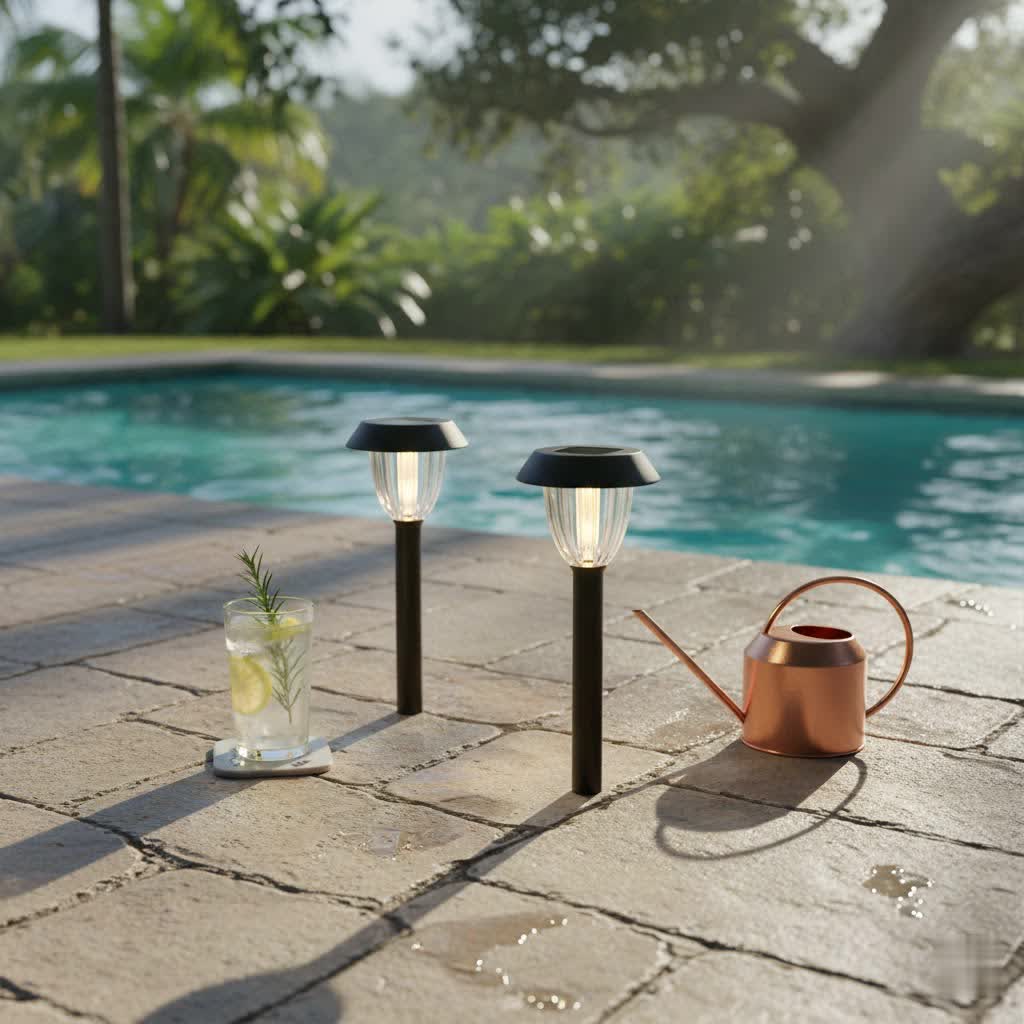
- Solar Pathway Lights: These are typically low-profile fixtures designed to line walkways, driveways, and garden paths. They provide a soft, ambient glow, enhancing visibility and guiding guests safely. Pathway lights usually emit 5-15 lumens, making them ideal for subtle illumination and defining boundaries. They are incredibly easy to install, often just requiring a stake pushed into the ground.
- Solar Spotlights: Offering a more focused and intense beam, spotlights are perfect for highlighting specific features like trees, sculptures, architectural details, or garden beds. With brightness levels typically ranging from 50 to 200 lumens or more, they can also serve a security function by illuminating darker corners of your property. Spotlights are versatile, often coming with ground stakes or mounting options for walls and fences.
- Solar Floodlights: Designed to illuminate larger areas than spotlights, floodlights cast a broad, powerful beam. They are excellent for general area lighting, security, or lighting up expansive parts of your yard, driveway, or patio. These are generally the brightest solar options, providing significant coverage.
- Solar Decorative and Accent Lights: This broad category encompasses a variety of styles focused on aesthetics rather than high illumination.
- Solar Lanterns: Portable or hanging lights that add a charming, often rustic or modern, touch to patios, pergolas, or garden hooks.
- Solar String Lights: Perfect for creating a festive or cozy ambiance in outdoor dining areas, gazebos, or along fence lines.
- Solar Post Lights: Designed to sit atop fence posts, deck posts, or pillars, offering both light and an elegant finish.
- Solar Wall-Mounted Lights: Attach directly to exterior walls, fences, or sheds, often featuring motion sensors for security or downward-facing light for subtle illumination.
- Solar In-Ground/Disk Lights: Flat, flush-mounted lights that blend seamlessly into pathways or lawns, providing subtle uplighting or path demarcation.
|
Our Picks for the Best Solar Lights in 2026
As an Amazon Associate I earn from qualifying purchases.
|
||
| Num | Product | Action |
|---|---|---|
| 1 | LETMY Solar Pathway Lights Outdoor, 10 Pack Solar Lights Outdoor Waterproof, Auto On/Off Solar Powered Garden Landscape Path Lights, Outdoor Solar Lights for Yard Lawn Patio Walkway Driveway |

|
| 2 | Solar Lantern Outdoor Waterproof, Metal Butterfly, Hummingbirds, Dragonflies, Frogs, Turtles, Flowers, Mushrooms, Garden Decor for Yard, Patio, Lawn, Porch, Backyard, Gifts for Women |
|
| 3 | NYMPHY Solar Lights Outdoor Waterproof IP68, 56 LED 3 Lighting Modes Solar Powered Garden Yard Spot Solar Lights for Outside Landscape- 4 Pack (Cool White) |
|
| 4 | [6 Packs] Solar Motion Sensor Outdoor Lights, Super Bright Solar Lights Outdoor Waterproof, 3 Lighting Modes Security Wall Light for Outside Walking Dog Fence Backyard Deck Garden Door Step Garage |
|
| 5 | Tuffenough Solar Outdoor Lights 2500LM 210 LED Security Lights with Remote Control,3 Heads Motion Sensor Lights, IP65 Waterproof,270° Wide Angle Flood Wall Lights with 3 Modes(2 Packs) |
|
| 6 | Solar Fence Lights Outdoor - 2700/4000/6000K 3 Mode, Waterproof LED, Fence Light Solar Powered for Outside, Backyard/Railing/Step/Patio/Wall and Home Improvement(8 Pack) |
|
| 7 | ALEPOD Solar Pathway Lights Outdoor - 8 Pack Solar Powered Garden Lights Waterproof IP65, Decor Landscape Lighting with Three Lighting Modes for Yard, Lawn, Walkway, Driveway, Warm White |
|
| 8 | Solar Motion Lights Outdoor, Ultra Bright Solar Fence Lights with Motion Sensor, IP65 Waterproof Security Light 3 Modes, 270° Lighting Angle, Wall Lights for Deck Patio Fence Garage Door (6 Packs) |
|
| 9 | Aootek New Solar Motion Sensor Lights 120 LEDs with Lights Reflector,270° Wide Angle, IP65 Waterproof, Step Lights for Front Door, Yard, Garage, Deck (Black, Daylight White, 6-Pack) |
|
| 10 | addlon 54(48+6) FT Solar String Lights Waterproof,Patio Lights Solar Powered with Remote & USB Port 15+1 LED Shatterproof Bulbs 3 Light Modes, Dimmable Solar Light for Camping Backyard Garden |
|
Each type serves a unique role in layering your outdoor lighting, allowing you to create a functional, beautiful, and inviting landscape.
Comparing Top-Rated Solar Landscape Lights
While specific brand models frequently update, the characteristics that define top-performing solar landscape lights remain consistent across the market. Quality, durability, brightness, and battery life are paramount.
How do leading solar landscape light options compare in terms of key features?
The best solar landscape lights distinguish themselves through robust construction, efficient solar panels, long-lasting batteries, and reliable performance in various weather conditions, offering superior brightness and extended run times compared to their less effective counterparts.
Many top-rated solar lights, regardless of brand, feature high-efficiency monocrystalline solar panels for faster charging, even on partially cloudy days. They often incorporate rechargeable lithium-ion batteries, known for their longevity and higher capacity, ensuring the lights remain illuminated for 8-12 hours on a full charge. Durability is another hallmark, with superior models utilizing rust-resistant metals like aluminum or stainless steel, and high-grade glass or durable plastic lenses, often boasting an IP65 or higher waterproof rating. Advanced features like multiple lighting modes (dim, bright, motion-activated), adjustable heads, and easy installation stakes or mounting hardware are also common.
“The true measure of a solar light’s quality isn’t just its immediate brightness, but its consistent performance night after night, especially through varied weather conditions. Look for robust construction and dependable battery technology.” – Alex Chen, Landscape Lighting Expert
Detailed Feature Comparison
Here’s a general comparison of features you might find across different categories of highly-rated solar landscape lights:
| Feature | Pathway Light (Good Quality) | Spotlight (High Performance) | Decorative Lantern (Premium) |
|---|---|---|---|
| Brightness | Low (5-20 Lumens) | High (100-300+ Lumens) | Moderate (20-50 Lumens) |
| Run Time (Full Charge) | 8-12 Hours | 6-10 Hours (can vary with mode) | 6-8 Hours |
| Battery Type | NiMH / Lithium-ion | Lithium-ion | NiMH / Lithium-ion |
| Solar Panel | Polycrystalline | Monocrystalline | Polycrystalline |
| Material | Durable Plastic / Stainless Steel | Aluminum Alloy / Tempered Glass | Metal / Glass |
| Water Resistance (IP Rating) | IP44 – IP65 | IP65 – IP67 | IP44 – IP65 |
| Features | Auto On/Off, Warm/Cool White | Multiple Modes, Motion Sensor, Adjustable Head | Ambient Glow, Flickering Effect |
How to Choose the Best Solar Landscape Lights
Selecting the right solar landscape lights involves careful consideration of several factors to ensure they meet your specific needs and expectations.
What key factors should you consider when choosing solar landscape lights?
When choosing solar landscape lights, prioritize your lighting purpose, local sunlight conditions, desired brightness, battery and solar panel quality, and the product’s overall durability and aesthetic appeal.
-
Define Your Lighting Needs and Purpose:
- Are you looking for ambient lighting to enhance your garden’s beauty? (Pathway, Decorative)
- Do you need functional light for safety and navigation along walkways? (Pathway, Disk)
- Is security a primary concern, requiring brighter, focused illumination? (Spotlight, Floodlight, Motion Sensor)
- Do you want to highlight specific architectural features or landscaping elements? (Spotlight)
Clearly defining the purpose will narrow down the types of lights you need.
-
Assess Sunlight Availability:
- Solar lights require direct sunlight to charge their batteries effectively. Most need 6-8 hours of direct sun daily.
- Observe your chosen installation spots throughout the day. If an area is consistently shady, consider lights with remote solar panels that can be placed in a sunnier location. Poor charging leads to dim lights and short run times.
-
Brightness (Lumens) and Coverage:
- Brightness is measured in lumens. Pathway lights typically range from 5-20 lumens for a soft glow, while spotlights or floodlights can offer 50-300+ lumens for more intense illumination.
- Consider the size of the area you want to illuminate and the desired effect. Too few lumens might be ineffective; too many could create harsh glare.
-
Battery Quality and Run Time:
- The type and capacity (mAh) of the rechargeable battery directly impact how long the light stays on after dark. Lithium-ion batteries generally offer better performance and lifespan than NiMH.
- Look for lights advertised with 8-12 hours of run time on a full charge, especially if you need them to last through the entire night. Higher capacity batteries are crucial for consistent performance.
-
Solar Panel Efficiency:
- Monocrystalline panels are generally more efficient, converting more sunlight into electricity even in lower light conditions. Polycrystalline panels are also good but slightly less efficient. High-quality panels ensure quicker and more complete charging.
-
Durability and Weather Resistance (IP Rating):
- Outdoor lights are exposed to the elements. Choose models made from durable materials like stainless steel, aluminum, or high-grade ABS plastic that resist rust and corrosion.
- Check the IP (Ingress Protection) rating. An IP44 rating protects against splashes, while IP65 or higher indicates protection against jets of water and dust, making them suitable for harsher weather.
-
Material and Aesthetics:
- The design and materials should complement your home’s exterior and landscaping. Do you prefer a modern, sleek look, or something more traditional?
- Consider glass lenses for clearer light output and a premium feel, though good quality plastic can also be very durable.
-
Additional Features:
- Motion Sensors: Excellent for security lights, saving battery power, and providing light only when needed.
- Multiple Lighting Modes: Allows you to switch between brightness levels or light colors (e.g., warm white, cool white, color-changing).
- On/Off Switches: Useful for conserving battery life during periods you don’t need illumination or for seasonal storage.
- Adjustable Heads: For spotlights, this allows you to direct the light precisely where you want it.
By carefully evaluating these factors, you can make an informed decision and invest in solar landscape lights that perfectly align with your outdoor lighting vision.
Tips for Using and Maintaining Solar Landscape Lights
Proper installation and routine maintenance are key to maximizing the efficiency and lifespan of your solar landscape lights.
What are the best practices for installing, using, and maintaining solar landscape lights?
To ensure optimal performance, install solar lights in areas receiving ample direct sunlight, regularly clean their solar panels, and periodically check or replace batteries to extend their overall lifespan.
- Optimal Placement for Charging: Always install solar lights in locations that receive at least 6-8 hours of direct, unobstructed sunlight daily. Shaded areas will significantly reduce their charging capacity and nighttime run time.
- Initial Charge: Before first use, allow your new solar lights to charge for 1-2 full days in direct sunlight with the “ON” switch activated, even if they appear to work right out of the box. This ensures the battery reaches its full capacity.
- Regular Cleaning of Solar Panels: Dirt, dust, leaves, and snow can accumulate on solar panels, hindering their ability to absorb sunlight. Gently wipe the panels clean with a damp cloth every few weeks or as needed.
- Battery Maintenance: Most solar light batteries (NiMH or Lithium-ion) are rechargeable but have a finite lifespan, typically 1-3 years. If your lights become dim or stop working, try replacing the battery with a new, high-quality rechargeable battery of the same type and capacity.
- Ensure Stability: For stake-mounted lights, ensure the stake is firmly inserted into the ground to prevent leaning or falling, especially in windy conditions. For wall-mounted lights, use appropriate hardware for secure attachment.
- Seasonal Storage: In regions with harsh winters or prolonged periods of minimal sunlight, consider bringing decorative solar lights indoors. Clean them thoroughly and store them in a cool, dry place to protect the batteries and components.
- Troubleshooting Common Issues:
- Light not turning on: Check if the “ON” switch is activated. Ensure the solar panel is clean and receiving direct sunlight. The battery might need replacement.
- Light is dim or short run time: Insufficient charging due to shade, dirty panel, or old battery.
- Water in light housing: Check for cracks or loose seals, ensure IP rating is appropriate for your climate.
By following these simple tips, your solar landscape lights will provide reliable, beautiful illumination for years to come.
The Undeniable Benefits of Using Solar Landscape Lights
Beyond just providing light, solar landscape lights offer a myriad of advantages that make them a smart choice for any homeowner.
What are the primary advantages of incorporating solar landscape lights into your outdoor design?
The main advantages of solar landscape lights include significant energy cost savings, environmental friendliness, effortless installation, enhanced safety and security, and a notable boost to your property’s aesthetic appeal.
- Significant Cost Savings: One of the most compelling benefits is the elimination of electricity bills associated with outdoor lighting. Once installed, solar lights operate entirely free, powered by the sun. This translates to substantial savings over their lifespan, especially compared to traditional wired lighting.
- Environmentally Friendly: Utilizing renewable solar energy, these lights reduce your carbon footprint and reliance on fossil fuels. They are a clean energy solution, contributing to a more sustainable lifestyle and a healthier planet.
- Easy and Flexible Installation: Solar lights require no wiring or trenching, making installation incredibly simple. Most designs are stake-mounted or come with easy mounting hardware, allowing for quick setup and flexible placement. You can rearrange them as your landscaping evolves without needing an electrician.
- Enhanced Safety and Security: Well-lit pathways prevent trips and falls, making your outdoor spaces safer for family and guests. Brighter solar spotlights and motion-activated floodlights can deter potential intruders, adding a layer of security to your home.
- Increased Aesthetic Appeal and Curb Appeal: Solar lights beautifully highlight garden features, architectural details, and pathways, creating a warm, inviting, and sophisticated ambiance. They elevate your home’s visual appeal after dark, enhancing its overall value and charm.
- Automatic Operation: Most solar lights feature a dusk-to-dawn sensor, automatically turning on when it gets dark and off when the sun rises. This hands-free operation is convenient and energy-efficient.
Embracing solar landscape lights is not just an upgrade to your outdoor illumination; it’s an investment in convenience, sustainability, and the beauty of your home.
Comprehensive Buying Guide: Investing in the Best Solar Landscape Lights
Making a smart purchase requires aligning your budget, specific needs, and an understanding of what constitutes a reputable product.
How can you make an informed decision when budgeting and selecting solar landscape lights based on your specific needs and brand reputation?
To make an informed choice, define your budget and needs (e.g., ambiance, security), then select lights that offer the best balance of features, durability, and performance within your price range, prioritizing brands known for quality materials and reliable warranties.
Budget Expectations:
Solar landscape lights are available across a wide price spectrum, generally correlating with material quality, brightness, and feature sets.
- Entry-Level (Budget-Friendly): These typically feature plastic construction, basic LED bulbs, and smaller solar panels. They are great for small accents or defining pathways with a soft glow but may have shorter run times and less durability. Pros: Very affordable, easy to replace. Cons: Lower brightness, shorter lifespan, less robust against weather.
- Mid-Range: Offering a balance of cost and quality, these lights often use a mix of durable plastic and metal, provide improved brightness, and have better battery life. They are suitable for most general pathway and garden accent lighting. Pros: Good value, better performance and durability than budget options. Cons: May not have advanced features or the longest lifespan.
- High-End (Premium): These represent the best in solar lighting, featuring robust metal (aluminum, stainless steel) and glass construction, highly efficient monocrystalline panels, large capacity lithium-ion batteries, and often advanced features like motion sensors, multiple modes, and adjustable optics. They offer superior brightness, extended run times, and exceptional durability. Pros: Excellent performance, long lifespan, premium aesthetics, best weather resistance. Cons: Higher upfront cost.
Usage Needs:
Your specific application should dictate the type and quantity of lights.
- Garden Ambiance: Focus on decorative lights like solar lanterns, fairy lights, or low-lumen pathway lights to create a warm, inviting glow among plants and seating areas.
- Pathway Illumination: Choose robust pathway lights with sufficient lumens (10-20 per light) spaced evenly to guide foot traffic safely. Disk lights or traditional stake lights work well here.
- Highlighting Features: Solar spotlights are essential for drawing attention to trees, statues, or architectural elements, providing a focused beam.
- Security Lighting: Prioritize bright solar floodlights or spotlights, especially those with motion sensors, to deter unwanted visitors and illuminate dark zones.
Reputable Brands:
While I cannot list specific brands from the search results, generally, a reputable brand will:
- Offer Clear Specifications: Provide detailed information on lumens, battery capacity (mAh), solar panel type, and IP rating.
- Use Quality Materials: Utilize durable metals, high-grade plastics, and reliable electronics.
- Provide a Warranty: A 1-2 year warranty is a good indicator of a manufacturer’s confidence in their product.
- Have Positive Reviews: Look for consistent positive feedback regarding performance, durability, and customer service.
“A well-chosen solar light balances aesthetic desire with practical performance. Don’t compromise on battery quality or IP rating, especially if you expect them to last in challenging climates.” – Emily White, Outdoor Living Designer
Conclusion
Embracing the best solar landscape lights is a decision that pays dividends in beauty, functionality, and sustainability for your outdoor living spaces. From illuminating winding pathways to accentuating prized garden features or enhancing home security, the versatility and efficiency of solar-powered options are unmatched. By understanding the different types, prioritizing key features like brightness and durability, and following simple maintenance practices, you can confidently select the perfect solar lights to realize your outdoor vision.
Ready to transform your yard with the power of the sun? What hidden corners of your landscape are waiting to be brought to life by the perfect glow?
Frequently Asked Questions
How long do solar landscape lights typically last?
Most solar landscape lights are designed to last for several years. The LED bulbs can last 50,000 hours or more, while the rechargeable batteries usually need replacing every 1-3 years depending on quality and usage. The lifespan of the fixture itself depends on the material quality and weather exposure.
Do solar lights work in winter or on cloudy days?
Solar lights can work in winter and on cloudy days, but their performance may be reduced. Cloudy weather or shorter daylight hours mean less sunlight for charging, resulting in dimmer lights or shorter run times. High-efficiency solar panels and larger batteries help mitigate this effect.
Can I replace the batteries in my solar landscape lights?
Yes, most solar landscape lights allow for battery replacement. It’s recommended to use rechargeable batteries of the same type (e.g., NiMH or Lithium-ion) and capacity (mAh) to ensure optimal performance. Regularly checking and replacing old batteries can significantly extend the light’s life.
What is an IP rating, and why is it important for solar lights?
An IP (Ingress Protection) rating indicates a light’s resistance to solids (like dust) and liquids (like water). For outdoor solar lights, an IP44 rating protects against splashes, while IP65 or higher provides stronger protection against rain and dust, crucial for durability in various weather conditions.
How many lumens do I need for solar pathway lights?
For solar pathway lights, a brightness of 5-20 lumens per light is typically sufficient. This range provides a soft, ambient glow that effectively outlines pathways and adds atmosphere without being overly bright or creating glare. For security or highlighting, you’d need higher lumen counts.
