Transforming your outdoor living area into a captivating haven doesn’t have to be a complex or costly endeavor. Hanging solar lights offer an elegant, eco-friendly, and highly versatile solution, effortlessly bringing warmth, ambiance, and functionality to any garden, patio, or balcony. Gone are the days of tangled wires and hefty electricity bills; modern hanging solar lights harness the sun’s power to provide illumination from dusk till dawn, redefining convenience and style for your exterior spaces.
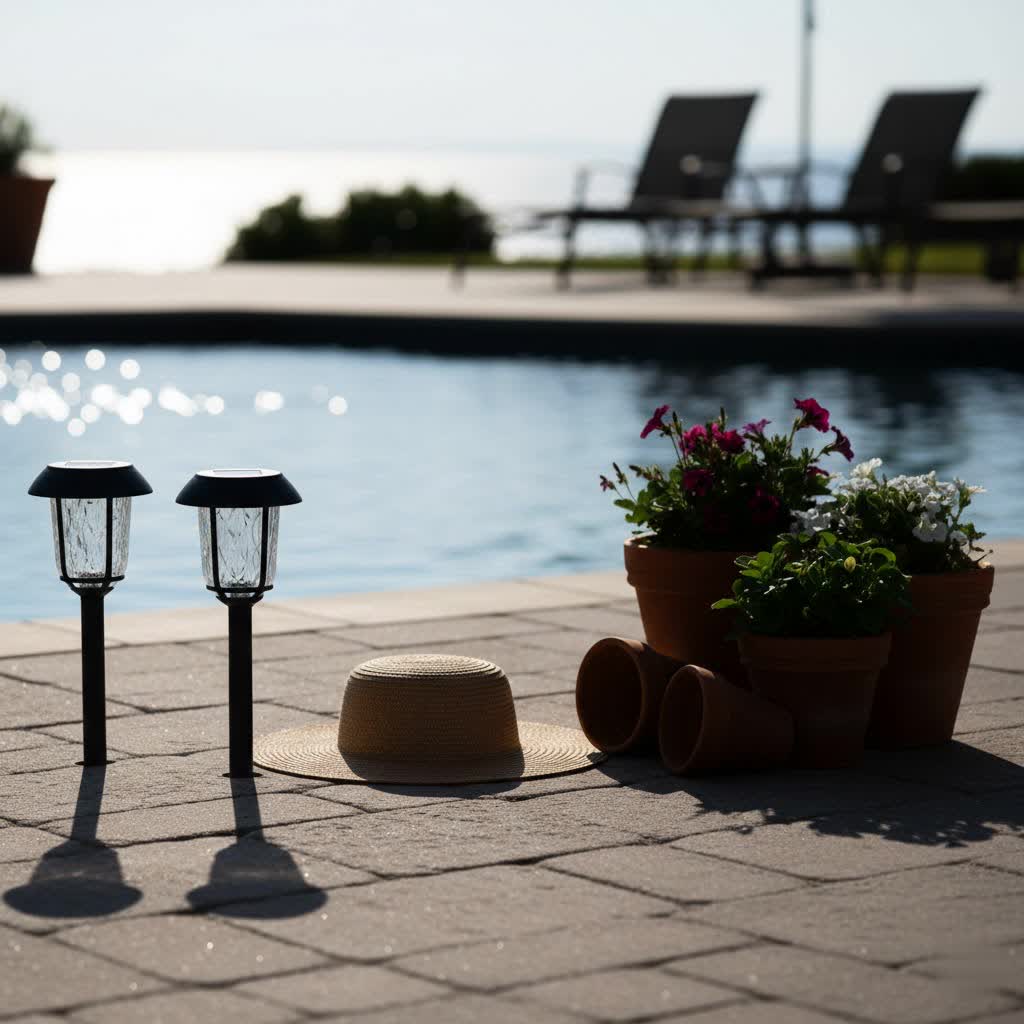
Popular Types of Hanging Solar Lights
Hanging solar lights come in a diverse array of styles and functionalities, each designed to cater to different aesthetic preferences and lighting needs. Understanding the various types available can help you select the perfect illumination for your unique outdoor setting.
- Solar Lanterns: These are perhaps the most popular type, encompassing a wide range of designs.
- Flickering Flame Lanterns mimic the warm, dancing glow of a real fire, adding a rustic or romantic touch. They are often crafted from metal with intricate designs.
- Moroccan and Globe Lanterns feature detailed cut-out patterns or spherical shapes, casting beautiful shadows and creating an exotic or whimsical atmosphere.
- Crackle Glass Lanterns utilize textured glass to diffuse light in a sparkling, decorative manner, perfect for ambient lighting.
- Mason Jar Lanterns offer a charming, DIY-inspired look, often housing fairy lights to create a soft, magical glow. They are popular for casual gatherings and decorative accents.
- Solar String Lights: These flexible lighting solutions are ideal for draping across pergolas, fences, or tree branches, creating a festive or cozy ambiance.
- Edison-style String Lights feature vintage-inspired bulbs that provide a warm, inviting glow, perfect for bistro-style settings.
- Fairy Lights and Starburst Lights consist of numerous small LEDs on thin wires, offering a delicate, enchanting twinkle that can be wrapped around objects or hung in clusters.
- Solar Pendant Lights: Designed to hang individually, often with a more focused light, these can serve as accent lighting or provide more direct illumination over outdoor tables or seating areas.
Each type brings its own charm, from purely decorative accents to more functional lighting, making hanging solar lights a dynamic choice for any outdoor space.
Comparing Top Hanging Solar Light Brands and Models
When evaluating hanging solar lights, several key features distinguish top-performing models. We’ve assessed various popular options based on brightness, runtime, battery capacity, weatherproofing, material, design, and warranty to give you a clearer picture.
| Feature | TomCare Flickering Flame | Pearlstar Retro | Roshwey Crackle Globe | Maggift Pathway Lantern | Kaixoxin Pattern Light |
|---|---|---|---|---|---|
| Brightness (Lumens) | 25 | 30 | 60 | 4 | 7 |
| Runtime (Hours) | Up to 10 | Up to 10 (often 3-4) | Up to 10 | Up to 10 | Up to 12 |
| Battery Capacity | N/A | 600mAh | 1600mAh | 300mAh | 600mAh |
| Weatherproofing | IP65 | IP44 | IP65 | IP44 | IPX4 |
| Material | Metal | ABS Plastic | Glass | ABS Plastic | Metal |
| Design | Realistic Flickering Flame | Retro Matte Black | Crackle Glass Globe | Classic Lantern | Cut-out Pattern |
| Warranty | 1 Year | 6 Months | 6 Months | 30 Days | 1 Year |
- TomCare Metal Flickering Flame Solar Lanterns: Known for their realistic dancing flame effect and durable metal construction, these lanterns provide up to 10 hours of light after 8 hours of charging. Their IP65 rating ensures excellent weather resistance.
- Pearlstar Hanging Solar Lights: These offer a distinct retro, matte black finish. While advertised for up to 10 hours, their solar panel efficiency might lead to shorter runtimes of 3-4 hours. They provide 30 lumens of brightness and a 6-month warranty.
- Roshwey Solar Globe Lanterns: Featuring beautiful crackle glass and a rope handle, these lanterns emit a cozy, warm yellow light at 60 lumens. With a 1600mAh battery, they can last up to 10 hours after just 6 hours of sun and boast an IP65 weatherproof rating.
- Maggift Hanging Solar Lights: Ideal for pathways, these classic lantern-shaped lights come with shepherd hooks. They offer subtle 4-lumen lighting for up to 10 hours, though their plastic construction and IP44 rating make them less durable in harsh weather.
- Kaixoxin Solar Lantern Lights: These metal lanterns project unique, eye-catching patterns. Despite a lower brightness of 7 lumens, their 600mAh battery allows for up to 12 hours of operation after 7 hours of charging. They are lightweight with an IPX4 rating.
When choosing, consider what balance of features, such as brightness for functionality versus design for ambiance, best suits your needs.
How to Choose the Right Hanging Solar Lights
Selecting the ideal hanging solar lights involves more than just picking a pretty design. Several technical specifications and practical considerations will ensure your lights meet your expectations for performance and longevity.
Brightness & Light Temperature
The light output of solar lights is measured in lumens; a higher lumen count means a brighter light. For ambient lighting, 5-30 lumens might suffice, while functional lighting could require 50-200 lumens or more. Light temperature, measured in Kelvins (K), determines the color of the light:
- Warm White (2500-3500K): Creates a cozy, yellowish glow, perfect for relaxing areas.
- Natural White (3500-4500K): Offers a cleaner, brighter look.
- Cool White (4500-5500K): Has a modern, bluish tint.
|
Our Picks for the Best Solar Lights in 2026
As an Amazon Associate I earn from qualifying purchases.
|
||
| Num | Product | Action |
|---|---|---|
| 1 | Aootek New Solar Motion Sensor Lights 120 LEDs with Lights Reflector,270° Wide Angle, IP65 Waterproof, Step Lights for Front Door, Yard, Garage, Deck (Black, Daylight White, 6-Pack) |

|
| 2 | LETMY Solar Pathway Lights Outdoor, 10 Pack Solar Lights Outdoor Waterproof, Auto On/Off Solar Powered Garden Landscape Path Lights, Outdoor Solar Lights for Yard Lawn Patio Walkway Driveway |
|
| 3 | Solar Fence Lights Outdoor - 2700/4000/6000K 3 Mode, Waterproof LED, Fence Light Solar Powered for Outside, Backyard/Railing/Step/Patio/Wall and Home Improvement(8 Pack) |
|
| 4 | NYMPHY Solar Lights Outdoor Waterproof IP68, 56 LED 3 Lighting Modes Solar Powered Garden Yard Spot Solar Lights for Outside Landscape- 4 Pack (Cool White) |
|
| 5 | [6 Packs] Solar Motion Sensor Outdoor Lights, Super Bright Solar Lights Outdoor Waterproof, 3 Lighting Modes Security Wall Light for Outside Walking Dog Fence Backyard Deck Garden Door Step Garage |
|
| 6 | Solar Motion Lights Outdoor, Ultra Bright Solar Fence Lights with Motion Sensor, IP65 Waterproof Security Light 3 Modes, 270° Lighting Angle, Wall Lights for Deck Patio Fence Garage Door (6 Packs) |
|
| 7 | ALEPOD Solar Pathway Lights Outdoor - 8 Pack Solar Powered Garden Lights Waterproof IP65, Decor Landscape Lighting with Three Lighting Modes for Yard, Lawn, Walkway, Driveway, Warm White |
|
| 8 | Tuffenough Solar Outdoor Lights 2500LM 210 LED Security Lights with Remote Control,3 Heads Motion Sensor Lights, IP65 Waterproof,270° Wide Angle Flood Wall Lights with 3 Modes(2 Packs) |
|
| 9 | Solar Lantern Outdoor Waterproof, Metal Butterfly, Hummingbirds, Dragonflies, Frogs, Turtles, Flowers, Mushrooms, Garden Decor for Yard, Patio, Lawn, Porch, Backyard, Gifts for Women |
|
| 10 | addlon 54(48+6) FT Solar String Lights Waterproof,Patio Lights Solar Powered with Remote & USB Port 15+1 LED Shatterproof Bulbs 3 Light Modes, Dimmable Solar Light for Camping Backyard Garden |
|
For most outdoor spaces, warm white is recommended for its inviting atmosphere.
Battery Capacity & Runtime
The battery capacity (measured in mAh) and runtime (how long the light stays on) are crucial. A larger battery capacity generally means longer illumination. Look for lights that can provide a solid 6-8 hours of light after a full charge, ensuring your space remains lit throughout the evening.
Solar Panel Efficiency & Charging Time
The charging time refers to how many hours of direct sunlight the solar panels need to fully charge the battery. Efficient solar panels convert sunlight into power faster, which is vital on cloudy days or during winter with less daylight. Opt for lights with high-efficiency solar panels and a substantial battery capacity to ensure quick charging and extended illumination.
Material & Durability
The material affects both weight and longevity. Metal lanterns offer timeless charm and sturdiness, especially in breezy conditions, but require secure fastening. Plastic or synthetic materials are lighter and easier to hang but may not be as elegant or durable as metal options in harsh weather.
Weatherproofing (IP Rating)
Since these lights are for outdoor use, weatherproofing is essential. The IP (Ingress Protection) rating indicates protection against solids (dust) and liquids (water).
- IP44: Protected against solid objects over 1mm and splashing water.
- IP65: Dust-tight and protected against low-pressure water jets from any direction.
For outdoor setups, an IP65 rating is highly recommended to withstand rain and substantial weather conditions.
Size & Design
Consider the size of the lantern relative to your outdoor space. A large area might benefit from 15-20 inch tall lanterns, while a small balcony could suit 6-10 inch ones. The design should complement your existing outdoor aesthetic, whether you prefer a retro, modern, rustic, or whimsical look.
Warranty
A good warranty indicates a manufacturer’s confidence in their product. Aim for options with at least a 1-year warranty or a 30-day money-back guarantee for peace of mind.
Installation and Maintenance Tips for Hanging Solar Lights
Proper installation and regular maintenance are key to maximizing the performance and lifespan of your hanging solar lights.
Choosing the Right Location
The most critical step is selecting a spot that receives ample direct sunlight for at least 6-8 hours a day. Avoid shaded areas created by overhanging trees, buildings, or other structures, as this will hinder the solar panel’s ability to charge effectively.
Simple Installation Steps
Hanging solar lights are generally easy to install, requiring minimal tools and expertise:
- Test the Lights: Before installation, it’s wise to test your solar lights to ensure they are working properly. Allow them to charge in direct sunlight for a day, then check if they illuminate at dusk.
- Mounting Points: Identify suitable points like pergola beams, fence posts, tree branches, or wall hooks.
- Secure Hanging: Depending on the light and mounting point, use appropriate hardware such as hooks, screws, clips, or zip ties to secure them. For string lights, ensure enough slack to prevent tension.
- Position the Solar Panel: If the solar panel is separate from the light fixture, position it where it will receive maximum sunlight, ideally facing south and tilted for optimal exposure.
Regular Cleaning
Dust, dirt, and debris can accumulate on solar panels, significantly reducing their charging efficiency. Regularly wipe the solar panels with a soft cloth to keep them clean and clear. Periodically inspect the light’s components for any signs of wear or damage.
Battery Replacement
Over time, the rechargeable batteries within solar lights may lose their capacity to hold a charge, leading to dimming lights or shorter runtimes. If you notice this, it may be time to replace the batteries. Ensure you use high-quality replacement batteries that match the original voltage and size. Most solar lantern batteries last for about 500 charge cycles, typically around 2 years before needing replacement.
Troubleshooting Common Issues
- Poor Illumination/Light Not Turning On: This often indicates inadequate charging. Double-check that the solar panel is clean and receives sufficient direct sunlight.
- Short Battery Life: May require battery replacement if the lights are older, or better solar panel placement if newly installed.
The Benefits of Using Hanging Solar Lights
Embracing hanging solar lights offers a multitude of advantages beyond just aesthetic appeal, making them a smart choice for any homeowner.
- Cost Savings & Energy Efficiency: Powered entirely by the sun, these lights eliminate electricity costs, providing free illumination year-round. They are an excellent way to reduce your household’s energy consumption.
- Environmental Friendliness: By utilizing renewable solar energy, hanging solar lights reduce your carbon footprint and reliance on fossil fuels, contributing to a greener planet.
- Ease of Installation and Versatility: With no wiring required, installation is typically a simple DIY task. Their portability and diverse designs allow for flexible placement, enhancing various areas from gardens and patios to decks and even campsites.
- Enhanced Ambiance and Security: They create a welcoming and serene atmosphere for outdoor entertaining or relaxation. Strategically placed, they can also improve visibility and deter intruders, adding an extra layer of security to your property.
- Aesthetic Appeal: From vintage lanterns to modern string lights, hanging solar lights add significant decorative value, transforming ordinary outdoor spaces into enchanting, personalized environments.
Buying Guide: Making Your Investment Count
To ensure you make an informed decision and get the most out of your hanging solar lights, consider these additional factors.
Budget Considerations
- Entry-Level (Under $20-30): Often made of plastic with lower lumen output and shorter warranties. Good for basic decorative accents in mild climates.
- Mid-Range ($30-70): Offers a better balance of material quality (metal accents, better plastics), higher brightness, improved weatherproofing (IP65), and longer runtimes. Suitable for most common outdoor applications.
- Premium ($70+): Features high-quality materials (metal, thick glass), advanced solar technology, superior brightness and runtime, sophisticated designs, and extended warranties. Ideal for those seeking maximum durability, performance, and aesthetic impact.
Application-Specific Needs
- Decorative Lighting: If your primary goal is ambiance, focus on design, light temperature (warm white for coziness), and unique patterns (e.g., Moroccan lanterns, fairy lights). Brightness might be less critical.
- Functional Lighting: For illuminating pathways, steps, or entryways, prioritize higher lumens, consistent runtime, and robust weatherproofing. Motion-sensor options might be considered for security, although typically seen in wall-mounted or spot lights.
- Outdoor Events/Parties: String lights and mason jar lights are excellent for creating a festive mood, offering easy setup and portability.
Trusted Brands
While many brands exist, look for those with positive customer reviews, clear product specifications, and accessible customer support. Companies that offer transparent warranty policies and good post-purchase service often indicate a more reliable product. Remember, the goal is not just to buy lights, but to invest in long-lasting, effective outdoor illumination.
Conclusion
Hanging solar lights are an exceptional choice for anyone looking to enhance their outdoor spaces with beauty, functionality, and sustainability. They offer unparalleled ease of installation, operate without electricity costs, and contribute to an eco-friendly lifestyle. By considering factors such as brightness, battery life, weatherproofing, and design, you can confidently select the perfect solar lights to illuminate your garden, patio, or balcony. These versatile fixtures not only provide a warm, inviting glow but also boost safety and elevate the aesthetic appeal of your home’s exterior. Ready to brighten your nights? Which style of hanging solar lights will transform your outdoor oasis first?
Frequently Asked Questions
How long do hanging solar lights last?
The lifespan of hanging solar lights can vary, but typically, the fixtures themselves can last for several years. The rechargeable batteries, however, usually need replacement every 1 to 2 years, or after about 500 charge cycles, to maintain optimal performance.
Can hanging solar lights be used indoors?
Yes, hanging solar lights can be used indoors, provided their solar panels receive sufficient direct sunlight during the day to charge. Some models have separate solar panels that can be placed outside while the light fixture remains indoors, offering more flexibility.
Do hanging solar lights need direct sunlight to charge?
While hanging solar lights can charge in indirect or shaded sunlight, they perform best and charge most effectively when exposed to 6-8 hours of direct sunlight daily. This ensures the battery fully charges and provides maximum illumination at night.
What is a good lumen for hanging solar lights?
A “good” lumen count depends on your purpose. For decorative ambiance, 5-30 lumens are often sufficient. If you need more functional lighting for pathways or general visibility, look for lights in the 50-200 lumen range.
How do I extend the life of my solar lights?
To extend the life of your solar lights, regularly clean their solar panels to ensure efficient charging, place them in areas receiving ample direct sunlight, and replace batteries when they begin to dim or hold less charge. Proper storage during extreme weather can also help.
