Imagine a beautifully lit garden, pathways safely guided, and favorite plants dramatically highlighted, all without the tangled wires, soaring electricity bills, or environmental guilt. Solar powered garden lights offer this dream, transforming any outdoor space into an inviting oasis with sustainable, cost-effective, and effortlessly installed illumination. This guide delves into everything you need to know about harnessing the sun’s energy to brighten your nights, ensuring you make the best choice for your unique outdoor sanctuary.
Different Types of Solar Powered Garden Lights
The versatility of solar technology has given rise to a diverse array of garden lighting solutions, each designed to meet specific aesthetic and functional needs. Understanding these types is the first step in creating your perfect outdoor lighting scheme.
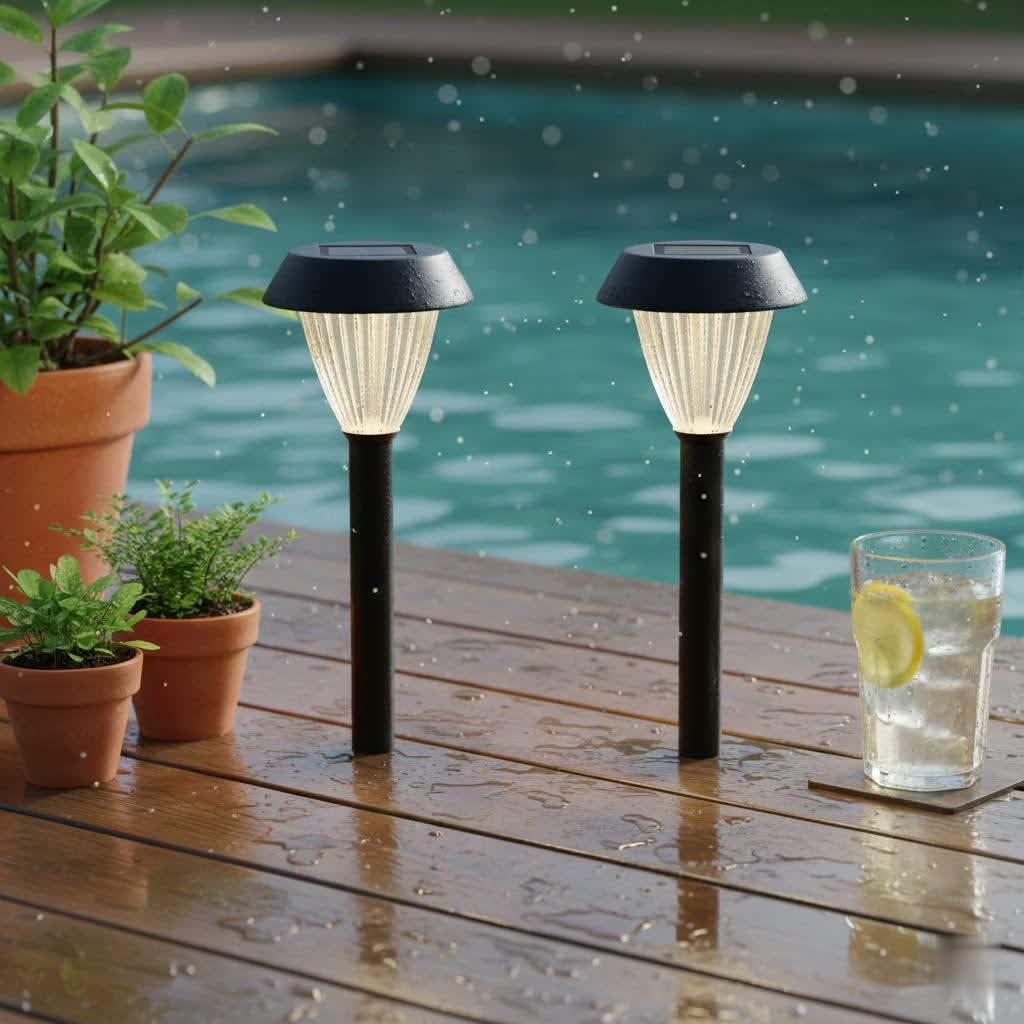
- Solar Pathway Lights: These are perhaps the most common, typically featuring a stake that pushes into the ground along walkways or driveways. They provide gentle, ambient light, enhancing safety and guiding visitors after dusk. Their main advantage is easy installation and flexible placement, though their brightness is usually lower, focusing more on guidance than intense illumination.
- Solar Spotlights: Designed for accentuating specific features, spotlights offer a more focused beam of light. They are ideal for highlighting trees, statues, architectural details, or garden beds. Many models come with adjustable heads and solar panels, allowing for precise aiming and optimal charging. Their intensity is generally higher than pathway lights, making them effective for dramatic effect or security.
- Solar String Lights and Fairy Lights: Perfect for creating a festive or whimsical ambiance, these lights consist of multiple small bulbs strung along a flexible cable. They can be draped across patios, pergolas, fences, or wrapped around trees and bushes. While primarily decorative, they add significant charm and warmth. Modern versions often include various lighting modes and even USB charging options for cloudy days.
- Solar Wall-Mounted Lights: These fixtures attach directly to walls, fences, or sheds, providing light for security, entryways, or general area illumination. Many incorporate motion sensors, turning on automatically when movement is detected, which is excellent for deterring intruders and conserving battery life. They offer a robust and often brighter lighting solution.
- Solar Post Cap Lights: Specifically designed to sit atop fence posts, deck posts, or pillars, these lights provide both upward and downward illumination, adding a sophisticated touch to boundaries and structures. They blend seamlessly with outdoor architecture and typically offer a warm, consistent glow.
- Solar Lanterns: Offering a blend of decorative appeal and portability, solar lanterns can be hung from hooks, placed on tables, or carried to different areas of the garden. They come in numerous styles, from classic to contemporary, adding a soft, inviting glow that enhances dining areas or seating arrangements.
Each type serves a distinct purpose, and a combination of these can create a layered and dynamic lighting design for your garden. The key is to match the light’s function with its intended application.
Comparing Solar Powered Garden Light Features
When evaluating solar garden lights, it’s crucial to look beyond just the price tag. Quality, durability, performance, and advanced features can vary significantly across brands and models. Instead of listing specific brands that constantly evolve, focus on these critical comparison points to make an informed decision:
- Brightness (Lumens): This indicates how much light the fixture emits. For subtle pathway lighting, 10-50 lumens might suffice. For accentuating features or providing security, look for spotlights or wall lights with 100-800+ lumens. Higher lumen counts generally mean brighter light.
- Runtime and Battery Capacity: A good solar light should provide 8-12 hours of illumination after a full day’s charge, especially in summer. This is directly tied to the battery’s capacity (measured in mAh or Ah) and the efficiency of the solar panel. Look for lights with larger, high-quality rechargeable batteries, often NiMH or Lithium-ion, for longer lasting performance.
- Durability and Weather Resistance (IP Rating): Outdoor lights are exposed to the elements. An Ingress Protection (IP) rating indicates how well a fixture is protected against solids (like dust) and liquids (water). For general garden use, IP44 offers protection against splashing water. For areas prone to heavy rain or powerful water jets, aim for IP65 or higher. The material quality also matters; aluminum and stainless steel offer greater longevity than cheap plastic.
- Solar Panel Efficiency: The size and quality of the solar panel directly impact charging speed and efficiency, especially during less sunny periods. Larger, monocrystalline panels tend to be more efficient. Some advanced lights even feature separate, adjustable solar panels that can be positioned for optimal sun exposure.
- Additional Features:
- Motion Sensors: Excellent for security lights, saving battery power by only illuminating when triggered.
- Multiple Lighting Modes: Offers versatility, from steady glow to flashing sequences, for different moods or occasions.
- Dusk-to-Dawn Sensors: Automatically turn lights on at dusk and off at dawn, ensuring hassle-free operation.
- Remote Control/Smart Features: Allows for convenient control of brightness, modes, or timers.
- USB Charging: A valuable backup for string lights or decorative lanterns, ensuring illumination even after prolonged cloudy weather.
- Value and Warranty: While a higher initial cost can be a drawback, it often translates to better components, superior performance, and extended lifespan. Look for products with clear warranties, as this indicates a manufacturer’s confidence in their product’s durability.
Essential Guide to Choosing Solar Powered Garden Lights
Selecting the perfect solar lights for your garden involves considering several key factors to ensure they meet both your functional and aesthetic requirements.
When choosing, first assess the desired brightness and coverage area. Pathway lights require a softer glow to guide steps, while spotlights need to be powerful enough to illuminate specific features effectively. Consider the runtime you need – if you want lights to last all night, prioritize models with high battery capacity and efficient solar panels.
Durability and weather resistance are paramount for outdoor products. Check the IP rating; IP65 is ideal for most climates, protecting against dust and heavy rain. Materials like robust ABS plastic, aluminum, or stainless steel will withstand the elements better than flimsy alternatives.
The placement of your lights is crucial. Solar panels need at least 6-8 hours of direct, unobstructed sunlight daily to charge efficiently. Avoid areas under dense tree canopies or shadowed by buildings. If your garden has limited direct sun, look for lights with remote solar panels or consider models with USB charging capabilities for supplemental power. Also, be mindful of any existing artificial light sources nearby, as they can trick the light sensor into not activating the solar light.
Finally, consider the design and aesthetic that complements your garden’s style. From sleek modern bollards to rustic lanterns or whimsical fairy lights, there’s a solar light design for every taste. Don’t forget any desired additional features like motion sensors for security, multiple lighting modes for ambiance, or adjustable heads for precise illumination.
Tips for Using and Maintaining Your Solar Powered Garden Lights
Maximizing the life and performance of your solar garden lights goes beyond just the initial purchase. Proper installation and consistent maintenance are key.
Installation Best Practices
- Optimal Placement is Key: Choose a location that receives a minimum of 6-8 hours of direct sunlight each day. South-facing spots are generally ideal in the northern hemisphere. Avoid areas shaded by trees, shrubs, or buildings, and steer clear of other artificial light sources (like porch lights) that can interfere with the solar light’s dusk-to-dawn sensor.
- Initial Charge: Before their first use, allow your newly installed solar lights to charge in direct sunlight for 1-2 full days with the switch in the “ON” position. This ensures the internal battery reaches its maximum capacity.
- Secure Installation: For staked lights, soften hard ground with water before pushing the stakes in to prevent damage. For wall-mounted or post-mounted lights, use the appropriate screws and brackets, ensuring the solar panel faces upward and towards the sun.
- Space Appropriately: For pathway lighting, stagger lights for even illumination rather than placing them in a straight line. Experiment with spacing to find the desired brightness and coverage.
|
Our Picks for the Best Solar Lights in 2026
As an Amazon Associate I earn from qualifying purchases.
|
||
| Num | Product | Action |
|---|---|---|
| 1 | Solar Motion Lights Outdoor, Ultra Bright Solar Fence Lights with Motion Sensor, IP65 Waterproof Security Light 3 Modes, 270° Lighting Angle, Wall Lights for Deck Patio Fence Garage Door (6 Packs) |

|
| 2 | Tuffenough Solar Outdoor Lights 2500LM 210 LED Security Lights with Remote Control,3 Heads Motion Sensor Lights, IP65 Waterproof,270° Wide Angle Flood Wall Lights with 3 Modes(2 Packs) |
|
| 3 | LETMY Solar Pathway Lights Outdoor, 10 Pack Solar Lights Outdoor Waterproof, Auto On/Off Solar Powered Garden Landscape Path Lights, Outdoor Solar Lights for Yard Lawn Patio Walkway Driveway |
|
| 4 | Solar Fence Lights Outdoor - 2700/4000/6000K 3 Mode, Waterproof LED, Fence Light Solar Powered for Outside, Backyard/Railing/Step/Patio/Wall and Home Improvement(8 Pack) |
|
| 5 | ALEPOD Solar Pathway Lights Outdoor - 8 Pack Solar Powered Garden Lights Waterproof IP65, Decor Landscape Lighting with Three Lighting Modes for Yard, Lawn, Walkway, Driveway, Warm White |
|
| 6 | Aootek New Solar Motion Sensor Lights 120 LEDs with Lights Reflector,270° Wide Angle, IP65 Waterproof, Step Lights for Front Door, Yard, Garage, Deck (Black, Daylight White, 6-Pack) |
|
| 7 | addlon 54(48+6) FT Solar String Lights Waterproof,Patio Lights Solar Powered with Remote & USB Port 15+1 LED Shatterproof Bulbs 3 Light Modes, Dimmable Solar Light for Camping Backyard Garden |
|
| 8 | NYMPHY Solar Lights Outdoor Waterproof IP68, 56 LED 3 Lighting Modes Solar Powered Garden Yard Spot Solar Lights for Outside Landscape- 4 Pack (Cool White) |
|
| 9 | [6 Packs] Solar Motion Sensor Outdoor Lights, Super Bright Solar Lights Outdoor Waterproof, 3 Lighting Modes Security Wall Light for Outside Walking Dog Fence Backyard Deck Garden Door Step Garage |
|
| 10 | Solar Lantern Outdoor Waterproof, Metal Butterfly, Hummingbirds, Dragonflies, Frogs, Turtles, Flowers, Mushrooms, Garden Decor for Yard, Patio, Lawn, Porch, Backyard, Gifts for Women |
|
Maintenance for Longevity
- Regular Cleaning: Periodically wipe down the solar panels with a soft, damp cloth to remove accumulated dust, dirt, leaves, and debris. A clean panel absorbs sunlight more efficiently, leading to brighter and longer-lasting illumination. Clean the light fixtures (globes, lenses) as well to maintain optimal light output.
- Battery Management: Rechargeable batteries in solar lights typically last 1-2 years before their capacity diminishes. Most quality solar lights allow for easy battery replacement. Check for signs of corrosion around the battery terminals and replace batteries when you notice a significant reduction in runtime or brightness. Use NiMH rechargeable batteries with the correct voltage and mAh rating.
- Seasonal Adjustments: In winter, when daylight hours are shorter and the sun is lower in the sky, you might need to reposition lights or adjust the angle of separate solar panels to capture as much sunlight as possible. Consider storing more decorative or less essential lights indoors during harsh winter months to prolong their lifespan.
- Pruning: Keep surrounding vegetation trimmed to prevent leaves and branches from casting shadows on the solar panels.
Troubleshooting Common Issues
- Light not turning on or is dim:
- Ensure the switch is in the “ON” position.
- Verify the light receives adequate direct sunlight. Reposition if necessary.
- Clean the solar panel.
- Replace the battery if it’s old or appears corroded.
- Check for interference from nearby artificial light sources.
- Short runtime:
- This is often due to insufficient charging. Ensure maximum sun exposure.
- The battery might be nearing the end of its life and needs replacement.
- Consider seasonal changes; shorter winter days naturally lead to shorter runtimes.
The Undeniable Benefits of Solar Powered Garden Lights
Choosing solar lights for your garden offers a compelling blend of practical, economic, and environmental advantages that make them a standout choice for any homeowner.
The most immediately appealing benefit is the significant cost savings. Once installed, solar powered garden lights operate entirely free, drawing all their energy from the sun. This eliminates ongoing electricity bills that traditional wired lighting systems incur, offering long-term financial relief. Beyond your wallet, their environmental friendliness is a major draw. By harnessing renewable solar energy, these lights reduce your reliance on fossil fuels and significantly lower your carbon footprint, contributing to a healthier planet.
Ease of installation is another huge advantage. Since they are completely wireless, solar lights require no complicated wiring, trenching, or the services of an electrician. Most models can be set up in minutes by simply staking them into the ground or mounting them with basic tools, offering unparalleled flexibility in placement. This also translates to low maintenance once installed, with only occasional cleaning and battery replacement needed to keep them shining brightly.
Safety is also enhanced with solar lighting. The absence of electrical wires means there’s no risk of electrical hazards, making them ideal for areas where children or pets play, or near water features. Their versatility and aesthetic appeal are boundless; available in a vast array of designs, from practical pathway markers to enchanting decorative accents, they effortlessly enhance the beauty and ambiance of any outdoor space. Finally, the convenience of automatic dusk-to-dawn operation means you can set them and forget them, enjoying consistent, reliable illumination every evening without lifting a finger.
“Solar lighting technology has come a long way, offering incredible versatility and efficiency. The key is understanding your specific outdoor needs and matching them with the right light type and features for lasting satisfaction.” – Reviewtika.com Admin, Solar Lighting Technician Expert
Buying Guide for Solar Powered Garden Lights
Navigating the market for solar powered garden lights can feel overwhelming with the sheer number of options. This buying guide will help you narrow down your choices based on budget and specific needs.
Budget Expectations
- Entry-Level (Typically under $30 per light): This segment offers basic functionality, often suitable for temporary decorative purposes or very subtle accent lighting. They might feature plastic construction, lower brightness, and shorter runtimes. While budget-friendly, their durability and long-term performance might be limited. They’re a good starting point for those new to solar lighting or with minimal demands.
- Mid-Range (Approximately $30-$70 per light): Here, you’ll find a noticeable jump in quality. Lights in this category often feature more robust materials (like metal components), improved solar panels for better charging efficiency, enhanced brightness, and longer runtimes. They may also include additional features like motion sensors or multiple lighting modes. This range offers a great balance of performance, durability, and value for everyday garden use.
- Premium (Over $70 per light): For those seeking top-tier performance, superior durability, and advanced features, premium solar lights are the answer. These lights boast high-grade materials (e.g., heavy-duty stainless steel, cast aluminum), powerful and efficient solar panels, large-capacity batteries, and very bright illumination. Expect sophisticated designs, smart features, longer warranties, and exceptional longevity, making them a worthwhile investment for discerning homeowners.
Tailoring to Your Usage Needs
- Pathway and Safety Lighting: If your primary goal is to illuminate walkways, driveways, or steps for safety and guidance, focus on solar pathway lights. Look for models with consistent, even light distribution and a brightness level of around 10-50 lumens per light. Consider designs that are sturdy and resistant to incidental bumps.
- Ambiance and Decorative Lighting: For creating a cozy atmosphere on patios, highlighting garden features, or adding a festive touch, solar string lights, lanterns, and decorative spotlights are ideal. Here, aesthetic appeal, various lighting modes (e.g., flickering flame, color-changing), and a warm glow take precedence over sheer brightness.
- Security and Task Lighting: If you need to illuminate darker areas for security or for specific tasks, prioritize solar spotlights or wall-mounted lights, especially those equipped with motion sensors. Look for higher lumen outputs (100+ lumens) and broad light coverage to deter intruders and provide clear visibility.
Reputable Brands
While specific brand recommendations can change frequently, the criteria for a reputable brand remain constant. Look for manufacturers that:
- Have positive customer reviews and ratings.
- Provide clear and detailed product specifications (lumens, IP rating, battery type/capacity).
- Offer good customer support and a reasonable warranty (at least 1-2 years).
- Demonstrate a commitment to quality materials and robust construction.
By carefully considering your budget, specific outdoor lighting needs, and focusing on the core attributes of quality and performance, you can confidently select solar powered garden lights that will beautifully illuminate and enhance your outdoor living space for years to come.
Conclusion
Embracing solar powered garden lights is a wise decision for any homeowner looking to enhance their outdoor aesthetic while championing sustainability and smart savings. From providing vital safety illumination along pathways to creating enchanting ambiance for evening gatherings, these self-sufficient fixtures offer unparalleled versatility. By understanding the diverse types, evaluating crucial features like brightness and durability, and following simple installation and maintenance guidelines, you can ensure your investment shines brightly night after night. Make an informed choice, consider your unique garden’s needs, and prepare to transform your exterior with the power of the sun. What luminous transformation awaits your outdoor sanctuary?
Frequently Asked Questions
Do solar lights work in winter or on cloudy days?
Yes, solar lights can work in winter and on cloudy days, but their performance may be reduced. Shorter daylight hours and less intense sunlight mean the batteries receive less charge, leading to shorter runtimes or dimmer light output. Higher quality solar panels and larger battery capacities can mitigate this effect to some extent, but direct sunlight remains optimal.
How long do solar garden lights last?
The lifespan of solar garden lights varies. The LED bulbs themselves can last for tens of thousands of hours, often outliving the fixture. However, the rechargeable batteries typically need replacement every 1-2 years to maintain optimal performance. The overall fixture’s longevity depends heavily on the quality of its construction and materials, with durable models lasting many years.
How bright are solar garden lights?
The brightness of solar garden lights, measured in lumens, spans a wide range. Small decorative or accent lights might offer 5-10 lumens, while standard pathway lights usually range from 10-50 lumens. For spotlights or security lights, you can find models offering 100 lumens up to 800+ lumens, providing significantly more intense illumination for specific tasks or features.
Are solar lights truly maintenance-free?
While solar lights are low-maintenance, they are not entirely maintenance-free. To ensure optimal performance and longevity, periodic cleaning of the solar panels and light fixtures is recommended to remove dirt and debris. Additionally, the rechargeable batteries will eventually need replacement, typically every 1-2 years, for the lights to function at their best.
Can I replace the batteries in my solar garden lights?
For most good quality solar garden lights, the batteries are designed to be replaceable. They commonly use standard rechargeable batteries, such as NiMH (Nickel-Metal Hydride) AA, AAA, or C sizes, which can be purchased readily. Always check the manufacturer’s instructions for the correct battery type and replacement procedure to avoid damaging the unit.
What IP rating should I look for in solar garden lights?
The Ingress Protection (IP) rating indicates a light’s resistance to dust and water. For general outdoor use where lights are exposed to rain, an IP44 rating (protected against splashing water) is often sufficient. However, for areas prone to heavy rain, strong jets of water, or dusty conditions, an IP65 rating (dust-tight and protected against water jets) or higher is recommended for greater durability and protection.
