Transforming your outdoor space into a captivating haven doesn’t require complex wiring or soaring electricity bills. Solar garden lights offer a brilliant, sustainable, and cost-effective solution, allowing you to beautifully illuminate pathways, highlight garden features, and create enchanting ambiance. From the moment this technology emerged, experts have continually refined its capabilities, bringing us a diverse array of options that blend seamlessly with any landscape design. Understanding the nuances of these innovative lights, from their various types to essential maintenance, is key to making an informed choice that will truly shine in your garden.
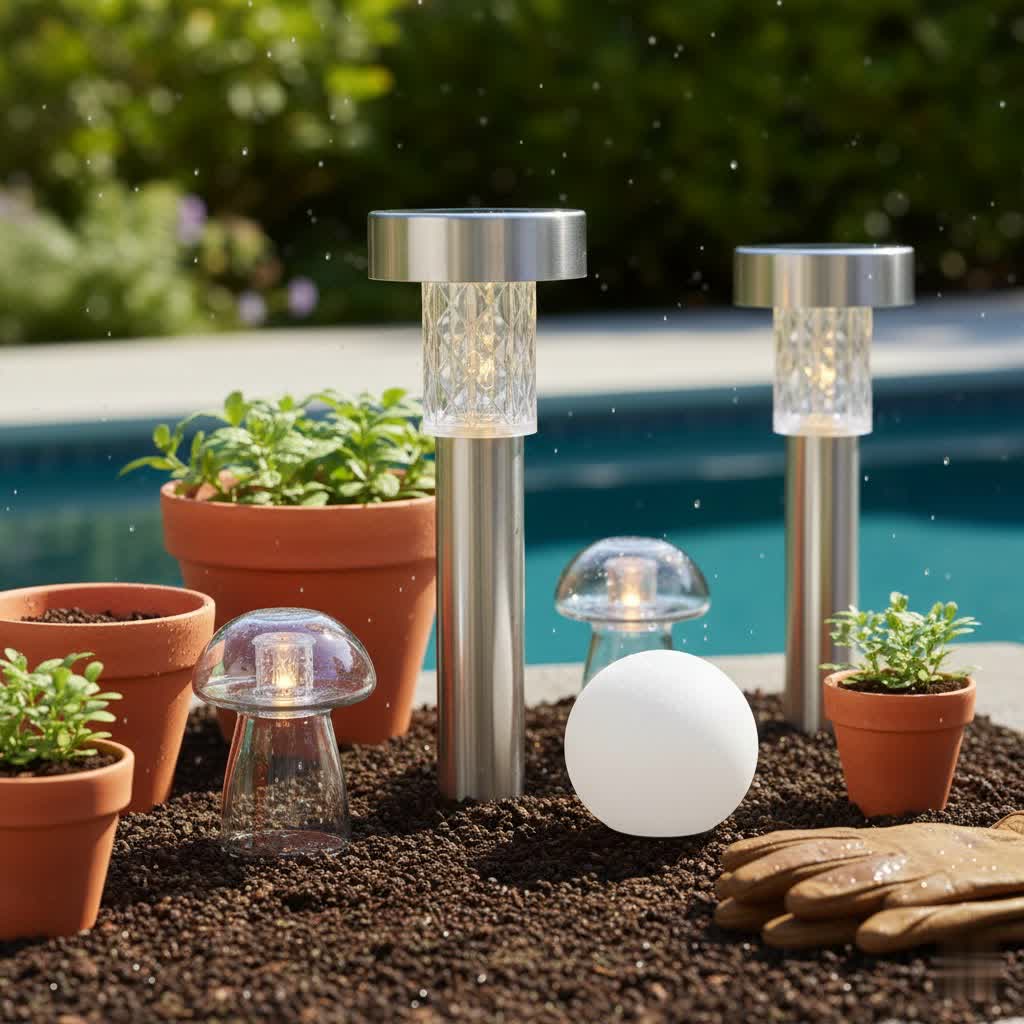
Solar Lights: A Sustainable and Economical Lighting Solution
Solar lights harness the sun’s abundant energy, converting it into illumination for your garden after dusk. This eco-friendly approach significantly reduces your carbon footprint and eliminates the need for grid electricity, leading to substantial savings on utility bills. Their wireless design also means incredibly easy installation, allowing for flexible placement without the hassle or cost of electrical wiring. Whether you’re aiming for enhanced security, aesthetic appeal, or simply a warm glow for evening gatherings, solar garden lights provide a convenient and safe solution for every outdoor need.
Common Types of Solar Garden Lights
The versatility of solar technology has given rise to a wide array of garden lights, each designed for specific purposes and aesthetic preferences. Choosing the right type depends on your desired effect and the practical needs of your outdoor space.
- Solar Pathway Lights: These are perhaps the most common, typically stake-mounted and designed to line walkways, driveways, or garden borders. They provide a gentle, guiding light, enhancing safety and creating a welcoming ambiance. While generally decorative, some models offer sufficient brightness for clear navigation.
- Solar Spotlights: Ideal for highlighting specific features like trees, statues, fountains, or architectural elements, spotlights offer a more focused and intense beam of light. Many come with adjustable heads and solar panels, allowing you to direct both the light and the charging angle. They can also serve a dual purpose as security lights for darker areas.
- Solar String Lights (Fairy & Edison Bulb): Perfect for creating a festive and cozy atmosphere, solar string lights are popular for patios, pergolas, gazebos, or wrapped around tree trunks. Fairy lights feature small, delicate LEDs, offering a subtle, magical sparkle. Edison bulb string lights boast larger, vintage-style bulbs that provide a warmer, more pronounced glow, reminiscent of traditional incandescent strings. Their primary function is ambiance rather than bright illumination.
- Solar Lanterns: These decorative lights add charm and elegance to any outdoor setting. Available in various styles, from classic metal frames to modern glass designs, lanterns can be hung from hooks, placed on tabletops, or integrated into garden displays. They typically emit a soft, inviting light, best suited for decorative purposes.
- Solar Wall-Mounted & Fence Lights: Designed to be affixed to walls, fences, or deck posts, these lights provide illumination along boundaries or near entryways. They can enhance security, highlight architectural details, or simply add ambient light to vertical surfaces. Many feature integrated motion sensors for added security.
- Solar Post Lights: Offering a classic, often vintage aesthetic, post lights are designed to be mounted on top of fence posts, pillars, or dedicated lighting posts. They provide elevated illumination, ideal for enhancing curb appeal along driveways, entrances, or garden perimeters.
- Solar Ground Lights (Disk Lights): These low-profile lights are designed to be flush with the ground, providing subtle upward illumination. They are excellent for defining edges, lighting pathways without visible fixtures, or creating an understated glow in lawns and flowerbeds.
|
Our Picks for the Best Solar Lights in 2026
As an Amazon Associate I earn from qualifying purchases.
|
||
| Num | Product | Action |
|---|---|---|
| 1 | Solar Fence Lights Outdoor - 2700/4000/6000K 3 Mode, Waterproof LED, Fence Light Solar Powered for Outside, Backyard/Railing/Step/Patio/Wall and Home Improvement(8 Pack) |

|
| 2 | Tuffenough Solar Outdoor Lights 2500LM 210 LED Security Lights with Remote Control,3 Heads Motion Sensor Lights, IP65 Waterproof,270° Wide Angle Flood Wall Lights with 3 Modes(2 Packs) |
|
| 3 | Solar Lantern Outdoor Waterproof, Metal Butterfly, Hummingbirds, Dragonflies, Frogs, Turtles, Flowers, Mushrooms, Garden Decor for Yard, Patio, Lawn, Porch, Backyard, Gifts for Women |
|
| 4 | ALEPOD Solar Pathway Lights Outdoor - 8 Pack Solar Powered Garden Lights Waterproof IP65, Decor Landscape Lighting with Three Lighting Modes for Yard, Lawn, Walkway, Driveway, Warm White |
|
| 5 | LETMY Solar Pathway Lights Outdoor, 10 Pack Solar Lights Outdoor Waterproof, Auto On/Off Solar Powered Garden Landscape Path Lights, Outdoor Solar Lights for Yard Lawn Patio Walkway Driveway |
|
| 6 | NYMPHY Solar Lights Outdoor Waterproof IP68, 56 LED 3 Lighting Modes Solar Powered Garden Yard Spot Solar Lights for Outside Landscape- 4 Pack (Cool White) |
|
| 7 | Aootek New Solar Motion Sensor Lights 120 LEDs with Lights Reflector,270° Wide Angle, IP65 Waterproof, Step Lights for Front Door, Yard, Garage, Deck (Black, Daylight White, 6-Pack) |
|
| 8 | [6 Packs] Solar Motion Sensor Outdoor Lights, Super Bright Solar Lights Outdoor Waterproof, 3 Lighting Modes Security Wall Light for Outside Walking Dog Fence Backyard Deck Garden Door Step Garage |
|
| 9 | Solar Motion Lights Outdoor, Ultra Bright Solar Fence Lights with Motion Sensor, IP65 Waterproof Security Light 3 Modes, 270° Lighting Angle, Wall Lights for Deck Patio Fence Garage Door (6 Packs) |
|
| 10 | addlon 54(48+6) FT Solar String Lights Waterproof,Patio Lights Solar Powered with Remote & USB Port 15+1 LED Shatterproof Bulbs 3 Light Modes, Dimmable Solar Light for Camping Backyard Garden |
|
Each type offers the convenience of solar power, but their differing designs and light outputs mean that a combination is often best for comprehensive garden lighting.
Comparing Popular Solar Garden Light Brands
The market for solar garden lights is rich with innovations, and several brands have established a reputation for quality, durability, and performance. When comparing, it’s essential to look beyond initial aesthetics to core specifications that impact longevity and effectiveness.
Brands like AloftSun are often praised for their motion-sensing spotlights, delivering strong brightness and reliable security features. Gigalumi frequently appears in recommendations for pathway and decorative lights, known for their ease of installation and appealing designs. Brightech stands out with its durable, weather-resistant string lights that often feature shatterproof Edison-style bulbs, ideal for ambient lighting. Urpower is another brand recognized for its versatile motion sensor lights, offering good performance at a budget-friendly price point, particularly for security around sheds or entryways.
For more robust pathway and post lighting, brands like Kemeco offer classic designs with solid construction, providing a warm, inviting glow. Beau Jardin lights are consistently noted for their durability and attractive glass and metal designs, performing well even in minimal sunlight. High-end options, such as Ring Solar Pathlights, integrate smart home features, offering advanced control, scheduling, and connectivity with existing security systems, though often at a higher price.
Evaluating these brands involves considering factors like the lumen output for brightness, the battery capacity for runtime, the ingress protection (IP) rating for weather resistance, and the overall material quality. While some budget-friendly options might use more plastic, higher-end and mid-range brands increasingly incorporate durable metals and glass for enhanced longevity and aesthetic appeal.
Detailed Comparison Table: Solar Garden Light Features
| Feature | AloftSun (Spotlight) | Gigalumi (Pathway) | Brightech (String) | Kemeco (Post Light) | Beau Jardin (Pathway) |
|---|---|---|---|---|---|
| Brightness | High (e.g., 800-1200 lumens) | Moderate (e.g., 8-15 lumens) | Low-Moderate (Ambiance) | Moderate (e.g., 130-145 lumens) | Moderate (e.g., 10-15 lumens) |
| Runtime | 8-12 hours (motion-activated longer) | 8-10 hours | 6-10 hours | 8-10 hours | 8-12 hours |
| Battery Type | Li-ion | NiMH/LiFePO4 | Li-ion | NiMH/LiFePO4 | NiMH/LiFePO4 |
| Waterproofing | IP67/IP68 | IP44/IP65 | IP65 | IP65 | IP65 |
| Materials | ABS Plastic, Aluminum | ABS Plastic, Stainless Steel, Glass | ABS Plastic, PET (shatterproof) | Cast Aluminum, Glass | Glass, Stainless Steel |
| Key Features | Motion sensor, 3 modes, wide detection | Auto on/off, decorative pattern | Shatterproof bulbs, warm/cool light | Vintage design, easy mount | Durable construction, elegant design |
| Price Range | Mid-High | Low-Mid | Mid | Mid-High | Mid |
| Warranty | Varies, typically 1-2 years | Varies | Varies, typically 1-2 years | Varies | Varies |
Note: Specific lumen and runtime figures can vary greatly by model and are indicative averages. Always check product specifications.
How to Choose Solar Garden Lights
Selecting the perfect solar garden lights requires a thoughtful consideration of several factors to ensure they meet your aesthetic and functional demands.
First, define your purpose. Are you looking for subtle decorative accents, clear pathway illumination, or robust security lighting? This will dictate the required brightness and type of light. For instance, pathway lights typically need 5-80 lumens, while security floodlights might require 300-800+ lumens for effective coverage.
Next, evaluate brightness and runtime. Brightness is measured in lumens; higher lumens mean more intense light. Look for lights that can provide illumination for at least 6-12 hours on a full charge, which is crucial for all-night lighting. This duration is heavily influenced by the battery capacity (measured in mAh) and the efficiency of the solar panel. Lithium-ion (Li-ion) and LiFePO4 batteries generally offer better performance and longevity than older NiMH types. Monocrystalline solar panels are more efficient, especially in areas with limited direct sunlight.
Weather resistance is paramount for outdoor lights. An IP (Ingress Protection) rating of at least IP65 indicates protection against dust and water jets, suitable for most rainy climates. For areas prone to heavy storms or potential submersion, IP67 or IP68 ratings offer superior protection. Durable materials like stainless steel, aluminum, and high-quality glass will withstand the elements better than cheaper plastics, impacting both lifespan and appearance.
Consider the design and style to ensure the lights complement your garden’s aesthetic. From modern minimalist to classic lantern styles, there’s a design for every taste. Finally, evaluate the ease of installation. Most solar lights are designed for DIY setup, often with ground stakes or simple wall-mounting options.
To calculate the number of lights needed, map out your space and consider the spread of light each fixture provides. For pathways, aim for overlapping light pools every few feet. For accent lighting, focus on key features. In areas with varying sunlight, choose lights with adjustable solar panels to maximize sun exposure.
Tips for Using and Maintaining Solar Garden Lights
To ensure your solar garden lights perform optimally and last for years, proper installation and routine maintenance are essential.
Installation is key: Always place your solar lights in a location that receives at least 6-8 hours of direct, unobstructed sunlight daily. Avoid shaded areas under trees, eaves, or tall bushes, as insufficient charging will lead to dimness or reduced runtime. For optimal sun absorption, ensure the solar panel is facing the sun’s most direct path, generally south in the Northern Hemisphere. Many lights come with ground stakes for easy placement, while others are designed for wall or post mounting.
Regular Cleaning: Over time, dirt, dust, pollen, and leaves can accumulate on solar panels, significantly reducing their efficiency. Make it a habit to clean the solar panels every one to three months. Use a soft cloth or sponge with mild soapy water to gently wipe the surface, then rinse with clean water and dry thoroughly to prevent water spots. This simple step can dramatically improve charging performance. Also, keep the light covers clean to ensure maximum light output.
Battery Management: Solar light batteries typically last 1-2 years before their capacity diminishes. If you notice your lights becoming significantly dimmer or running for shorter periods, it’s likely time to replace the rechargeable batteries. Most solar lights use standard NiMH or Li-ion batteries that are easily accessible and replaceable. Check for any signs of corrosion (white powdery substance) around the battery terminals and clean them if necessary.
Protection from Elements: While most solar garden lights are weather-resistant, extreme conditions can still take a toll. During harsh winters with heavy snow or prolonged periods of freezing temperatures, or during severe storms, consider bringing more delicate lights indoors to extend their lifespan. For permanent fixtures, ensure they have a high IP rating (IP65 or above) for robust protection. Periodically inspect lights for any physical damage, such as cracks in the casing or loose connections, and address them promptly.
Troubleshooting Common Issues:
- Lights not turning on: First, check if the switch is in the “ON” position. Cover the solar panel to simulate darkness and see if the light activates. Ensure the panel is clean and receiving adequate sunlight. The battery might also be dead and require replacement.
- Lights are dim or short-lived: This usually points to insufficient charging. Clean the solar panel, reposition the light for more direct sun, or replace the battery.
- Water inside the light: If water gets into the electronics, dry the unit thoroughly. For future protection, you can apply a silicone sealant around the edges of the solar panel or housing.
“Consistent care, especially ensuring clear solar panels and timely battery replacements, is the secret to unlocking the full potential and longevity of your solar garden lights.” – Dr. Elara Vance, Renewable Energy Systems Engineer
The Benefits of Using Solar Garden Lights
Embracing solar garden lights offers a multitude of advantages that go beyond just illuminating your outdoor space.
Cost Savings: The most immediate benefit is the elimination of electricity costs. Once purchased, solar lights operate entirely free, drawing all their power from the sun. This also means no expensive trenching or wiring costs associated with traditional wired outdoor lighting, making installation a budget-friendly DIY project.
Environmental Friendliness: Solar power is a clean, renewable energy source. By using solar garden lights, you reduce your reliance on fossil fuels, thereby decreasing your carbon footprint and contributing to a healthier planet. It’s a simple yet impactful way to make your home more sustainable.
Effortless Installation and Operation: Without the need for electrical outlets or complicated wiring, solar lights are incredibly easy to install. Most simply stake into the ground or mount with a few screws. They operate automatically, typically turning on at dusk and off at dawn thanks to integrated light sensors, providing hands-free convenience.
Enhanced Safety and Security: Well-lit pathways and entryways deter potential intruders and prevent trips and falls, making your garden safer for family and guests. Motion-sensor solar lights add an extra layer of security, illuminating unexpected movement and alerting you to activity.
Aesthetic Appeal and Ambiance: Solar lights come in an endless variety of styles, allowing you to enhance your garden’s beauty and create specific moods. From whimsical fairy lights to elegant path markers, they add charm, highlight landscaping features, and transform your outdoor area into a magical retreat perfect for relaxation or entertaining.
Versatility: With no need for nearby power sources, solar lights can be placed virtually anywhere the sun shines, offering unparalleled flexibility in design and layout. This allows for creative lighting schemes that might be impractical or costly with wired alternatives.
Buying Guide: Finding Your Perfect Solar Glow
Navigating the options for solar garden lights can be exciting. To make the best choice, consider your budget and specific lighting needs carefully.
Budget Projections:
- Entry-Level (Under $20 per light): These are often plastic, offer basic brightness and shorter runtimes (6-8 hours). They are ideal for small decorative accents or testing out solar lighting. Expect less durability and fewer features.
- Mid-Range ($20-$50 per light): This segment provides a good balance of quality and affordability. Lights often feature more durable materials (metal, glass), better battery life (8-10 hours), and improved brightness. You might find basic features like multiple lighting modes. These are excellent for pathway lighting or larger decorative displays.
- High-End ($50+ per light): These premium lights boast superior construction (stainless steel, cast aluminum), long-lasting batteries (10-12+ hours runtime), high lumen output, and advanced features such as smart connectivity, adjustable color temperatures, and sophisticated motion sensors. They are best for security, extensive area lighting, or integrating with smart home systems, offering exceptional durability and performance.
Usage Requirements:
- Garden Path Illumination: Look for pathway lights with moderate lumens (10-50 lm) and good runtime. Consider styles that blend with your garden’s aesthetic, such as stake lights or ground lights.
- Accent Lighting for Features: Spotlights are ideal for drawing attention to specific plants, sculptures, or architectural elements. Adjustable heads are a plus for directing the light precisely.
- Decorative Outdoor Ambiance: String lights, fairy lights, and lanterns are perfect for creating a warm, inviting atmosphere on patios, decks, or pergolas. Prioritize aesthetic appeal and soft light output.
- Security for Your Property: Motion-sensor floodlights or wall-mounted lights with high lumen output (300+ lm) are crucial for deterring intruders and illuminating dark zones around your home.
Reputable Brands: When making your selection, consider brands known for reliability and customer satisfaction. While specific models vary, brands like AloftSun, Brightech, Gigalumi, Urpower, Kemeco, and Beau Jardin consistently receive positive feedback for their various solar lighting solutions. Look for products with clear specifications regarding lumens, IP rating, battery type, and warranty information. Checking customer reviews can also provide valuable insights into real-world performance and durability.
The right solar garden lights will not only enhance the beauty and safety of your outdoor space but also align with a sustainable lifestyle.
Conclusion
Solar garden lights stand as a powerful testament to the fusion of eco-consciousness and modern convenience, offering an unparalleled solution for outdoor illumination. From defining serene pathways to accentuating prized garden features and bolstering home security, their versatility is matched only by their economic and environmental benefits. By understanding the diverse types available, prioritizing key specifications like brightness and weather resistance, and committing to simple maintenance, you can ensure your outdoor spaces remain beautifully lit year-round. These intelligent lighting solutions not only save you money and reduce your carbon footprint but also elevate the aesthetic appeal of your garden, transforming it into a welcoming oasis after sunset.
Are you ready to embrace the effortless radiance of solar power and transform your outdoor living experience?
Frequently Asked Questions
How long do solar garden lights typically last?
The lifespan of solar garden lights varies, but generally, the LED bulbs can last over 50,000 hours. The rechargeable batteries, however, usually need replacing every 1-2 years to maintain optimal performance and runtime. High-quality fixtures themselves can last many years with proper care.
Do solar garden lights work on cloudy days?
Yes, solar garden lights can still charge on cloudy days, but less efficiently. They absorb diffused sunlight, meaning their battery might not reach a full charge, which can result in dimmer illumination or a shorter runtime during the night. Placing them in the brightest available spot is crucial.
How bright are solar garden lights?
Brightness is measured in lumens. Decorative solar garden lights may offer 5-15 lumens, ideal for ambiance. Pathway lights often range from 10-100 lumens, providing practical guidance. For security or area lighting, higher-end spotlights or floodlights can reach 300-1200+ lumens for significant illumination.
Can I replace the batteries in my solar garden lights?
In most solar garden lights, the rechargeable batteries can be replaced. This is a common maintenance task that helps extend the lifespan of your lights. Always use the same type and size of rechargeable battery (often NiMH or Li-ion) specified by the manufacturer.
What IP rating should I look for in solar garden lights?
For general outdoor use where lights are exposed to rain and dust, an IP65 rating is recommended, meaning it’s protected against dust ingress and water jets. If you’re in an area with very harsh weather or potential submersion (e.g., near a pond), consider lights with an IP67 or IP68 rating for superior protection.
