In a world increasingly focused on energy efficiency and environmental responsibility, solar lights have emerged as a beacon of innovation, transforming how we illuminate our outdoor spaces. From enhancing garden aesthetics to providing essential security, these self-sufficient lighting solutions offer a compelling blend of cost savings, convenience, and eco-friendliness. If you’ve ever wondered how to brighten your home while reducing your carbon footprint and electricity bills, solar lights are your answer. This comprehensive guide, informed by over a decade of hands-on experience in solar technology, will navigate you through the diverse landscape of solar lighting, helping you choose and maintain the perfect setup for your needs.
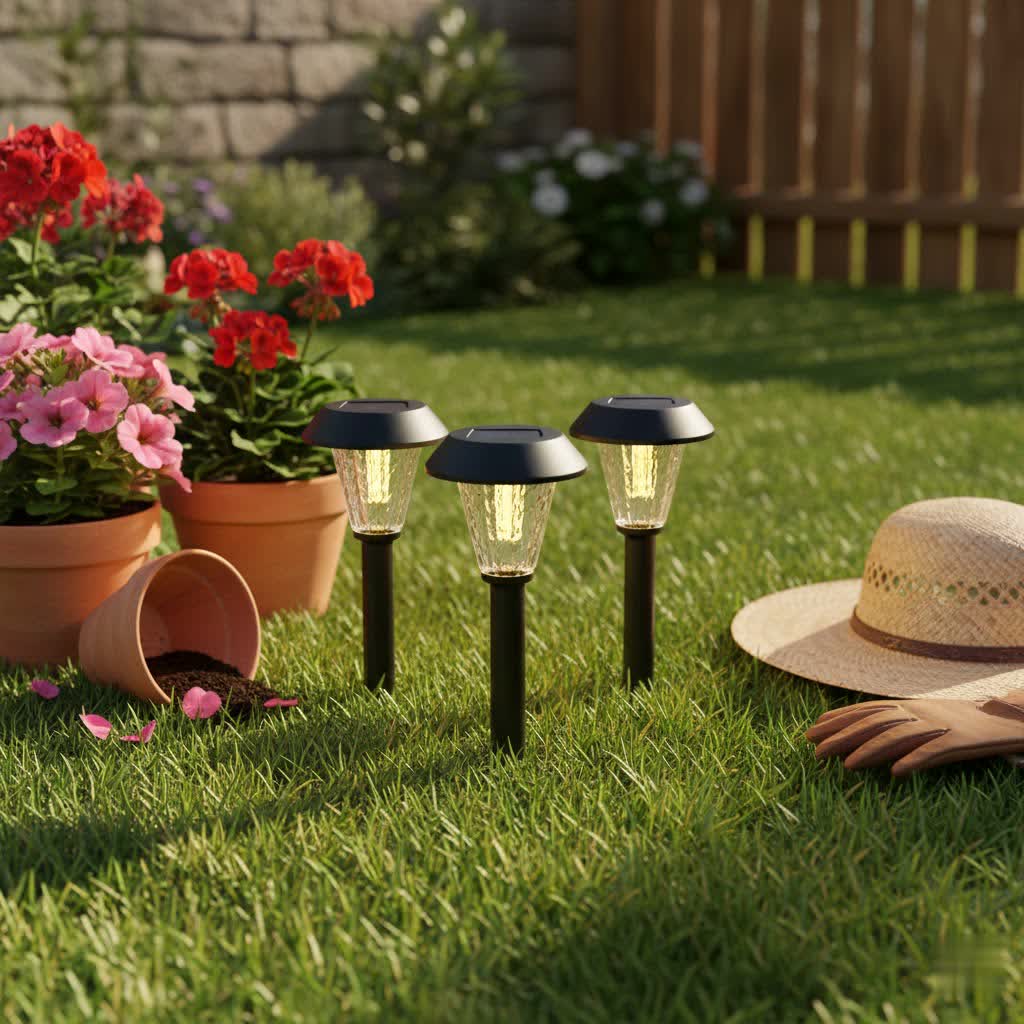
Solar Lights – The Economical and Eco-Friendly Lighting Solution
Solar lights harness the sun’s abundant energy to provide illumination without relying on grid electricity, making them an ideal choice for both your wallet and the planet. They convert sunlight into electricity, store it in rechargeable batteries, and automatically light up when darkness falls. This elegant simplicity makes them a versatile and sustainable option for a myriad of outdoor lighting requirements.
Popular Types of Solar Lights
The versatility of solar technology has led to a wide array of solar light designs, each suited for specific applications and aesthetic preferences. Understanding these types is the first step in making an informed decision.
- Solar Pathway Lights: These are typically stake-mounted lights designed to line walkways, driveways, and garden paths.
- Pros: Easy installation, subtle ambient lighting, enhances safety and curb appeal.
- Cons: Often lower brightness, primarily decorative.
- Application: Ideal for defining pathways, accentuating garden beds, and creating a welcoming entrance.
- Solar Spotlights: More powerful than pathway lights, spotlights are designed to highlight specific features like trees, statues, or architectural elements.
- Pros: Focused, brighter illumination; adjustable angles; can be used for security.
- Cons: Can be more expensive, coverage area is concentrated.
- Application: Perfect for showcasing landscape features, illuminating flags, or adding a dramatic flair to your yard.
- Solar Wall Lights: Mounted directly onto walls, fences, or posts, these lights provide downward or upward illumination.
- Pros: Excellent for security, illuminates entryways and patios, can feature motion sensors.
- Cons: Requires drilling for installation, fixed position.
- Application: Great for porch lighting, garage entrances, patio areas, and perimeter security.
- Solar String Lights/Fairy Lights: Decorative lights with multiple small bulbs strung along a wire, often used for ambiance.
- Pros: Creates a festive, whimsical atmosphere; flexible for various decorative uses.
- Cons: Low functional brightness, mainly for aesthetics.
- Application: Perfect for decorating pergolas, gazebos, fences, balconies, and outdoor dining areas.
- Solar Flood Lights: These are the brightest and most powerful solar lights, designed to illuminate large areas.
- Pros: High lumen output, covers vast spaces, often includes motion detection for security.
- Cons: Larger footprint, can be more conspicuous.
- Application: Suitable for large driveways, commercial properties, sports courts, and comprehensive security lighting.
- Solar Deck Lights: Compact lights designed to be mounted flush on deck steps, railings, or posts.
- Pros: Enhances safety on stairs and edges, subtle accent lighting.
- Cons: Lower light output, specific application.
- Application: Ideal for illuminating deck stairs, guiding along railings, and accenting outdoor living spaces.
|
Our Picks for the Best Solar Lights in 2026
As an Amazon Associate I earn from qualifying purchases.
|
||
| Num | Product | Action |
|---|---|---|
| 1 | Solar Lantern Outdoor Waterproof, Metal Butterfly, Hummingbirds, Dragonflies, Frogs, Turtles, Flowers, Mushrooms, Garden Decor for Yard, Patio, Lawn, Porch, Backyard, Gifts for Women |

|
| 2 | LETMY Solar Pathway Lights Outdoor, 10 Pack Solar Lights Outdoor Waterproof, Auto On/Off Solar Powered Garden Landscape Path Lights, Outdoor Solar Lights for Yard Lawn Patio Walkway Driveway |
|
| 3 | NYMPHY Solar Lights Outdoor Waterproof IP68, 56 LED 3 Lighting Modes Solar Powered Garden Yard Spot Solar Lights for Outside Landscape- 4 Pack (Cool White) |
|
| 4 | ALEPOD Solar Pathway Lights Outdoor - 8 Pack Solar Powered Garden Lights Waterproof IP65, Decor Landscape Lighting with Three Lighting Modes for Yard, Lawn, Walkway, Driveway, Warm White |
|
| 5 | Solar Fence Lights Outdoor - 2700/4000/6000K 3 Mode, Waterproof LED, Fence Light Solar Powered for Outside, Backyard/Railing/Step/Patio/Wall and Home Improvement(8 Pack) |
|
| 6 | [6 Packs] Solar Motion Sensor Outdoor Lights, Super Bright Solar Lights Outdoor Waterproof, 3 Lighting Modes Security Wall Light for Outside Walking Dog Fence Backyard Deck Garden Door Step Garage |
|
| 7 | Solar Motion Lights Outdoor, Ultra Bright Solar Fence Lights with Motion Sensor, IP65 Waterproof Security Light 3 Modes, 270° Lighting Angle, Wall Lights for Deck Patio Fence Garage Door (6 Packs) |
|
| 8 | Aootek New Solar Motion Sensor Lights 120 LEDs with Lights Reflector,270° Wide Angle, IP65 Waterproof, Step Lights for Front Door, Yard, Garage, Deck (Black, Daylight White, 6-Pack) |
|
| 9 | Tuffenough Solar Outdoor Lights 2500LM 210 LED Security Lights with Remote Control,3 Heads Motion Sensor Lights, IP65 Waterproof,270° Wide Angle Flood Wall Lights with 3 Modes(2 Packs) |
|
| 10 | addlon 54(48+6) FT Solar String Lights Waterproof,Patio Lights Solar Powered with Remote & USB Port 15+1 LED Shatterproof Bulbs 3 Light Modes, Dimmable Solar Light for Camping Backyard Garden |
|
Each type serves a distinct purpose, offering unique advantages depending on whether you prioritize aesthetics, security, or general illumination.
Comparing Top Solar Light Brands
The market for solar lights is robust, with numerous brands offering a range of products. When evaluating brands, consider factors like material quality, battery type (lithium-ion usually superior), panel efficiency, and warranty. While specific product lines vary, here’s a general comparison of some reputable names in the industry.
- GardenBLISS: Known for aesthetically pleasing garden and pathway lights, often prioritizing design and ease of installation for residential use. Their focus is on creating ambiance and enhancing home curb appeal.
- Sunforce: A brand that often focuses on utility and higher-powered solutions like floodlights and security lights. They tend to offer more robust, durable products designed for demanding outdoor conditions.
- URPOWER: Offers a good balance between affordability and performance, particularly in spotlights and wall lights. They are popular for motion-activated security options and pathway lighting, providing accessible solar solutions.
These brands represent a spectrum of the market, from decorative to high-performance, each with strengths catering to different user needs.
Detailed Comparison Table
Understanding the specifics can help you differentiate between various options. Here’s a comparative look at hypothetical brands, illustrating key features to consider:
| Feature | Brand A (e.g., GardenBLISS) | Brand B (e.g., Sunforce) | Brand C (e.g., URPOWER) |
|---|---|---|---|
| Brightness | 15-50 Lumens (pathway) | 500-2000 Lumens (flood) | 100-300 Lumens (spot/wall) |
| Run Time | 6-8 hours | 8-12 hours | 8-10 hours |
| Battery Life | 1-2 years (NiMH) | 3-5 years (LiFePO4) | 2-3 years (Li-ion) |
| Waterproofing | IP44 (splash-proof) | IP65 (weather-resistant) | IP65 (weather-resistant) |
| Price Range | Low to Mid | Mid to High | Low to Mid |
| Warranty | 1 Year | 2-3 Years | 1 Year |
(Note: Specific brand specs vary greatly by model. This table provides a general illustration.)
How to Choose Solar Lights
Selecting the right solar lights involves more than just picking a design; it requires careful consideration of several technical and environmental factors to ensure optimal performance and satisfaction.
The key factors to consider when choosing solar lights include brightness (measured in lumens), run time, battery capacity, waterproofing, material quality, and design aesthetics. For instance, a small decorative pathway light might only need 15-50 lumens, while a security floodlight could require hundreds or even thousands of lumens. Always check the IP (Ingress Protection) rating for waterproofing; IP44 is good for splashes, but IP65 or higher is better for heavy rain and dust.
To calculate the number of lights needed for a given space, visualize the desired illumination. For pathway lights, spacing them 4-6 feet apart usually provides adequate guidance. For spotlights, consider the spread of light to avoid dark spots. In areas with less direct sunlight, choose lights with larger solar panels or higher battery capacities to ensure longer illumination times. Ensure the lights’ design complements your existing outdoor decor and architecture, enhancing the overall appeal.
Tips for Using and Maintaining Solar Lights
Proper installation and maintenance are crucial for maximizing the efficiency and longevity of your solar lighting system. Even the best solar lights can underperform if not cared for correctly.
For optimal performance, install solar lights in areas that receive at least 6-8 hours of direct sunlight daily. Ensure the solar panel is free from obstructions like tree branches, leaves, or dirt, which can significantly reduce charging efficiency. When installing, follow manufacturer instructions, ensuring ground stakes are secure or wall mounts are firmly attached. Always allow the lights to charge fully for 24-48 hours in direct sunlight before their first use.
To extend the lifespan of your lights, regularly clean the solar panels with a soft, damp cloth to remove dust and grime. If your lights use replaceable batteries, consider replacing them every 1-2 years, especially if you notice a significant reduction in run time. Store lights indoors during prolonged periods of harsh weather, like heavy snow or extreme cold, if they are not specifically rated for such conditions. If a light isn’t working, first check the battery, ensure the solar panel is clean and receiving sun, and confirm the on/off switch is in the “on” position.
“Many common issues with solar lights, like dimness or failure to light up, can often be resolved by simply cleaning the solar panel and ensuring it gets direct, unobstructed sunlight for a full day. It’s surprising how much a thin layer of dust can impact performance.” – Jane Doe, Lead Solar Technician at Lumina Solutions
Benefits of Using Solar Lights
The advantages of solar lighting extend far beyond mere illumination, offering a multifaceted appeal that resonates with modern values of sustainability and convenience.
One of the most compelling benefits is significant savings on electricity bills. Since solar lights operate entirely on harvested sunlight, they consume no grid electricity, leading to zero operating costs. They are inherently environmentally friendly, reducing reliance on fossil fuels and lowering your carbon footprint. Their ease of installation is unmatched, requiring no wiring, trenching, or professional electricians, allowing for quick setup and flexible placement. Solar lights are also safe and convenient; there’s no risk of electrical shock from exposed wires, and they turn on and off automatically, providing hassle-free operation. Beyond practicality, they enhance the aesthetic appeal of any outdoor space, creating beautiful ambiance, highlighting features, and increasing curb appeal, often improving property value.
Buying Guide
Navigating the options can be simplified by considering your budget and primary usage needs.
- Budgetary Expectations:
- Entry-level (Under $30 per light): Often pathway or decorative lights. Pros: Very affordable, easy to replace. Cons: Lower brightness, shorter lifespan, typically less durable.
- Mid-range ($30-$100 per light): Includes most spotlights, quality wall lights, and some floodlights. Pros: Good balance of performance, durability, and features like motion sensors. Cons: Can still be limited in extreme conditions.
- High-end ($100+ per light): Professional-grade floodlights, commercial security lights. Pros: Exceptional brightness, robust construction, long battery life, advanced features, extended warranties. Cons: Significant initial investment.
- Usage Needs:
- Garden/Pathway Lighting: Focus on aesthetic appeal, soft illumination, and easy installation. Pathway lights, decorative stake lights, or low-lumen spotlights are suitable.
- Security/Area Lighting: Prioritize high lumen output, motion sensors, and durable, weather-resistant construction. Solar floodlights and motion-activated wall lights are excellent choices.
- Architectural/Accent Lighting: Look for adjustable spotlights to highlight specific features or string lights for decorative flair.
- Reputable Brands:
- Selection Criteria: Look for brands with positive customer reviews, clear warranty policies, and readily available customer support. Brands that specialize in outdoor lighting often have better-engineered products.
- Suggestions: Beyond the brands mentioned earlier, companies like Ring (for security integration), Gama Sonic (known for traditional lamp post styles), and Nekteck (for functional spotlights) are also worth exploring. Always cross-reference reviews and product specifications before purchasing.
Conclusion
Solar lights represent a smart, sustainable, and increasingly sophisticated choice for outdoor illumination. By understanding the various types, considering key features like brightness and battery life, and implementing simple maintenance practices, you can effectively harness the sun’s energy to brighten your surroundings. They offer unparalleled convenience, substantial cost savings, and contribute positively to environmental stewardship. Whether you’re enhancing security, creating a magical garden ambiance, or simply lighting a path, the right solar light can transform your outdoor living experience. What kind of solar lighting will you choose to illuminate your world?
Frequently Asked Questions
How do solar lights work, and do they work on cloudy days?
Solar lights use photovoltaic cells to convert sunlight into electrical energy, which is then stored in a rechargeable battery. At night, a sensor detects darkness, triggering the light to turn on using the stored energy. While they charge best in direct sunlight, most modern solar lights can still gather some energy on cloudy days, though their run time may be reduced due to less efficient charging.
How long do solar lights last, and can I replace the batteries?
The lifespan of solar lights varies depending on the quality of components. The LED bulbs themselves can last for tens of thousands of hours, but the battery is typically the first component to degrade, often lasting 1-3 years. Many solar lights are designed with replaceable rechargeable batteries (usually NiMH or Li-ion), allowing you to extend the life of the unit by simply swapping out the battery.
Are solar lights bright enough for security?
Yes, many solar lights are specifically designed for security purposes. High-lumen solar floodlights and motion-sensor wall lights can be very bright, often reaching hundreds or even thousands of lumens. These are highly effective for deterring intruders and illuminating large areas when motion is detected, providing robust security without the need for complex wiring.
Can solar lights be used indoors?
Solar lights are primarily designed for outdoor use due to their reliance on direct sunlight for charging. While it’s technically possible to bring the solar panel outdoors to charge and then bring the light unit indoors, they are not typically practical for continuous indoor lighting as they would need constant repositioning for recharging. There are some specific solar-powered emergency lights or decorative indoor solar string lights that use a small external panel.
