Transforming your garden, driveway, or backyard into a beautifully lit, welcoming space no longer requires complex wiring or high electricity bills. Outdoor solar pathway lights offer an elegant, eco-friendly solution, harnessing the sun’s power to provide illumination and enhance your home’s aesthetic appeal. With over a decade of hands-on experience in solar lighting technology, I’ve seen these products evolve from simple accents to sophisticated, durable fixtures. This guide will help you navigate the myriad options, ensuring you choose the perfect solar pathway lights to meet your needs and brighten your nights.
Popular Types of Outdoor Solar Pathway Lights
The world of solar pathway lights is diverse, offering a range of styles and functionalities to suit any outdoor space. Understanding the common types can help you envision the perfect lighting scheme for your home.
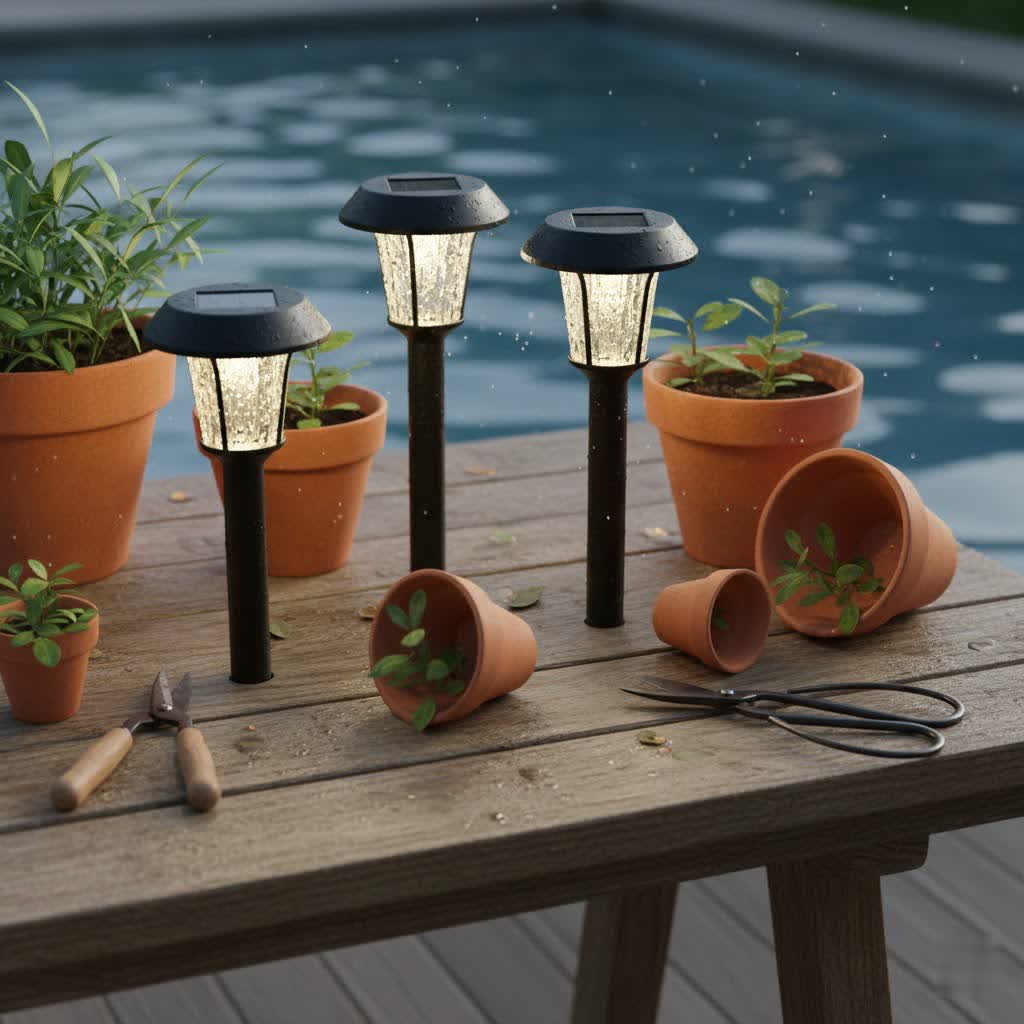
Stake Lights are perhaps the most recognizable form of solar pathway lighting. These lights feature a small solar panel and LED bulb atop a stake, which is simply pushed into the ground along a path, garden bed, or border.
- Pros: Extremely easy to install, offer versatile placement, and come in numerous decorative designs. Many models provide an ambient glow, while some can cast beautiful patterns on the ground.
- Cons: Brightness can be limited, and plastic stakes may break in hard ground or with accidental impact. Their effectiveness is highly dependent on direct sunlight exposure.
- Applications: Ideal for outlining walkways, accenting garden features, or providing a soft, ambient glow.
Disk Lights (In-Ground Lights) are low-profile fixtures designed to sit flush with the ground or be mounted on vertical surfaces like fences and steps.
- Pros: Minimalist design, less obtrusive during the day, and often more durable with heavy-duty casings. Some designs cast light outward, illuminating surroundings effectively without being blinding. They are also excellent for mounting on railings or fences.
- Cons: Can collect dirt and debris more easily, requiring frequent cleaning. Some designs might shine light upward, which can be less effective for ground illumination.
- Applications: Perfect for patio edges, steps, decks, driveways, or providing subtle ground illumination along a path.
Spotlights are designed for focused illumination, capable of highlighting specific landscape features such as trees, statues, or architectural elements of your home.
- Pros: Deliver bright, directed light, often with adjustable heads for precise aiming. Many are highly durable and can be mounted in various ways (stake, wall, post).
- Cons: Can be blinding if poorly positioned; their daytime appearance might be less aesthetic than decorative pathway lights.
- Applications: Ideal for security, accent lighting, or drawing attention to key landscape elements.
Decorative/Lantern-Style Lights mimic traditional lanterns or modern design elements, adding a significant aesthetic component beyond just illumination.
- Pros: Enhance curb appeal significantly, offering diverse styles from classic to contemporary. Many feature metal and glass construction for a premium feel.
- Cons: Can be pricier, and their primary focus is often aesthetics rather than maximum light output.
- Applications: Entryways, patios, garden nooks, or anywhere you want to combine functional lighting with a strong design statement.
Motion-Sensor Lights integrate a motion detector that activates the light only when movement is detected.
- Pros: Conserves battery life, increases security, and provides light only when needed, reducing light pollution.
- Cons: May not provide continuous ambient lighting, and sensors can be triggered by pets or wildlife.
- Applications: Entrances, dark corners, or any area where on-demand security lighting is desired.
Comparing Top Brands of Solar Pathway Lights
When selecting outdoor solar pathway lights, the brand often dictates quality, durability, and performance. Several manufacturers stand out for their commitment to innovation and customer satisfaction.
Hampton Bay is a popular choice, particularly for its Clermont (Best Overall) and Parkwood models. These are often lauded for their robust metal and glass construction, offering durability that surpasses many plastic alternatives. Their lights typically provide a gentle yet adequately bright, evenly spread glow, mimicking professional installations. However, their larger size might not suit all landscapes, and plastic stakes on some models can be a drawback. The Hampton Bay Solar In-Ground Disk Path Light is also notable for its unique design that casts light outward rather than upward, illuminating surroundings effectively.
Beau Jardin solar pathway lights are recognized for their decorative appeal and versatility. Their models often feature beautiful glass globes that cast attractive patterns and offer color-changing options, including a steady white light. While some designs may limit light spread due to patterns, their aesthetic contribution is significant. They are generally considered a step up from basic value lights in terms of material quality and features.
AloftSun has gained recognition for motion sensor lights that offer extreme brightness and resilience in bad weather, making them a strong contender for overall performance, especially where security and robust illumination are priorities.
Frontgate Pro Series VI Solar Path Light stands out in the premium segment, known for its stylish lantern design, bright output, and exceptional durability, often featuring weatherproof cast-aluminum housing and aluminum stakes for superior longevity and aesthetic appeal.
For budget-conscious buyers, BUCASA and Maggift offer excellent value. BUCASA lights, for instance, perform well in durability tests and offer unique features like patterned and color-changing glows at an affordable price. Maggift lights use thick, durable plastic that can resemble glass, providing good illumination without the higher cost of metal and glass.
URPOWER is a top choice for solar spotlights, known for their extreme brightness and versatility, often mountable on posts or fences to act like floodlights. They also demonstrate supreme durability against impacts and weather.
Brands like Gigalumi and LETMY offer appealing patterned lights, with LETMY specifically praised for maintaining good light spread despite intricate designs and offering switchable warm and cool white light options.
Detailed Comparison Table
| Feature | Hampton Bay Clermont | BUCASA Pathway Light | Beau Jardin Pathway Light | URPOWER Spotlight | Frontgate Pro Series VI |
|---|---|---|---|---|---|
| Style | Stake | Stake | Stake | Spotlight | Lantern (Stake) |
| Construction | Metal & Glass | Plastic | Glass Globe, Plastic Stake | Durable Plastic | Cast-Aluminum |
| Brightness | 15 Lumens (Warm White) | Not specified (35.6 lux) | 10 Lumens (Bright White) | 200 Lumens | Bright (144 lux, per tests) |
| Light Spread | 7 feet | 2 feet | 4 feet | 5 feet straight beam | Wide, effective |
| Operating Time | Dusk-to-Dawn | Dusk-to-Dawn | Dusk-to-Dawn | Dusk-to-Dawn | Dusk-to-Dawn |
| Durability | Supreme (Trimmer, Ball) | Very Good (Trimmer) | Good | Supreme (Trimmer, Ball) | Excellent (Weatherproof, Aluminum Stakes) |
| Special Features | Premium Look | Patterned, Color-Changing | Color-Changing, White Light Option | Adjustable Beam | Stylish, High-End |
| Price Range | Mid-range | Value | Mid-range | Value/Mid-range | Premium |
| Warranty | (Often 1-year) | (Standard) | (Standard) | (Standard) | (Likely good) |
Note: Brightness metrics (lumens vs. lux) can vary by manufacturer and testing methods.
Guide to Choosing the Right Outdoor Solar Pathway Lights
Selecting the ideal outdoor solar pathway lights involves more than just picking an attractive design. Several critical factors influence their performance and suitability for your space.
1. Understand Light Output (Lumens)
The brightness of solar pathway lights is measured in lumens. For typical pathway illumination, you’ll generally want lights that provide enough visibility without being overpowering.
- Ambient or Decorative Lighting: 10-50 lumens is often sufficient for a subtle glow or accenting garden features.
- Pathway Visibility & Safety: 50-200 lumens can provide better visibility for walking paths and driveways.
- Security or Task Lighting: For brighter, more focused light, such as illuminating a large area or for security, look for 200-450+ lumens, typically found in spotlights. A solar pathway light with 450 lumens, for instance, can effectively illuminate an area approximately 10 feet in diameter.
|
Our Picks for the Best Solar Lights in 2026
As an Amazon Associate I earn from qualifying purchases.
|
||
| Num | Product | Action |
|---|---|---|
| 1 | Solar Motion Lights Outdoor, Ultra Bright Solar Fence Lights with Motion Sensor, IP65 Waterproof Security Light 3 Modes, 270° Lighting Angle, Wall Lights for Deck Patio Fence Garage Door (6 Packs) |

|
| 2 | Aootek New Solar Motion Sensor Lights 120 LEDs with Lights Reflector,270° Wide Angle, IP65 Waterproof, Step Lights for Front Door, Yard, Garage, Deck (Black, Daylight White, 6-Pack) |
|
| 3 | LETMY Solar Pathway Lights Outdoor, 10 Pack Solar Lights Outdoor Waterproof, Auto On/Off Solar Powered Garden Landscape Path Lights, Outdoor Solar Lights for Yard Lawn Patio Walkway Driveway |
|
| 4 | Solar Fence Lights Outdoor - 2700/4000/6000K 3 Mode, Waterproof LED, Fence Light Solar Powered for Outside, Backyard/Railing/Step/Patio/Wall and Home Improvement(8 Pack) |
|
| 5 | Tuffenough Solar Outdoor Lights 2500LM 210 LED Security Lights with Remote Control,3 Heads Motion Sensor Lights, IP65 Waterproof,270° Wide Angle Flood Wall Lights with 3 Modes(2 Packs) |
|
| 6 | ALEPOD Solar Pathway Lights Outdoor - 8 Pack Solar Powered Garden Lights Waterproof IP65, Decor Landscape Lighting with Three Lighting Modes for Yard, Lawn, Walkway, Driveway, Warm White |
|
| 7 | [6 Packs] Solar Motion Sensor Outdoor Lights, Super Bright Solar Lights Outdoor Waterproof, 3 Lighting Modes Security Wall Light for Outside Walking Dog Fence Backyard Deck Garden Door Step Garage |
|
| 8 | addlon 54(48+6) FT Solar String Lights Waterproof,Patio Lights Solar Powered with Remote & USB Port 15+1 LED Shatterproof Bulbs 3 Light Modes, Dimmable Solar Light for Camping Backyard Garden |
|
| 9 | NYMPHY Solar Lights Outdoor Waterproof IP68, 56 LED 3 Lighting Modes Solar Powered Garden Yard Spot Solar Lights for Outside Landscape- 4 Pack (Cool White) |
|
| 10 | Solar Lantern Outdoor Waterproof, Metal Butterfly, Hummingbirds, Dragonflies, Frogs, Turtles, Flowers, Mushrooms, Garden Decor for Yard, Patio, Lawn, Porch, Backyard, Gifts for Women |
|
2. Evaluate Solar Panel Efficiency
The solar panel is the heart of your light, converting sunlight into energy. Its efficiency directly impacts how well your lights charge and how long they stay illuminated.
- Monocrystalline Solar Panels: These are the most efficient, capable of converting up to 22% of sunlight into usable energy. They perform better, even on cloudy days, and generally last longer.
- Panel Size and Positioning: Larger panels collect more sunlight. Adjustable panels are a bonus, allowing you to optimize their exposure to the sun throughout the day. Ensure lights are placed where they receive at least 6-8 hours of direct sunlight daily for optimal charging.
3. Battery Capacity and Runtime
The battery stores the energy collected by the solar panel. Its capacity determines how long your lights can shine after dark.
- Battery Type: Lithium-ion batteries are highly recommended for their longevity and efficiency, typically lasting 3-5 years with proper care. Some high-quality lithium batteries can last over 10 years.
- Capacity (mAh): Measured in milliamp-hours, higher mAh ratings indicate greater capacity, leading to longer runtime, especially crucial during shorter winter days or prolonged cloudy periods. Aim for 2000mAh or higher for reliable, extended illumination.
4. Durability and Weather Resistance
Outdoor lights are constantly exposed to the elements, so durability is paramount.
- Materials: Look for lights made from stainless steel, aluminum, or durable, UV-resistant plastics. These materials offer better resistance to rust, corrosion, and fading. Metal and glass constructions are often notably higher quality than all-plastic options.
- IP Rating (Ingress Protection): This rating indicates protection against dust and water. For outdoor use, an IP65 rating or higher is recommended. IP65 ensures the light is dust-tight and protected against water jets from any direction, making it suitable for various weather conditions like rain and snow.
5. Aesthetic and Functional Design
The design should complement your home’s architecture and landscape while effectively serving its purpose.
- Style: Choose between classic lantern styles, sleek modern designs, disk lights, or spotlights based on your aesthetic preference and desired function. Consider the light’s appearance even when turned off.
- Height: The height of stake lights affects the light spread. Taller fixtures generally provide a wider spread.
- Light Pattern: Some lights cast decorative patterns. While beautiful, ensure they still provide adequate illumination if path safety is your primary goal.
6. Ease of Installation and Maintenance
Solar pathway lights are known for their easy, wire-free installation. However, some aspects can make them even more user-friendly.
- Ground Stakes: Sturdy stakes that can be easily driven into the ground are essential. Wetting the ground before installation can prevent plastic stakes from breaking.
- Adjustable Heads: Spotlights with adjustable heads offer flexibility in directing light where it’s most needed.
- Maintenance: Opt for lights with easy-to-clean solar panels and replaceable batteries to extend their lifespan.
7. Cost and Warranty
While initial cost is a factor, prioritize value in terms of quality, durability, and performance.
- Warranty: A warranty of at least 5 years indicates a manufacturer’s confidence in their product’s longevity and provides peace of mind.
“The true measure of a solar pathway light isn’t just its immediate brightness, but its sustained performance over years of diverse weather conditions. Investing in quality materials and efficient solar technology pays dividends in reliability and aesthetic satisfaction.” – Alex Vong (Reviewtika.com Admin), Solar Lighting Expert.
Tips for Using and Maintaining Your Solar Pathway Lights
Proper usage and regular maintenance are key to maximizing the efficiency and lifespan of your outdoor solar pathway lights.
Optimal Installation for Peak Performance
The placement of your solar lights is crucial. Ensure they are installed in areas that receive 6 to 8 hours of direct sunlight daily. Avoid placing them under trees, eaves, or close to tall structures that could cast shadows, as this will significantly reduce their charging efficiency and shorten their runtime at night.
When installing stake lights, consider the width of your pathway. For narrow paths, space lights 3-5 feet apart; for medium widths, 5-7 feet; and for wider areas, 7-8 feet. Remember that taller fixtures generally provide a wider light spread. If the ground is hard, wet it thoroughly before inserting stakes to prevent damage.
Regular Cleaning of Solar Panels
Dust, dirt, pollen, and debris can accumulate on solar panels, hindering their ability to absorb sunlight effectively.
- Frequency: Clean your solar panels at least every two to three months, or more frequently in dusty or pollen-heavy environments.
- Method: Turn off the light, and use a soft cloth or sponge with a mixture of mild soap and water to gently wipe the panel surface. Avoid abrasive materials that could scratch the glass or plastic. Rinse with clean water and dry with a soft towel to prevent streaks. This simple routine significantly boosts charging efficiency.
Battery Care and Replacement
Solar lights rely on rechargeable batteries that degrade over time.
- Inspection: Periodically check the battery compartment for corrosion or damage.
- Replacement: Batteries typically need replacement every two to three years for best results, though high-quality lithium-ion batteries can last longer. If you notice a decline in brightness or shorter illumination times, it’s likely time for new batteries. Always use high-quality, compatible rechargeable batteries.
Protection Against Harsh Weather and Damage
While many solar lights are designed to be weather-resistant, extreme conditions can still impact their functionality.
- Seals: Regularly check that all seals and gaskets are intact to prevent water ingress, especially in areas prone to heavy rain or snow.
- Seasonal Storage: In regions with severe winters or prolonged adverse weather, consider bringing your lights indoors for storage. Clean them thoroughly and remove batteries if storing for an extended period, keeping them in a cool, dry place.
- Physical Protection: Be mindful of landscaping activities like string trimming or mowing, which can easily damage fragile plastic stakes or light housings. Some durable models can withstand accidental impacts better than others.
Troubleshooting Common Issues
- Light Not Turning On: Ensure the solar panel is clean and receiving adequate direct sunlight. Check the on/off switch.
- Dim or Short-Lived Light: This often indicates insufficient charging (panel obstruction, too much shade) or a weakening battery that needs replacement.
Benefits of Using Outdoor Solar Pathway Lights
Embracing outdoor solar pathway lights offers a wealth of advantages, extending beyond simple illumination to touch on sustainability, safety, and personal enjoyment.
Cost Savings
One of the most compelling benefits is the significant reduction in electricity bills. Solar lights operate entirely on harvested solar energy, eliminating the need for grid electricity and the associated running costs. Once the initial investment is made, your pathways are lit for free. This long-term cost-effectiveness makes them an economical choice for homeowners.
Environmental Friendliness
Solar pathway lights are a truly green lighting solution. They harness renewable solar energy, drastically reducing your carbon footprint and reliance on fossil fuels. This commitment to sustainability aligns with global efforts to promote clean energy and mitigate climate change, contributing to a healthier planet.
Easy Installation and Versatility
Unlike traditional wired lighting, solar pathway lights require no complex trenching, wiring, or electrical expertise. Most simply involve assembling a few components and pushing a stake into the ground. This ease of installation offers unparalleled flexibility, allowing you to place lights virtually anywhere in your yard, garden, or along pathways without being constrained by power outlets. They are a quick, easy, and stylish way to add light to areas without convenient electrical access.
Enhanced Safety and Security
Well-lit pathways significantly reduce the risk of trips, falls, and other accidents after dark, guiding visitors and family safely around your property. Strategically placed solar lights can illuminate potential hazards, increasing overall safety. Furthermore, continuous illumination or motion-activated lighting acts as a deterrent to potential intruders, boosting your home’s security.
Aesthetic Appeal and Curb Appeal
Solar pathway lights are not just functional; they are powerful tools for enhancing your outdoor aesthetic. They can transform an ordinary yard into an enchanting environment, highlighting architectural features, landscaping, and garden beds. With a vast array of designs, from classic lanterns to modern minimalist disks, they add design depth and sophistication to your home’s nighttime landscape, significantly increasing curb appeal.
Convenience and Automation
Many solar lights feature built-in light sensors that automatically turn them on at dusk and off at dawn, providing effortless illumination without manual intervention. Advanced models may even offer smart features like dimmers or smartphone control, further enhancing convenience.
Outdoor Solar Pathway Lights Buying Guide
Navigating the market for outdoor solar pathway lights can be streamlined by considering your budget and specific usage needs.
Budget Expectations
-
Entry-Level/Budget-Friendly (Under $30 per light):
- Pros: Highly affordable, great for covering large areas without breaking the bank. Often available in multi-packs. Good for basic marking and ambiance.
- Cons: Typically made of plastic, which may be less durable. Lower lumen output, shorter battery life, and simpler designs. May require more frequent replacement.
- Best For: Those needing to illuminate long pathways or large gardens on a tight budget, where primary goal is accenting rather than bright visibility. Examples: Maggift, BUCASA (for value).
-
Mid-Range ($30-$70 per light):
- Pros: A good balance of quality, durability, and performance. Often feature metal and glass construction, higher lumen output, and longer battery life. More design variety and better weather resistance. Some may offer color-changing or patterned light options.
- Cons: Still primarily stake-style; while durable, they may not be indestructible.
- Best For: Homeowners seeking reliable, attractive, and reasonably durable lights for pathways, garden accents, and general outdoor illumination. Examples: Hampton Bay Clermont, Beau Jardin, Home Decorators Collection Savannah.
-
High-End/Premium ($70+ per light):
- Pros: Superior construction (e.g., cast aluminum), advanced features like motion sensing, smart connectivity, and exceptional durability. Often provide very bright and consistent illumination with extended battery life and sophisticated designs. Longer warranties are common.
- Cons: Significant upfront investment.
- Best For: Those prioritizing maximum performance, security, smart home integration, and a luxurious aesthetic, willing to invest in long-lasting, feature-rich solutions. Examples: Frontgate Pro Series VI, Ring Solar Pathlight.
Usage Needs
- Path and Walkway Illumination: Focus on lights with sufficient lumens (50-200+), an even light spread, and durable construction. Stake lights are common, but disk lights can also work. Consider how well they light the ground for safety.
- Decorative Lighting/Ambiance: Prioritize aesthetic design, light patterns, and color temperature (warm white for romance, cool white for modern). Look for metal and glass constructions or unique lantern styles.
- Security Lighting: Bright spotlights (200+ lumens) or motion-sensor lights are ideal. Durability and wide coverage are key. URPOWER Spotlights are an excellent choice here.
- Highlighting Landscape Features: Spotlights with adjustable heads are best for accentuating specific elements like trees, shrubs, or sculptures.
Reputable Brands
Look for brands with consistent positive reviews for durability, battery life, and brightness. Brands like Hampton Bay, Beau Jardin, AloftSun, and URPOWER frequently appear on “best of” lists from reputable home improvement and product review sites. Always check product specifications for IP ratings, battery type, and warranty information.
Conclusion
Outdoor solar pathway lights offer an unparalleled blend of convenience, sustainability, and aesthetic enhancement for any home. From guiding your footsteps safely along a garden path to accentuating your home’s architectural beauty, these lights transform your outdoor spaces with effortless elegance. By understanding the diverse types available, comparing top brands, and focusing on key factors like lumens, panel efficiency, battery capacity, and durability, you can make an informed decision that truly brightens your landscape. Investing in the right solar pathway lights not only reduces your carbon footprint and electricity bills but also creates a safer, more inviting environment for years to come.
What outdoor area are you most excited to illuminate with the power of the sun?
Frequently Asked Questions
How many lumens do I need for solar pathway lights?
For ambient or decorative lighting, 10-50 lumens are sufficient. For practical pathway illumination and safety, aim for 50-200 lumens. If you need brighter, more focused light for security or highlighting large features, look for 200-450+ lumens in spotlights.
Do solar pathway lights work in shaded areas?
While solar lights can function in partial shade, their performance will be significantly reduced. They require at least 6-8 hours of direct sunlight daily for optimal charging and to stay lit throughout the night. Lights in full shade may not charge enough to operate effectively.
How often do I need to clean solar pathway lights?
It’s recommended to clean solar panels every 2-3 months to prevent dust and debris from accumulating, which can hinder charging efficiency. Use a soft cloth with mild soap and water, then rinse and dry. Regular cleaning extends the light’s lifespan and maintains brightness.
What is a good IP rating for outdoor solar lights?
For outdoor solar pathway lights, an IP (Ingress Protection) rating of IP65 or higher is recommended. IP65 ensures the light is dust-tight and protected against water jets from any direction, making it suitable for various weather conditions including rain and snow, ensuring durability.
How long do the batteries in solar pathway lights last?
The rechargeable batteries in solar pathway lights typically last 2-3 years and may need replacement. High-quality lithium-ion batteries, however, can last 3-5 years or even over 10 years with proper care. Regularly monitoring brightness helps determine when battery replacement is needed.
Can solar pathway lights be stolen easily?
Yes, due to their easy, wire-free installation, solar pathway lights can be prone to theft as they can simply be pulled out of the ground. If theft is a significant concern, consider more permanent, hardwired solutions or lights with anti-theft designs.
Are solar pathway lights worth the investment?
Yes, solar pathway lights are a worthwhile investment for most homeowners. They offer cost savings on electricity, are environmentally friendly, easy to install, and enhance both the safety and aesthetic appeal of your outdoor spaces. Their benefits often outweigh their initial cost over the long term.
