Stepping outside after dusk, do you often find your garden paths or deck railings swallowed by shadow? For homeowners seeking both functional brilliance and an eco-conscious touch, solar post lights outdoor solutions offer an elegant and efficient answer. These innovative fixtures harness the sun’s power, transforming dimly lit spaces into inviting havens of light without the hassle of wiring or the burden of electricity bills. As an experienced technician in solar lighting, I’ve seen these lights evolve from simple novelties to sophisticated, reliable systems. This comprehensive guide will illuminate everything you need to know about choosing, installing, and maintaining the best solar post lights for your outdoor sanctuary, ensuring your investment brightens your nights for years to come.
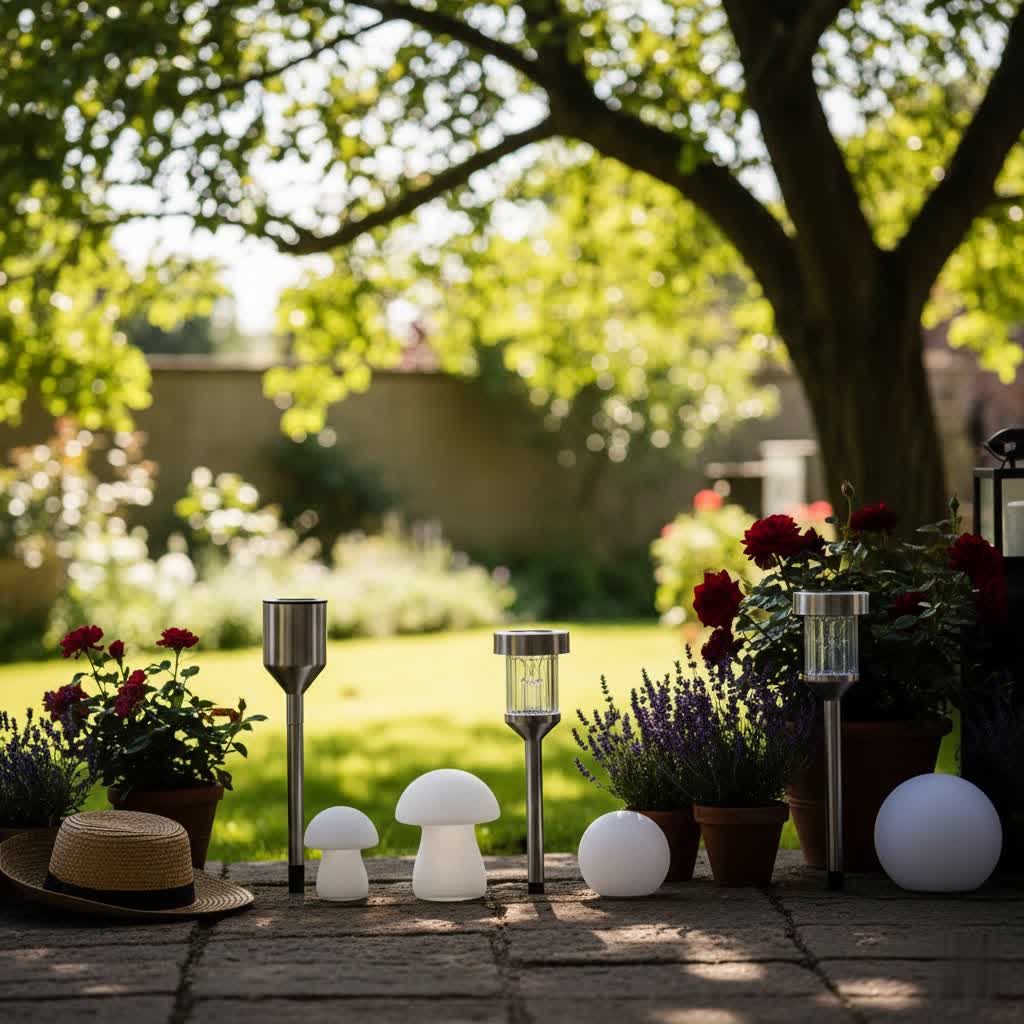
Solar Post Lights: A Sustainable & Smart Choice for Outdoor Illumination
Solar post lights are more than just decorative accents; they are a testament to smart, sustainable outdoor living. Designed to be mounted atop fence posts, deck posts, or standalone poles, these lights integrate a small solar panel that captures sunlight during the day. This energy is then converted into electricity and stored in a rechargeable battery. As twilight descends, an integrated light sensor automatically switches on the LED bulbs, providing reliable illumination through the night until dawn, when the charging cycle begins anew.
The efficiency and performance of solar post lights depend heavily on the quality of their components, including the solar panel, battery capacity, and LED technology. Modern designs often include advanced features such as adjustable brightness settings, motion sensors for enhanced security, and various aesthetic styles to complement any outdoor decor. They stand out as an ideal choice for property owners aiming to minimize installation costs, reduce their carbon footprint, and enjoy hassle-free outdoor lighting.
Popular Types of Outdoor Solar Post Lights
The world of outdoor solar post lights offers a diverse range of styles and functionalities, ensuring there’s a perfect fit for every outdoor space and purpose. Understanding the most common types helps in making an informed decision.
- Solar Post Cap Lights: These are arguably the most popular type, designed to fit directly onto the top of existing fence or deck posts, often in standard sizes like 4×4 or 5×5 inches. They offer a clean, integrated look, illuminating the post itself and the surrounding area. Their primary role is often decorative and for ambient pathway lighting.
- Solar Lantern Post Lights: Mimicking traditional lantern designs, these lights are typically mounted on taller poles, providing broader area illumination for driveways, entryways, or garden paths. They often feature frosted or clear glass panels, offering a more classic or ornate aesthetic.
- Solar Garden Post Lights (Staked): While not always directly on a post, many garden lights come with stakes that can be positioned alongside a pathway or at the base of a decorative post. These are typically smaller, offering accent lighting, and are highly versatile in placement.
- Solar Pathway Post Lights: Designed specifically for illuminating walkways and garden paths, these can be either post cap or lantern style, providing consistent light distribution to ensure safe navigation after dark.
|
Our Picks for the Best Solar Lights in 2026
As an Amazon Associate I earn from qualifying purchases.
|
||
| Num | Product | Action |
|---|---|---|
| 1 | addlon 54(48+6) FT Solar String Lights Waterproof,Patio Lights Solar Powered with Remote & USB Port 15+1 LED Shatterproof Bulbs 3 Light Modes, Dimmable Solar Light for Camping Backyard Garden |

|
| 2 | ALEPOD Solar Pathway Lights Outdoor - 8 Pack Solar Powered Garden Lights Waterproof IP65, Decor Landscape Lighting with Three Lighting Modes for Yard, Lawn, Walkway, Driveway, Warm White |
|
| 3 | NYMPHY Solar Lights Outdoor Waterproof IP68, 56 LED 3 Lighting Modes Solar Powered Garden Yard Spot Solar Lights for Outside Landscape- 4 Pack (Cool White) |
|
| 4 | Tuffenough Solar Outdoor Lights 2500LM 210 LED Security Lights with Remote Control,3 Heads Motion Sensor Lights, IP65 Waterproof,270° Wide Angle Flood Wall Lights with 3 Modes(2 Packs) |
|
| 5 | Solar Motion Lights Outdoor, Ultra Bright Solar Fence Lights with Motion Sensor, IP65 Waterproof Security Light 3 Modes, 270° Lighting Angle, Wall Lights for Deck Patio Fence Garage Door (6 Packs) |
|
| 6 | LETMY Solar Pathway Lights Outdoor, 10 Pack Solar Lights Outdoor Waterproof, Auto On/Off Solar Powered Garden Landscape Path Lights, Outdoor Solar Lights for Yard Lawn Patio Walkway Driveway |
|
| 7 | Solar Lantern Outdoor Waterproof, Metal Butterfly, Hummingbirds, Dragonflies, Frogs, Turtles, Flowers, Mushrooms, Garden Decor for Yard, Patio, Lawn, Porch, Backyard, Gifts for Women |
|
| 8 | Aootek New Solar Motion Sensor Lights 120 LEDs with Lights Reflector,270° Wide Angle, IP65 Waterproof, Step Lights for Front Door, Yard, Garage, Deck (Black, Daylight White, 6-Pack) |
|
| 9 | Solar Fence Lights Outdoor - 2700/4000/6000K 3 Mode, Waterproof LED, Fence Light Solar Powered for Outside, Backyard/Railing/Step/Patio/Wall and Home Improvement(8 Pack) |
|
| 10 | [6 Packs] Solar Motion Sensor Outdoor Lights, Super Bright Solar Lights Outdoor Waterproof, 3 Lighting Modes Security Wall Light for Outside Walking Dog Fence Backyard Deck Garden Door Step Garage |
|
Each type serves a unique purpose. Post cap lights enhance architectural features and provide subtle ambiance, while lantern styles offer more substantial illumination and a traditional feel. The application typically dictates the best type: think bright, reliable lighting for safety on a driveway versus a softer glow to define a garden border.
Comparing Leading Solar Post Light Brands
The market for solar post lights is robust, with several brands offering compelling features. While direct, side-by-side comparisons of every feature can be challenging due to product variations, certain brands consistently receive high marks for quality, durability, and innovation.
- Kemeco: Often highlighted for its classic lantern-style post lights, Kemeco products are known for their elegant designs, often featuring real glass panels and durable aluminum frames. They typically provide a warm, inviting glow, suitable for ambient lighting and reading under, and are praised for their robust construction that withstands various weather conditions.
- OTHWAY: A popular choice for fence post lights, OTHWAY models are frequently cited for their attractive and modern designs, often with unique lampshades. They typically offer comfortable white light and are noted for their automatic sensor functionality and solid construction for various outdoor settings like fences, decks, and walkways.
- GIGALUMI: This brand is recognized for its multi-pack solar deck post cap lights, offering easy installation on various post sizes. Users appreciate their ability to blend into surroundings, though some models may feature a cooler, brighter white light that might not be adjustable in temperature.
- Ring: For those integrating smart home technology, Ring Solar Post Lights stand out. They offer excellent illumination with smart features like customizable settings via a smartphone app, adjustable brightness, schedules, and motion detection notifications, providing both security and style.
- GKOLED: These lights offer a strong blend of functionality and style, providing ample illumination (around 300 lumens) and often include motion sensors to conserve energy. Their durable construction makes them suitable for harsh weather, and their sleek design complements various outdoor aesthetics.
- Sunforce: Sunforce provides solar post cap lights that often serve as accent lighting (around 50 lumens), perfect for adding a decorative touch. They are known for ease of installation and minimal maintenance, creating a cozy atmosphere with a warm glow.
“The true value of a solar post light isn’t just in its initial brightness, but in its consistent performance night after night, year after year. Look for robust construction and efficient energy management.” – Admin, Reviewtika.com, Solar Lighting Specialist
Detailed Comparison Table: Solar Post Lights Features
To help visualize the differences across brands and types, here’s a general comparison of common features you’ll find when evaluating solar post lights:
| Feature | Budget-Friendly Options | Mid-Range Options | Premium Options |
|---|---|---|---|
| Brightness | 10-50 lumens (accent/decorative) | 50-200 lumens (pathway/ambiance) | 200-500+ lumens (security/area) |
| Runtime | 6-8 hours (full charge) | 8-10 hours (full charge) | 10-12+ hours (full charge) |
| Battery Type | Ni-MH (AA/AAA) | Ni-MH, Li-ion | High-capacity Li-ion (e.g., LiFePO4) |
| Water Resistance | IP44 (splash-proof) | IP55 (weather-resistant) | IP65/IP67 (dust-tight, jet-proof) |
| Materials | Plastic (ABS, PP) | Plastic, Aluminum, Thin Glass | Cast Aluminum, Real Glass, Stainless Steel |
| Features | Auto on/off | Auto on/off, some dimming | Motion sensor, app control, color temp adjustment |
| Price Range | $10-$30 per light | $30-$80 per light | $80-$200+ per light |
| Warranty | 3-6 months | 1-2 years | 2-5+ years |
Note: These are general ranges and can vary significantly by specific model and manufacturer.
How to Choose the Right Solar Post Lights
Selecting the ideal solar post lights involves more than just picking a design you like. Thoughtful consideration of several key factors will ensure they meet your functional and aesthetic needs.
- Brightness and Lumens: The lumen count directly correlates to brightness.
- 10-50 lumens: Perfect for subtle accent lighting, marking boundaries, or purely decorative purposes.
- 100-300 lumens: Ideal for illuminating pathways, garden borders, or providing ambient light for seating areas. This range offers good visibility without being overpowering.
- 300+ lumens: Consider these for security lighting, illuminating larger areas, or driveways where clear visibility is paramount.
Determine the primary purpose of your lighting project to guide your lumen requirements.
- Battery Capacity and Runtime: The battery capacity dictates how long your lights will stay on after a full charge. Look for models that promise at least 6-8 hours of illumination, with 10-12+ hours being excellent for year-round reliability, especially in regions with shorter daylight hours. Lithium-ion batteries are generally more efficient and longer-lasting than older Ni-MH types.
- Durability and Weather Resistance: Outdoor lights are exposed to the elements. Prioritize lights made from high-quality, weather-resistant materials like stainless steel, cast aluminum, or durable, UV-resistant plastic. Check the IP (Ingress Protection) rating; IP44 is splash-resistant, IP55 protects against dust and water jets, and IP65 or higher offers excellent protection against dust and strong water jets, ideal for prolonged outdoor exposure.
- Design and Aesthetics: Solar post lights come in a myriad of styles from modern minimalist to classic Victorian lanterns. Choose a design that complements your home’s architecture and existing landscape. Also, consider the light’s color temperature: warm white (2500-3000K) creates a cozy, inviting atmosphere, while cool white (5000-6000K) offers a more contemporary, bright feel. Some lights even offer selectable warm/cool white options.
- Installation Requirements: Most solar post cap lights are designed to fit standard post sizes (e.g., 4×4, 5×5 inches), often including adapters for a snug fit. Others might require drilling or specific mounting hardware. Evaluate the ease of installation and compatibility with your existing posts.
- Solar Panel Efficiency: Larger, higher-quality monocrystalline solar panels typically charge more effectively, especially in partial sunlight, leading to longer runtime and consistent brightness.
Tips for Using and Maintaining Your Solar Post Lights
Proper installation and routine maintenance are crucial for maximizing the performance and lifespan of your solar post lights.
Installation Best Practices:
- Optimal Location: Position your solar post lights in areas that receive at least 6-8 hours of direct, unobstructed sunlight daily. Shaded areas will significantly reduce charging efficiency and runtime.
- Height and Spacing: For pathways, mount lights at a height of 3-4 feet for optimal light dispersion and to minimize glare. Space them evenly to ensure consistent illumination. For decorative purposes, placement can be more flexible to enhance visual appeal.
- Avoid Light Interference: Ensure your solar lights are not placed near other strong light sources (e.g., streetlights, floodlights, porch lights) at night. The photocell sensor, which detects darkness to activate the light, can be “fooled” by artificial light, preventing your solar lights from turning on.
- Secure Mounting: Use appropriate hardware (screws, adapters) to securely fasten the lights to posts. This prevents them from being dislodged by wind, accidental bumps, or other outdoor disturbances. For wooden posts, drilling small pilot holes can prevent cracking.
Maintenance for Longevity:
- Clean Solar Panels Regularly: Dust, dirt, leaves, and other debris can accumulate on solar panels, hindering their ability to absorb sunlight effectively. Periodically wipe the panels with a soft, damp cloth to ensure maximum charging efficiency.
- Inspect and Clean LED Fixtures: Gently clean the light covers or glass panels to remove grime that might diminish light output.
- Replace Batteries as Needed: Solar lights use rechargeable batteries (often Ni-MH or Li-ion). Over time, these batteries lose their capacity. If you notice your lights dimming or staying on for shorter durations, it’s likely time for a battery replacement. Most manufacturers specify the correct battery type and size.
- Check for Damage: Periodically inspect the lights for any signs of physical damage, corrosion, or loose connections. Address any issues promptly to prevent further problems.
Troubleshooting Common Issues:
- Light Not Turning On at Night:
- Ensure the “ON” switch is engaged (some models have an internal switch).
- Check if the solar panel is clean and receiving adequate direct sunlight during the day.
- Verify there are no other light sources interfering with the photocell sensor.
- The battery might be dead or worn out and needs replacement.
- Light is Dim or Short-Lived:
- Clean the solar panel.
- Ensure prolonged direct sunlight exposure for a full charge.
- The battery might be nearing the end of its life and requires replacement.
- The ambient temperature can affect battery performance, especially in extreme cold.
The Undeniable Benefits of Outdoor Solar Post Lights
Beyond their aesthetic appeal, solar post lights offer a compelling array of practical advantages that make them a superior choice for many outdoor lighting needs.
- Cost-Effectiveness: While the initial investment might be slightly higher than some traditional wired lights, solar post lights eliminate electricity bills entirely. Over their lifespan, they deliver significant savings, making them a budget-friendly option in the long run.
- Environmental Friendliness: Harnessing renewable solar energy, these lights significantly reduce your carbon footprint. They operate cleanly, without consuming fossil fuels, contributing to a more sustainable lifestyle.
- Easy Installation: No wiring, no trenches, no electricians! Most solar post lights can be installed by homeowners with basic tools in minutes. This drastically reduces installation costs and effort, offering unparalleled flexibility in placement.
- Enhanced Safety and Security: By illuminating dark pathways, steps, and property perimeters, solar post lights increase visibility, reducing the risk of trips and falls. The presence of light can also deter potential intruders, adding an extra layer of security to your home.
- Versatility and Aesthetic Appeal: Available in countless designs, materials, and light temperatures, solar post lights can effortlessly enhance any outdoor decor. They add curb appeal and allow you to define spaces, highlight landscaping features, and create a welcoming ambiance for evening gatherings.
- Automatic Operation: The built-in dusk-to-dawn sensors mean no manual switching on or off, providing ultimate convenience and ensuring your outdoor spaces are always lit when needed.
Buying Guide: Making Your Final Selection
With the extensive information available, narrowing down your choices requires focusing on your specific needs and budget.
1. Budgetary Considerations:
- Entry-Level ($10-$30 per light): These are often plastic, offer basic illumination (low lumens), and shorter run times. They are great for small decorative accents or if you’re experimenting with solar lighting. Durability might be a trade-off.
- Mid-Range ($30-$80 per light): This segment provides a good balance of quality, performance, and aesthetics. You’ll find better materials (e.g., aluminum, durable plastics), improved battery life, and more consistent brightness. Ideal for general pathway or deck lighting.
- Premium ($80-$200+ per light): Expect superior build quality (cast aluminum, real glass, stainless steel), high lumen output for security, advanced features like motion sensors or smart controls, and extended warranties. These are an investment for long-term reliability and sophisticated lighting designs.
2. Intended Use and Area Coverage:
- Garden Ambiance/Decoration: Focus on design and light color temperature. Lower lumens (10-50) are often sufficient.
- Pathway Illumination: Aim for 100-200 lumens for clear visibility, ensuring even spacing.
- Deck/Fence Post Accents: Post cap lights are perfect. Consider models that complement your decking material.
- Security Lighting: Prioritize higher lumens (300+), motion sensors, and robust construction.
3. Trusted Brands and Retailers:
While I can’t recommend specific retailers, look for brands with strong reputations for quality and customer service, such as those mentioned previously (Kemeco, OTHWAY, Ring, GIGALUMI, GKOLED, Sunforce). Always check product reviews and warranties. My experience indicates that investing slightly more in a reputable brand often pays off in terms of performance and longevity.
Conclusion
Outdoor solar post lights stand as an intelligent and environmentally conscious solution for enhancing any property. From casting a welcoming glow along your pathways to bolstering security around your home, these versatile fixtures offer unparalleled ease of installation, significant cost savings, and a minimal environmental footprint. By carefully considering factors like brightness, battery capacity, durability, and design, you can confidently select products that align perfectly with your specific needs. Embrace the power of the sun to transform your outdoor spaces into beautifully illuminated, safe, and inviting environments. Ready to shed some light on your garden or deck this season?
Frequently Asked Questions
Are solar post lights bright enough for security?
Yes, many modern solar post lights are designed to provide sufficient brightness for security. Look for models with a lumen output of 300 lumens or higher, as these can effectively illuminate larger areas and deter potential intruders. Some even include motion sensors to activate brighter light when movement is detected, enhancing their security function.
How long do solar post lights typically last?
The lifespan of solar post lights varies based on component quality. The LED bulbs themselves can last for tens of thousands of hours. Rechargeable batteries, however, typically need replacement every 1-3 years. The overall fixture, particularly those made from durable materials like cast aluminum or stainless steel with good IP ratings, can last 5-10 years or more with proper maintenance.
Do solar post lights work in winter or cloudy weather?
Solar post lights can work in winter and on cloudy days, but their performance may be reduced. Cloudy conditions mean less direct sunlight for charging, and shorter winter days result in less charging time. For best results in such conditions, choose lights with larger, more efficient solar panels and higher-capacity batteries, as these can store more energy from limited sunlight.
Can I replace the batteries in my solar post lights?
Yes, most solar post lights are designed with replaceable rechargeable batteries. This is a critical maintenance step to prolong the life of your lights. Always use the specified type and voltage of rechargeable battery recommended by the manufacturer to ensure optimal performance and safety.
What IP rating should I look for in outdoor solar post lights?
For general outdoor use, an IP (Ingress Protection) rating of IP44 is considered splash-resistant. However, for greater durability and resistance to various weather conditions like rain, dust, and even strong water jets, aim for an IP55 or, ideally, an IP65 rating or higher. This ensures your lights will withstand the elements and maintain functionality over time.
