As someone with over a decade of hands-on experience in solar lighting, I’ve witnessed the remarkable evolution of solar technology, especially in outdoor illumination. Among the many innovations, solar spot lights stand out as a versatile and impactful solution for enhancing any outdoor space. They offer a unique blend of energy independence, aesthetic appeal, and practical functionality, making them an increasingly popular choice for homeowners and businesses alike. From accentuating landscape features to bolstering security, these compact yet powerful lights harness the sun’s energy to provide reliable, cost-effective, and environmentally friendly illumination. This guide will leverage my extensive knowledge to help you navigate the world of solar spot lights, ensuring you select the perfect product to meet your needs and transform your outdoor environment.
The Versatility of Solar Spot Lights
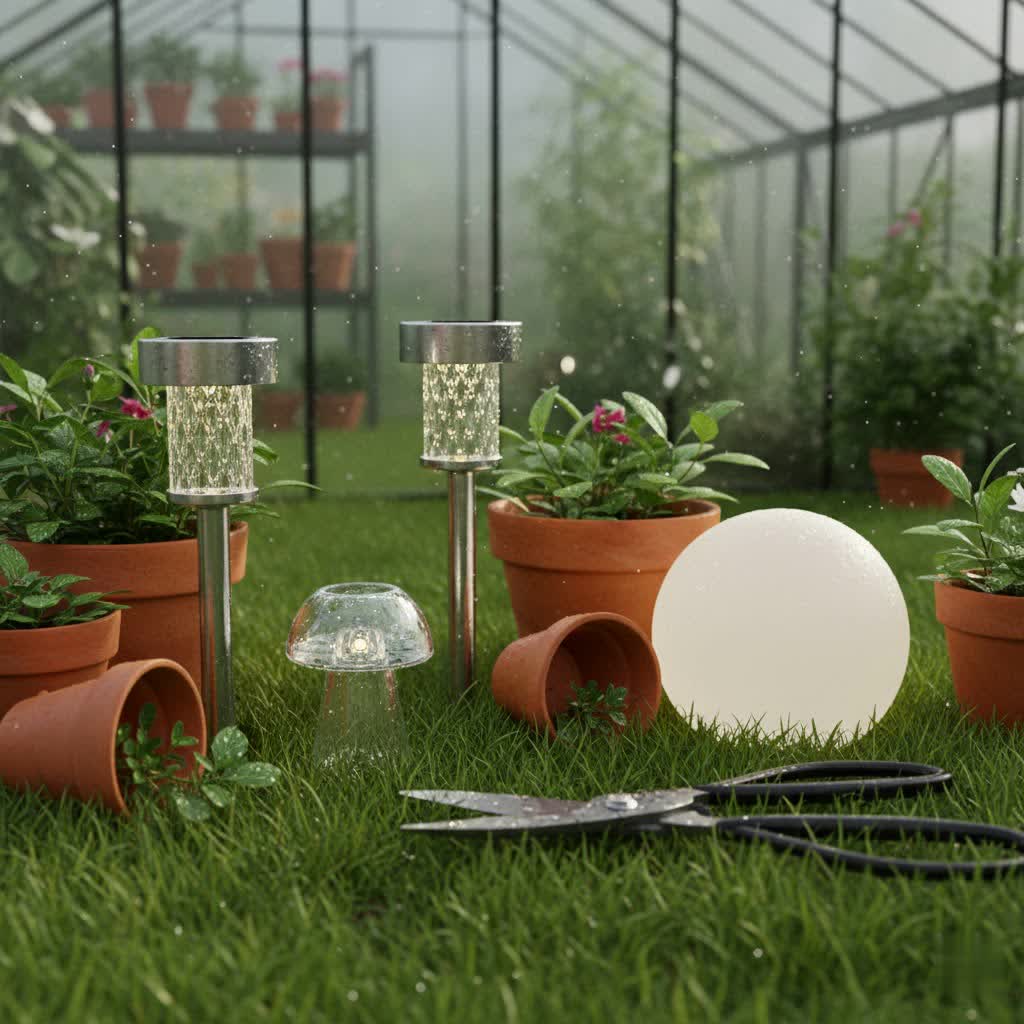
Solar spot lights are designed to direct a concentrated beam of light onto specific areas, making them ideal for highlighting architectural features, garden elements, pathways, or signage. Their self-contained nature, comprising a solar panel, battery, and LED light, eliminates the need for wiring, offering unparalleled flexibility in placement.
Popular Types of Solar Spot Lights
While the core principle remains the same, solar spot lights come in various forms to suit diverse applications:
- Standard Landscape Spot Lights: These are the most common type, typically featuring a ground stake for easy installation. They are perfect for illuminating trees, bushes, sculptures, or garden beds, adding depth and drama to your landscape.
- High-Output Solar Spot Lights: Designed with more powerful LEDs and larger solar panels/batteries, these provide greater brightness (often hundreds of lumens) suitable for larger features, security lighting, or commercial signage.
- Adjustable Solar Spot Lights: Many models offer adjustable light heads and/or solar panels, allowing you to precisely direct the light beam and optimize solar charging angles throughout the day. This flexibility ensures maximum illumination where it’s needed most.
- 2-in-1 Solar Spot Lights: These versatile lights often come with both a ground stake and a wall-mounting bracket, giving you the option to place them in the ground or attach them to walls, fences, or eaves for uplighting or security.
- Integrated Solar Spot Lights: Some designs feature the solar panel directly on the light fixture itself, creating a compact unit. Others have a separate, remote solar panel connected by a cable, which can be beneficial if the ideal charging spot is not where you need the light.
|
Our Picks for the Best Solar Lights in 2026
As an Amazon Associate I earn from qualifying purchases.
|
||
| Num | Product | Action |
|---|---|---|
| 1 | addlon 54(48+6) FT Solar String Lights Waterproof,Patio Lights Solar Powered with Remote & USB Port 15+1 LED Shatterproof Bulbs 3 Light Modes, Dimmable Solar Light for Camping Backyard Garden |

|
| 2 | LETMY Solar Pathway Lights Outdoor, 10 Pack Solar Lights Outdoor Waterproof, Auto On/Off Solar Powered Garden Landscape Path Lights, Outdoor Solar Lights for Yard Lawn Patio Walkway Driveway |
|
| 3 | Tuffenough Solar Outdoor Lights 2500LM 210 LED Security Lights with Remote Control,3 Heads Motion Sensor Lights, IP65 Waterproof,270° Wide Angle Flood Wall Lights with 3 Modes(2 Packs) |
|
| 4 | Solar Motion Lights Outdoor, Ultra Bright Solar Fence Lights with Motion Sensor, IP65 Waterproof Security Light 3 Modes, 270° Lighting Angle, Wall Lights for Deck Patio Fence Garage Door (6 Packs) |
|
| 5 | ALEPOD Solar Pathway Lights Outdoor - 8 Pack Solar Powered Garden Lights Waterproof IP65, Decor Landscape Lighting with Three Lighting Modes for Yard, Lawn, Walkway, Driveway, Warm White |
|
| 6 | NYMPHY Solar Lights Outdoor Waterproof IP68, 56 LED 3 Lighting Modes Solar Powered Garden Yard Spot Solar Lights for Outside Landscape- 4 Pack (Cool White) |
|
| 7 | Solar Lantern Outdoor Waterproof, Metal Butterfly, Hummingbirds, Dragonflies, Frogs, Turtles, Flowers, Mushrooms, Garden Decor for Yard, Patio, Lawn, Porch, Backyard, Gifts for Women |
|
| 8 | [6 Packs] Solar Motion Sensor Outdoor Lights, Super Bright Solar Lights Outdoor Waterproof, 3 Lighting Modes Security Wall Light for Outside Walking Dog Fence Backyard Deck Garden Door Step Garage |
|
| 9 | Aootek New Solar Motion Sensor Lights 120 LEDs with Lights Reflector,270° Wide Angle, IP65 Waterproof, Step Lights for Front Door, Yard, Garage, Deck (Black, Daylight White, 6-Pack) |
|
| 10 | Solar Fence Lights Outdoor - 2700/4000/6000K 3 Mode, Waterproof LED, Fence Light Solar Powered for Outside, Backyard/Railing/Step/Patio/Wall and Home Improvement(8 Pack) |
|
Each type offers distinct advantages, catering to different aesthetic goals and practical requirements for your outdoor lighting project.
Navigating the Market: Comparing Solar Spot Light Options
Choosing the right solar spot light often comes down to understanding the nuances between different product offerings, rather than just comparing brand names. Based on my experience, products can broadly be categorized into entry-level, mid-range, and premium, each with its own set of characteristics.
General Comparison of Product Tiers
When evaluating solar spot lights, consider these common distinctions across quality tiers:
- Entry-Level Options: These are typically the most affordable, often made from plastic, and designed for basic accent lighting. They usually offer lower lumen outputs (e.g., 30-60 lumens), shorter run times, and basic weather resistance (e.g., IP44 or IP55). While cost-effective, their longevity and performance in challenging conditions might be limited.
- Mid-Range Choices: Stepping up in quality, mid-range spot lights often incorporate more durable materials like ABS plastic or some aluminum components. They provide better brightness (e.g., 100-300 lumens), longer illumination durations, and improved weatherproofing (e.g., IP65). Features like adjustable heads and multiple lighting modes become more common in this category.
- Premium/High-End Solutions: These lights are built for superior performance and durability, often featuring robust cast aluminum construction, high-efficiency monocrystalline solar panels, and advanced lithium-ion batteries. They boast high lumen outputs (e.g., 300-600+ lumens), extended run times, excellent water and dust resistance (IP67 or IP68), and often come with longer warranties. These are investments designed for long-term reliability and significant impact.
Detailed Feature Comparison
To help visualize these differences, here’s a comparative table outlining typical features across these tiers:
| Feature | Entry-Level Solar Spot Light | Mid-Range Solar Spot Light | Premium Solar Spot Light |
|---|---|---|---|
| Brightness | 30-80 Lumens | 100-300 Lumens | 300-600+ Lumens |
| Run Time | 6-8 Hours | 8-12 Hours | 10-15+ Hours |
| Battery Type | NiMH or smaller Li-ion | Li-ion (18650/2200mAh) | Larger capacity Li-ion (e.g., 3000-5000mAh) |
| Water Resistance | IP44-IP55 | IP65 | IP67-IP68 |
| Construction | Plastic | ABS Plastic, some Aluminum | Cast Aluminum, Tempered Glass |
| Price Range (per light) | $10-$30 | $30-$70 | $70+ |
| Warranty | 6 months – 1 year | 1-2 years | 2-5+ years |
These comparisons are generalizations, but they provide a framework for understanding what to expect at various price points and quality levels.
Your Guide to Selecting the Perfect Solar Spot Light
Choosing the right solar spot light involves a few critical considerations. With a decade in this field, I’ve seen firsthand how understanding these factors can make all the difference in your satisfaction.
Key Factors to Consider
- Brightness (Lumens):
- Purpose: Determine what you want to illuminate. For subtle accent lighting of a small shrub, 50-100 lumens might suffice. For a larger tree, architectural feature, or security, aim for 200-600+ lumens.
- Impact: Higher lumens mean a brighter, more noticeable light, but also require more battery power and a more efficient solar panel.
- Illumination Time (Run Time):
- Battery Capacity: This indicates how long the light can stay on after a full day’s charge. Look for specifications detailing “up to X hours.”
- Location: In areas with less direct sunlight or during shorter winter days, the light might not fully charge, impacting its run time.
- Battery Quality and Lifespan:
- Type: Lithium-ion (Li-ion) batteries generally offer better performance, higher capacity, and longer lifespans (1-3 years or more) compared to Nickel-Metal Hydride (NiMH) batteries.
- Replaceability: Check if batteries are easily replaceable, extending the overall life of your fixture.
- Durability and Weather Resistance (IP Rating):
- IP Code: The Ingress Protection (IP) rating indicates how well a device is protected against solids (first digit) and liquids (second digit).
- IP65: Common for outdoor lights, protected against dust and low-pressure water jets from any direction.
- IP67/IP68: Ideal for extreme weather or ground-level placement where water submersion might occur; fully protected against dust and immersion.
- Material: Cast aluminum housings provide superior durability and heat dissipation compared to plastic.
- IP Code: The Ingress Protection (IP) rating indicates how well a device is protected against solids (first digit) and liquids (second digit).
- Adjustability:
- Light Head: A highly adjustable light head (e.g., 90° or 180° vertical tilt, 360° horizontal rotation) allows for precise aiming of the light beam.
- Solar Panel: If the solar panel is separate or independently adjustable, you can position it to receive optimal sunlight regardless of where the light fixture is aimed.
- Light Color Temperature (CCT):
- Warm White (2700K-3000K): Creates a cozy, inviting ambiance, similar to incandescent bulbs. Ideal for garden pathways or decorative features.
- Cool White/Daylight (5000K-6500K): Produces a brighter, more modern light, often preferred for security or highlighting contemporary architecture.
- Some premium lights offer selectable color temperatures.
- Installation Options:
- Decide if you need a ground stake for landscape accenting or a wall-mount for architectural lighting or security. Many offer both.
- Warranty: A longer warranty (2-5 years) often indicates a manufacturer’s confidence in their product’s quality and durability.
Calculating the Right Number of Lights
Estimating how many solar spot lights you need depends on the size of the area, the intensity of light desired, and the specific features you want to highlight. For instance, a single high-lumen spot light might illuminate a medium-sized tree, while a series of lower-lumen lights might be needed to define a long pathway or boundary. Consider sketching out your outdoor space and marking potential light locations to achieve your desired effect.
Maximizing Performance: Usage and Maintenance Tips
Even the most advanced solar spot lights benefit from proper installation and routine care. My decade of experience has taught me that a little attention goes a long way in extending their lifespan and ensuring consistent performance.
Optimal Installation and Usage
- Strategic Placement for Sunlight: This is paramount. Ensure the solar panel receives a minimum of 6-8 hours of direct, unfiltered sunlight daily. Obstructions like tree branches, eaves, or shadows from buildings can significantly reduce charging efficiency. When installing for the first time, allow the light to charge for at least one full sunny day before its initial use at night.
- Orient the Solar Panel: If your solar spot light has an adjustable panel, angle it towards the south (in the Northern Hemisphere) or north (in the Southern Hemisphere) for maximum sun exposure. Adjust it seasonally to account for the changing sun’s path.
- Direct the Light Beam: Use the adjustable light head to precisely aim the light. For trees, aim from the base upwards. For statues, position the light to cast interesting shadows and highlight textures.
- Avoid Competing Light Sources: Install solar spot lights away from other bright light sources (like streetlights or porch lights) that could trick their built-in sensors into thinking it’s still daytime, preventing them from turning on automatically.
Essential Maintenance for Longevity
- Clean Solar Panels Regularly: Dust, dirt, pollen, bird droppings, and snow can accumulate on the solar panel, reducing its ability to absorb sunlight. Wipe the panel clean with a damp cloth every few months, or more frequently in dusty environments.
- Check and Replace Batteries: Rechargeable batteries have a finite lifespan, typically 1-3 years depending on quality and usage. If your light’s run time significantly decreases, it’s often a sign that the battery needs replacement. Most solar spot lights use standard AA, AAA, or 18650 Li-ion rechargeable batteries, which are readily available.
- Inspect and Clean Fixtures: Periodically check the light fixture for any damage, corrosion, or debris buildup. Clean the LED lens to ensure maximum light output.
- Secure Mounting: Over time, ground stakes can loosen, or wall mounts can become wobbly. Ensure all mounting hardware is secure to prevent damage or misalignment.
Troubleshooting Common Issues
- Light Not Turning On:
- Insufficient Charge: Relocate the solar panel to a spot with more direct sunlight. Allow 1-2 full sunny days to charge.
- Dirty Panel: Clean the solar panel thoroughly.
- Battery Issue: Replace the rechargeable battery.
- Ambient Light Interference: Ensure there are no other light sources nearby that could confuse the dusk-to-dawn sensor.
- Light is Dim or Short-Lived:
- Partial Charge: Again, ensure maximum sun exposure and clean the panel.
- Aging Battery: Replace the battery.
- Seasonal Changes: Shorter daylight hours in winter naturally lead to reduced run times. This is normal.
The Undeniable Benefits of Embracing Solar Spot Lights
Beyond their aesthetic appeal, solar spot lights offer a host of practical and environmental advantages that make them a smart choice for any outdoor setting.
Financial Savings and Environmental Responsibility
- Zero Electricity Costs: This is perhaps the most compelling benefit. Since solar spot lights run entirely on harvested sunlight, they add nothing to your electricity bill, providing significant long-term savings.
- Reduced Carbon Footprint: By utilizing renewable solar energy, these lights help decrease reliance on fossil fuels, contributing to a cleaner environment and lowering your personal or business carbon footprint.
- Energy Independence: You’re not tied to the grid for your outdoor lighting, making them resilient during power outages.
Ease, Safety, and Aesthetics
- Effortless Installation: The wireless nature of solar spot lights means no complex wiring, trenching, or hiring an electrician. Most can be installed in minutes with simple ground stakes or screws.
- Enhanced Safety: Eliminating electrical wires buried in the ground or strung across surfaces removes tripping hazards and reduces the risk of electrical accidents, especially important in gardens or around water features.
- Increased Security: A well-lit exterior can deter intruders. Solar spot lights can be strategically placed to illuminate dark corners or entry points, acting as a passive security measure.
- Boosted Curb Appeal and Ambiance: Expertly placed spot lights can dramatically transform the look and feel of your outdoor space at night. They highlight attractive landscaping, architectural details, or decorative elements, creating a sophisticated and inviting atmosphere.
- Portability and Flexibility: Many solar spot lights are easy to move and re-position as your landscaping or lighting needs change, offering unmatched adaptability.
“Solar spot lights are more than just illumination; they’re an investment in both your property’s beauty and the planet’s health.” – Admin, Reviewtika.com, Solar Lighting Expert
Smart Buying Guide: Aligning Solar Spot Lights with Your Needs
Making an informed decision about solar spot lights requires a clear understanding of your budget and specific application needs. My extensive experience has taught me that the “best” light isn’t always the most expensive, but rather the one that perfectly matches your situation.
Budgeting for Solar Spot Lights
- Economy (Under $30 per light): This segment typically offers basic plastic lights with lower lumen output (30-80 lumens). They are suitable for small, subtle accents or testing out solar lighting. Pros: Very affordable, easy to replace. Cons: Less durable, shorter run times, limited brightness, often use NiMH batteries with shorter lifespans.
- Mid-Range ($30-$70 per light): These lights provide a good balance of performance, durability, and features. You’ll find better construction (ABS plastic with some aluminum), higher lumens (100-300), longer run times, and reliable IP65 weatherproofing. Pros: Good value, versatile, better performance, often Li-ion batteries. Cons: Not top-tier durability for extreme conditions.
- Premium ($70+ per light): Designed for maximum impact and longevity, these lights feature robust cast aluminum, high-efficiency solar panels, large-capacity Li-ion batteries, and impressive brightness (300-600+ lumens). Expect superior weatherproofing (IP67/IP68) and extended warranties. Pros: Exceptional durability, powerful illumination, long run times, advanced features, ideal for critical lighting or harsh environments. Cons: Higher upfront cost.
Matching Lights to Your Usage Needs
- Garden and Pathway Illumination: For soft ambiance and wayfinding, lower to mid-range lumens (50-200) are usually sufficient. Warm white light is often preferred for a natural, inviting glow. Ground-stake lights are perfect for lining paths or highlighting flower beds.
- Architectural and Feature Highlighting: To make your home’s facade, a significant tree, or a garden sculpture stand out, opt for mid to high-lumen spot lights (200-500+ lumens) with good adjustability. Cool white can emphasize modern architecture, while warm white suits natural landscapes.
- Security Lighting: For deterring intruders or illuminating dark areas for safety, high-output solar spot lights (300-600+ lumens) are essential. Look for models with reliable dusk-to-dawn sensors and robust construction to withstand the elements. Cool white light is often preferred for its clarity and alertness-inducing properties.
Identifying Trustworthy Products and Manufacturers
While brand names were intentionally generalized here, the criteria for a reliable product remain consistent:
- Clear Specifications: A reputable manufacturer will clearly list lumens, battery capacity, run time, IP rating, and material composition. Be wary of vague descriptions.
- Customer Reviews: Check for consistent positive feedback regarding durability, brightness, and customer service.
- Warranty: As mentioned, a solid warranty (2+ years) signals the manufacturer’s confidence in their product.
- Certifications: Look for quality and safety certifications if applicable, especially for commercial-grade products.
By considering these factors, you can confidently select solar spot lights that not only meet your needs but also exceed your expectations for performance and durability.
Conclusion
Solar spot lights represent an intelligent and stylish solution for all your outdoor illumination requirements. They offer the unparalleled advantages of energy efficiency, zero operating costs, and effortless installation, all while contributing to a greener planet. Whether your goal is to enhance the aesthetic appeal of your garden, highlight your home’s architectural beauty, or boost the security of your property, a well-chosen solar spot light can deliver exceptional results. Remember to consider factors such as brightness, run time, durability, and adjustability to ensure your selection perfectly aligns with your specific needs. With proper placement and minimal maintenance, these versatile lights will serve you faithfully for years to come. What features are most crucial for your ideal outdoor lighting setup?
Frequently Asked Questions
Do solar spot lights work on cloudy days?
Yes, solar spot lights can still charge on cloudy days, but at a reduced rate. Expect their brightness and run time to be diminished during extended periods of overcast weather compared to full sun exposure. This is a normal characteristic of solar-powered devices.
Are all solar spot lights waterproof?
Most solar spot lights designed for outdoor use are water-resistant. However, the degree of protection varies. Always check the IP (Ingress Protection) rating; an IP65 rating indicates protection against dust and water jets, while IP67 or IP68 ratings offer superior protection against dust and immersion, making them suitable for more exposed or ground-level installations.
How do solar spot lights differ from solar flood lights?
Solar spot lights emit a narrow, focused beam of light, ideal for accentuating specific features like trees, statues, or architectural details. Solar flood lights, conversely, cast a broad, wide beam, best suited for illuminating larger areas such as driveways, patios, or entire yards for general illumination or security purposes.
How long do solar spot lights typically last?
The lifespan of the fixture itself, especially those made with durable materials like cast aluminum, can range from 3 to 5 years or even longer. The internal rechargeable batteries, however, typically need replacement every 1 to 3 years, depending on their quality, usage, and climate conditions.
What lumen output do I need for my solar spot lights?
The ideal lumen output depends on the application. For subtle decorative accenting, 50-100 lumens might be enough. For highlighting larger landscape features or providing pathway illumination, 100-300 lumens are usually sufficient. For security lighting or illuminating large signs, consider higher outputs of 300-600+ lumens.
Why is my solar spot light not turning on at night?
Common reasons include insufficient sunlight exposure for charging, a dirty solar panel, a depleted or faulty rechargeable battery, or ambient light from another source (like a street light) tricking the light’s dusk-to-dawn sensor into thinking it’s still daytime. Ensure the panel is clean and receives direct sun, and check the battery.
