Stepping outside after dusk, do you ever wish for a warm, inviting glow that effortlessly transforms your lawn and garden? Solar lawn lights offer precisely that—a brilliant, eco-friendly solution to brighten your outdoor spaces without the hassle of wires or the burden of electricity bills. From enhancing curb appeal to increasing safety, these innovative lights harness the sun’s power to deliver reliable illumination night after night. If you’re looking to elevate your outdoor ambiance and embrace sustainable living, this comprehensive guide will walk you through everything you need to know about selecting, using, and maintaining the perfect solar lawn lights for your home.
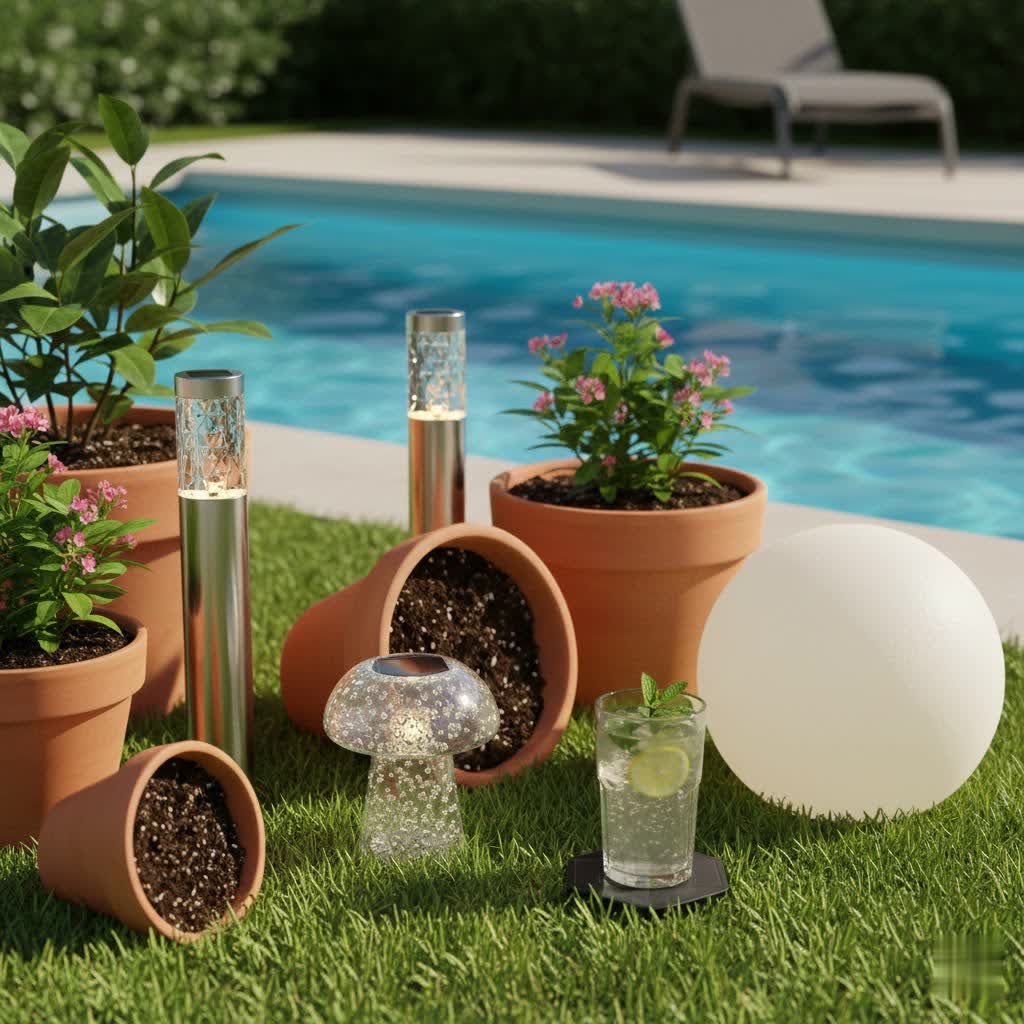
Types of Popular Solar Lawn Lights
Solar lawn lights come in a diverse array of styles and functionalities, each designed to meet specific outdoor lighting needs. Understanding the different types can help you choose the best fit for your landscape.
- Pathway Lights: These are typically stake-mounted lights designed to line walkways, driveways, and garden paths. They provide subtle guidance, enhancing safety and creating a welcoming glow. Pros: Easy to install, widely available, good for demarcation. Cons: Often lower lumen output, primarily for ambiance rather than strong illumination.
- Spotlights: Ideal for highlighting specific landscape features such as trees, statues, or architectural elements. They usually offer adjustable heads to direct light precisely where needed. Pros: Focused, bright illumination, accentuates features. Cons: Can be overly bright if not angled correctly, fewer lights needed for a given area might make them seem more expensive per unit.
- Floodlights: Designed to illuminate larger areas like entire lawns, patios, or entryways. Often equipped with motion sensors for security purposes. Pros: High brightness, excellent for security and large area lighting. Cons: Can be intense, may require careful placement to avoid glare.
- Decorative Lights (String Lights, Lanterns, Orbs): These lights prioritize aesthetics, adding a festive or whimsical touch to your garden. String lights drape across pergolas or bushes, while lanterns and orbs sit on surfaces or hang. Pros: Create ambiance, highly versatile for design. Cons: Generally lower light output, primarily for decoration.
- Post Lights & Cap Lights: Designed to sit atop fence posts, deck posts, or pillars, offering ambient light and enhancing the structure’s appearance. Pros: Integrated look, subtle and consistent lighting. Cons: Requires existing posts for installation, limited placement flexibility.
- In-ground Lights: Flush with the ground, these lights provide discreet illumination for pathways or to wash light up walls or features. Pros: Unobtrusive, durable, great for modern aesthetics. Cons: Can be harder to install, may accumulate debris.
Each type serves a distinct purpose, allowing you to customize your outdoor lighting scheme to perfection.
Comparing Solar Light Features Across Brands
When exploring solar lawn lights, it’s less about specific brand names and more about the quality of components and features offered across different product tiers. Reputable manufacturers focus on optimizing key performance indicators to deliver a superior user experience. Here’s a general comparison of what you might find in different quality segments.
| Feature | Budget-friendly Options | Mid-range Options | Premium Options |
|---|---|---|---|
| Brightness | Lower lumens (10-50 lm), often for accent | Moderate to good (50-200 lm), pathway/spotlight | High lumens (200-1000+ lm), security/floodlight |
| Runtime | 4-6 hours on full charge | 6-10 hours on full charge | 10-14+ hours on full charge, eco modes |
| Battery Life/Type | Ni-MH, smaller capacity, shorter lifespan | Larger Ni-MH or Li-ion, good lifespan | High-capacity LiFePO₄ or advanced Li-ion, longer life |
| Water Resistance | IP44 (splash-proof) | IP54-IP65 (rain/dust resistant) | IP66-IP68 (weatherproof, submersibility for some) |
| Materials | Plastic, thin metal | ABS plastic, stainless steel, cast aluminum | High-grade ABS, robust aluminum, tempered glass |
| Features | Basic auto on/off | Motion sensors, multiple light modes, adjustable heads | Smart controls (app), wireless sync, MPPT charging, RGBW |
| Warranty | 30-day to 6-month | 1-2 years | 2-5 years or more |
Higher-quality solar lights often feature monocrystalline solar panels for better efficiency, especially in lower light conditions, and more robust battery technologies like LiFePO₄, which offer superior longevity and charge cycles compared to traditional Ni-MH batteries.
How to Choose the Right Solar Lawn Lights
Selecting the ideal solar lawn lights involves considering several critical factors to ensure they meet your specific needs and perform optimally in your environment.
- Determine Your Purpose: First, clarify what you want the lights to achieve. Are you aiming for subtle decorative accents, clear pathway illumination, security lighting, or highlighting specific landscape features? The purpose dictates the type, brightness, and number of lights you’ll need.
- Brightness (Lumens): Lumens measure a light’s brightness. For subtle accent lighting, 10-50 lumens might suffice. Pathways often require 50-200 lumens for clear visibility, while security or floodlights can range from 300 to over 1000 lumens. Adjustable brightness settings offer greater versatility.
- Battery Capacity & Runtime: A larger battery capacity (measured in mAh) typically translates to longer illumination times. Look for lights that can provide sufficient light throughout the night, ideally 8-12 hours on a full charge. Advanced batteries like Lithium Iron Phosphate (LiFePO₄) offer better performance and longevity.
- Weather Resistance (IP Rating): Since these lights live outdoors, their ability to withstand the elements is crucial. The Ingress Protection (IP) rating indicates resistance to dust and water. An IP44 rating is generally splash-proof, suitable for light rain. For more robust protection against heavy rain, dust, and even temporary submersion, look for IP65, IP66, or IP67 ratings.
- Material Quality and Durability: The longevity of your solar lights depends heavily on their construction. High-grade ABS plastic, stainless steel, and cast aluminum are common durable materials that resist rust and harsh weather. Avoid flimsy plastics that can crack or fade quickly.
- Sunlight Exposure: Solar lights require adequate sunlight to charge their batteries. Observe your lawn throughout the day to identify spots that receive at least 6-8 hours of direct sunlight. If an area is consistently shaded, consider lights with a detached solar panel that can be placed in a sunnier location.
- Design and Aesthetics: Solar lights are also decorative elements. Choose styles, finishes, and light colors (warm white, cool white, RGB) that complement your home’s exterior and garden design.
- Additional Features: Some lights offer motion sensors for enhanced security, automatic dusk-to-dawn operation, multiple lighting modes, or even smart controls via an app for scheduling and color changes. Consider which features add genuine value for your specific use case.
Tips for Using and Maintaining Solar Lawn Lights
Maximizing the lifespan and performance of your solar lawn lights involves proper installation, regular upkeep, and a few smart usage practices.
Installation and Usage
|
Our Picks for the Best Solar Lights in 2026
As an Amazon Associate I earn from qualifying purchases.
|
||
| Num | Product | Action |
|---|---|---|
| 1 | addlon 54(48+6) FT Solar String Lights Waterproof,Patio Lights Solar Powered with Remote & USB Port 15+1 LED Shatterproof Bulbs 3 Light Modes, Dimmable Solar Light for Camping Backyard Garden |

|
| 2 | Solar Motion Lights Outdoor, Ultra Bright Solar Fence Lights with Motion Sensor, IP65 Waterproof Security Light 3 Modes, 270° Lighting Angle, Wall Lights for Deck Patio Fence Garage Door (6 Packs) |
|
| 3 | Tuffenough Solar Outdoor Lights 2500LM 210 LED Security Lights with Remote Control,3 Heads Motion Sensor Lights, IP65 Waterproof,270° Wide Angle Flood Wall Lights with 3 Modes(2 Packs) |
|
| 4 | ALEPOD Solar Pathway Lights Outdoor - 8 Pack Solar Powered Garden Lights Waterproof IP65, Decor Landscape Lighting with Three Lighting Modes for Yard, Lawn, Walkway, Driveway, Warm White |
|
| 5 | Solar Lantern Outdoor Waterproof, Metal Butterfly, Hummingbirds, Dragonflies, Frogs, Turtles, Flowers, Mushrooms, Garden Decor for Yard, Patio, Lawn, Porch, Backyard, Gifts for Women |
|
| 6 | NYMPHY Solar Lights Outdoor Waterproof IP68, 56 LED 3 Lighting Modes Solar Powered Garden Yard Spot Solar Lights for Outside Landscape- 4 Pack (Cool White) |
|
| 7 | Aootek New Solar Motion Sensor Lights 120 LEDs with Lights Reflector,270° Wide Angle, IP65 Waterproof, Step Lights for Front Door, Yard, Garage, Deck (Black, Daylight White, 6-Pack) |
|
| 8 | Solar Fence Lights Outdoor - 2700/4000/6000K 3 Mode, Waterproof LED, Fence Light Solar Powered for Outside, Backyard/Railing/Step/Patio/Wall and Home Improvement(8 Pack) |
|
| 9 | [6 Packs] Solar Motion Sensor Outdoor Lights, Super Bright Solar Lights Outdoor Waterproof, 3 Lighting Modes Security Wall Light for Outside Walking Dog Fence Backyard Deck Garden Door Step Garage |
|
| 10 | LETMY Solar Pathway Lights Outdoor, 10 Pack Solar Lights Outdoor Waterproof, Auto On/Off Solar Powered Garden Landscape Path Lights, Outdoor Solar Lights for Yard Lawn Patio Walkway Driveway |
|
- Optimal Placement: Position solar panels in areas receiving maximum direct sunlight throughout the day. Avoid placing them under trees, overhangs, or in shadows that could impede charging. For lights with integrated panels, ensure the entire unit is in a sunny spot. For those with remote panels, place the panel optimally and run the wire discreetly to the light fixture.
- Initial Charge: Before first use, it’s often recommended to let your solar lights charge for 1-2 full days in direct sunlight with the “OFF” switch, if available. This ensures the battery is fully topped up for optimal performance.
- Automatic Operation: Most solar lights feature a dusk-to-dawn sensor, automatically turning on when it gets dark and off at sunrise. Ensure the sensor isn’t obstructed.
Maintenance and Care
Solar lights are generally low-maintenance, but a little care goes a long way in extending their life.
- Clean Solar Panels Regularly: Dust, dirt, pollen, leaves, and other debris can accumulate on the solar panel, significantly reducing its charging efficiency. Gently wipe the solar panels with a soft, damp cloth and mild soapy water once a month or as needed. Avoid abrasive cleaners or brushes that could scratch the panel.
- Clear Obstructions: Periodically check for branches, overgrown plants, or other objects that might be shading the solar panel. Trim foliage as necessary to ensure unobstructed sunlight exposure.
- Inspect for Damage: Routinely check the lights for any physical damage, such as cracks in the casing or loose components. Address minor issues promptly to prevent further damage.
- Battery Replacement: Solar light batteries typically last 1-3 years, though high-quality ones can last longer. If your light’s runtime significantly decreases, it’s likely time to replace the rechargeable battery. Most use standard AA or AAA Ni-MH/Li-ion batteries and are user-replaceable. Follow the manufacturer’s instructions for battery type and replacement.
- Winterization (Optional): In areas with harsh winters, heavy snow, or prolonged periods of low sunlight, consider bringing your solar lights indoors. This protects them from extreme weather and extends their overall lifespan. Clean them thoroughly before storage.
- Troubleshooting: If a light isn’t working, first ensure the switch is “ON,” then check the solar panel for cleanliness and obstructions. If still not working, replace the battery.
“A well-maintained solar light isn’t just a convenience; it’s a testament to sustainable living, providing reliable light while respecting our planet.” – A. Gardener, Landscape Lighting Specialist
The Undeniable Benefits of Using Solar Lawn Lights
The appeal of solar lawn lights extends far beyond mere convenience, offering a multitude of advantages for both homeowners and the environment.
- Cost Savings: Perhaps the most obvious benefit is the elimination of electricity bills for outdoor lighting. Solar lights harness free energy from the sun, meaning zero operating costs once installed. This translates to significant long-term savings compared to traditional wired lighting.
- Environmental Friendliness: Solar energy is a clean, renewable resource. By using solar lawn lights, you reduce your reliance on fossil fuels, thereby lowering your carbon footprint and contributing to a greener planet. They produce no greenhouse gas emissions during operation and often reduce light pollution compared to more powerful, widespread traditional lighting.
- Easy Installation: Forget about trenching, wiring, and electrical contractors. Most solar lawn lights are incredibly easy to install, often requiring nothing more than staking them into the ground or mounting them with a few screws. This DIY-friendly setup saves time and labor costs.
- Flexible Placement: Without the constraints of power outlets and wiring, you have unparalleled freedom to place solar lights exactly where you need them. Illuminate remote corners of your yard, accent garden beds, or define pathways without any electrical limitations.
- Enhanced Safety and Security: Well-lit pathways prevent trips and falls, while bright spotlights with motion sensors can deter intruders. Solar lights provide consistent illumination, even during power outages, adding a layer of security and peace of mind.
- Aesthetic Appeal: Beyond functionality, solar lawn lights add undeniable beauty to your landscape. They create a captivating ambiance, highlight architectural features, and transform your outdoor space into an inviting oasis after dark.
Buying Guide: Matching Solar Lights to Your Needs
When investing in solar lawn lights, aligning your budget and specific usage needs with the right product category is key.
Budget Expectations:
- Entry-level (Under $30 per light): Expect basic functionality, often smaller batteries, and plastic construction. Ideal for temporary decorative accents or very subtle pathway markers. Durability may be limited, and light output will be modest.
- Mid-range ($30-$80 per light): This segment offers a good balance of performance and durability. You’ll find better materials like stainless steel or ABS plastic, longer runtimes, and more features like motion sensors or multiple light modes. Suitable for reliable pathway lighting and general garden illumination.
- Premium ($80+ per light): These lights boast superior build quality (cast aluminum, tempered glass), advanced battery technology (LiFePO₄), higher lumen output, and smart features (app control, enhanced weather resistance). Best for security, powerful accent lighting, or homeowners seeking long-lasting, high-performance solutions.
Niche Usage Needs:
- For Garden Illumination: Consider decorative lanterns, stake lights, or low-lumen spotlights to highlight flowerbeds and shrubs. Look for warm white light for a cozy feel.
- For Pathway Lighting: Pathway lights with moderate lumens (50-150 lm) are essential. Ensure they provide enough light to clearly define the path without being blinding. Spacing them correctly is crucial for even illumination.
- For Exterior Decoration: String lights, fairy lights, or color-changing spotlights can create a festive or enchanting atmosphere for entertaining or special occasions.
- For Security: Motion-sensor floodlights or bright spotlights (300+ lumens) placed near entryways, garages, or dark corners are highly effective.
Choosing Reputable Brands:
Look for brands that openly share specifications like lumens, battery type and capacity, and IP rating. Read user reviews focusing on real-world performance, durability, and customer service. A longer warranty is often a good indicator of manufacturer confidence in their product’s quality. Prioritize lights with high-efficiency solar panels and robust weather resistance for longevity.
Conclusion
Solar lawn lights offer a compelling blend of sustainability, cost-effectiveness, and aesthetic enhancement for any outdoor space. By understanding the diverse types available, comparing essential features, and applying simple maintenance practices, you can confidently select lighting solutions that transform your lawn into a beautifully illuminated and inviting haven. Embrace the power of the sun to create an outdoor environment that is not only visually stunning but also environmentally responsible.
Are you ready to experience the effortless brilliance that solar lawn lights can bring to your home?
Frequently Asked Questions
How long do solar lawn lights typically last?
The lifespan of solar lawn lights varies. The LED bulbs themselves can last for tens of thousands of hours, often 10+ years. However, the rechargeable batteries typically need replacement every 1 to 3 years, and the outer casing’s durability depends on its material quality and exposure to elements, ranging from a few years for budget plastic models to 5-10+ years for premium, robustly constructed units.
Can solar lawn lights work on cloudy days or in winter?
Yes, solar lawn lights can still charge on cloudy days, but less efficiently than in direct sunlight. Their performance and runtime will be reduced. In winter, with shorter daylight hours and lower sun intensity, expect shorter illumination times. For optimal performance in challenging conditions, choose lights with high-efficiency solar panels and larger battery capacities.
What is an “IP rating” and why is it important for solar lights?
The IP (Ingress Protection) rating indicates a light’s resistance to solids (like dust) and liquids (like water). The first digit refers to solid particle protection (0-6), and the second to liquid ingress (0-8). For outdoor solar lights, an IP44 rating offers basic splash resistance, while IP65, IP66, or IP67 ratings signify strong protection against dust, rain, and even temporary submersion, ensuring durability in various weather conditions.
